

The government emphasizes the budget as a proactive instrument to stimulate long-term, sustainable growth
Morocco’s lower house adopts 2026 finance bill
The budget dedicates 140 billion dirhams to healthcare and education, including expanding health services and creating 8,000 new medical jobs.
Saturday 15/11/2025
The government emphasizes the budget as a proactive instrument to stimulate long-term, sustainable growth
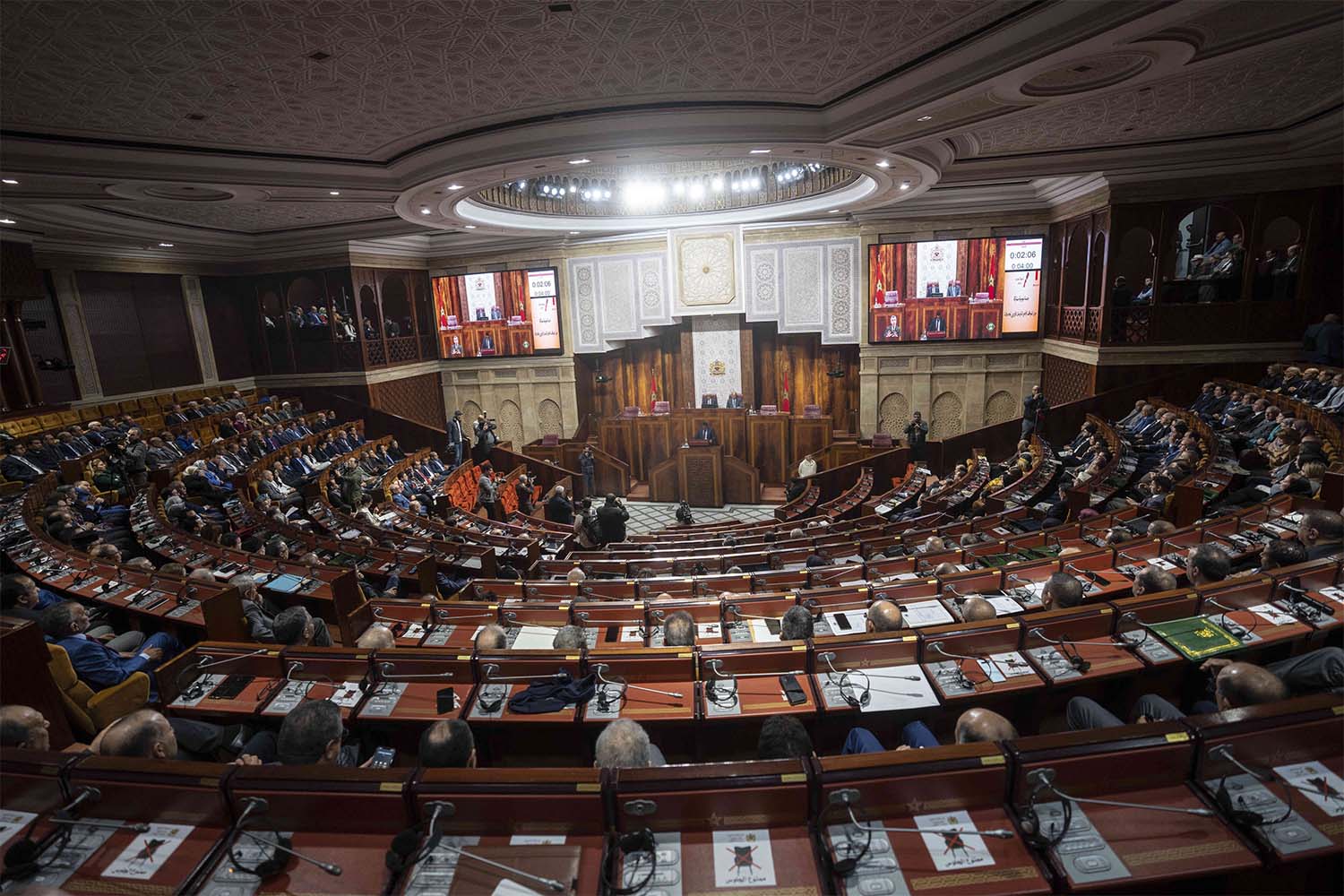
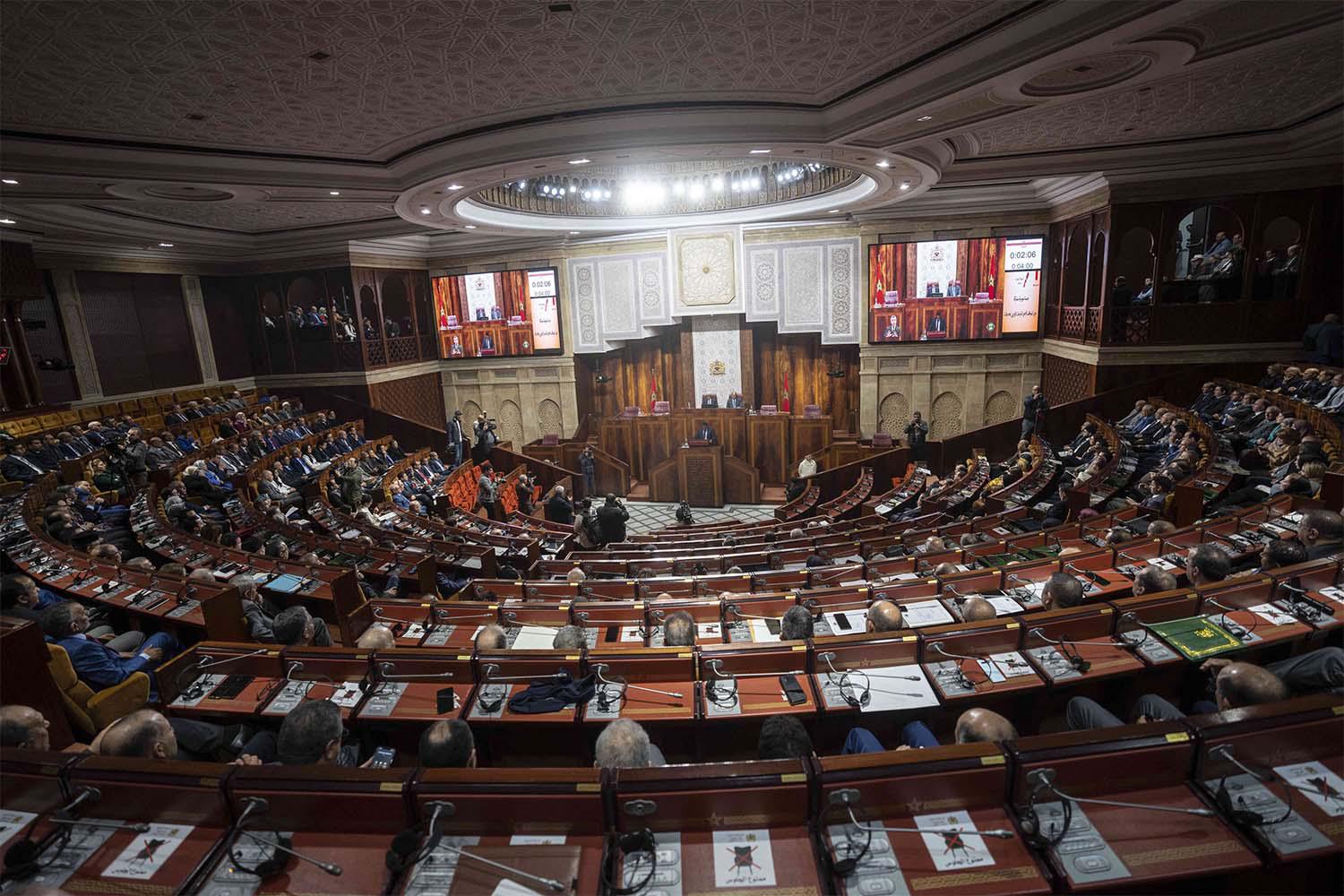
RABAT - Morocco's House of Representatives adopted Friday by majority vote the draft finance bill No 50.25 for the 2026 fiscal year.
The bill was approved by 165 representatives, opposed by 55 with no abstentions, through a similar process to the previous adoption of the Finance Bill's 2nd part by the House.
The number of amendments to the bill received by the Finance and Economic Development Committee amounted to 350 amendments, including 328 amendments for the first part and 22 amendments for the second part.
The 2026 Finance Bill outlines a strategic framework for economic growth, social justice, and structural reform, aligned with the High Royal Guidelines and the new development model of the Kingdom. The bill focuses on four main priorities: boosting development, balancing economic progress with social and spatial justice, solidifying the social State, and preserving public financial stability.
A key thrust of the finance bill is promoting sustained investment to strengthen Morocco’s global industrial competitiveness and economic resilience. The bill prioritizes reducing social and spatial disparities through initiatives that promote employment, enhance basic social services like health and education, and adopt sustainable water resource management. It supports integrated territorial development to bridge gaps across regions.
The budget dedicates 140 billion dirhams (approximately USD 13.4 billion) to healthcare and education, including expanding health services and creating 8,000 new medical jobs. There is also significant funding for new hospitals and schools to improve access and quality in basic social infrastructure.
Public investment is a major focus, with an unprecedented funding level of about 380 billion dirhams (USD 38 billion), representing over 25% of GDP. This includes investments distributed among public institutions, companies, and government departments to drive the structural transformation of the economy and enhance competitiveness.
The finance bill also highlights reforms designed to modernize fiscal governance, including targeted VAT reforms to simplify tax compliance and support investment. Efforts to combat fraud, improve corporate restructuring, and increase control over hydrocarbons are also part of the tax priorities.
From a macroeconomic perspective, Morocco projects a 4.5% growth rate with inflation kept below 2%, maintaining a stable pricing environment. The government emphasizes the budget as a proactive instrument to stimulate long-term, sustainable growth and diversification of wealth sources, rather than merely reacting to crises.
The bill has seen substantial parliamentary scrutiny and amendments, reflecting a broad consensus on the direction for Morocco's economic future. It marks a critical pivot in implementing the Kingdom’s vision for inclusive development, economic resilience, and social equity in 2026 and beyond.