

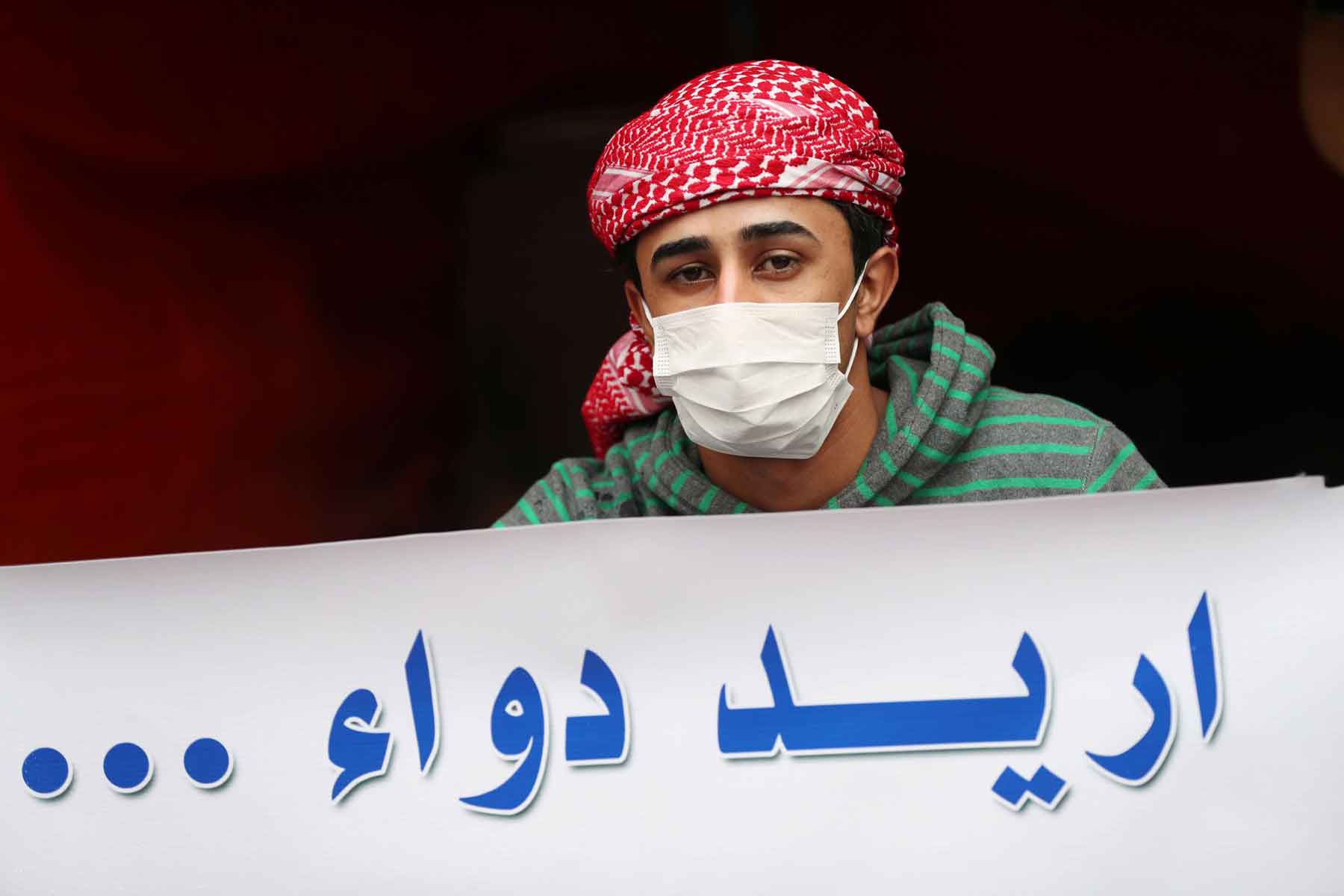
The government must ensure availability and affordability
Patients brace for impact as Iraq revises customs tariffs on medicines
Ahmed al-Moussawi, who runs a pharmacy in Baghdad’s Al-Bayaa district, said medicine prices had risen by between 15 and 25 percent in recent weeks.
Friday 09/01/2026
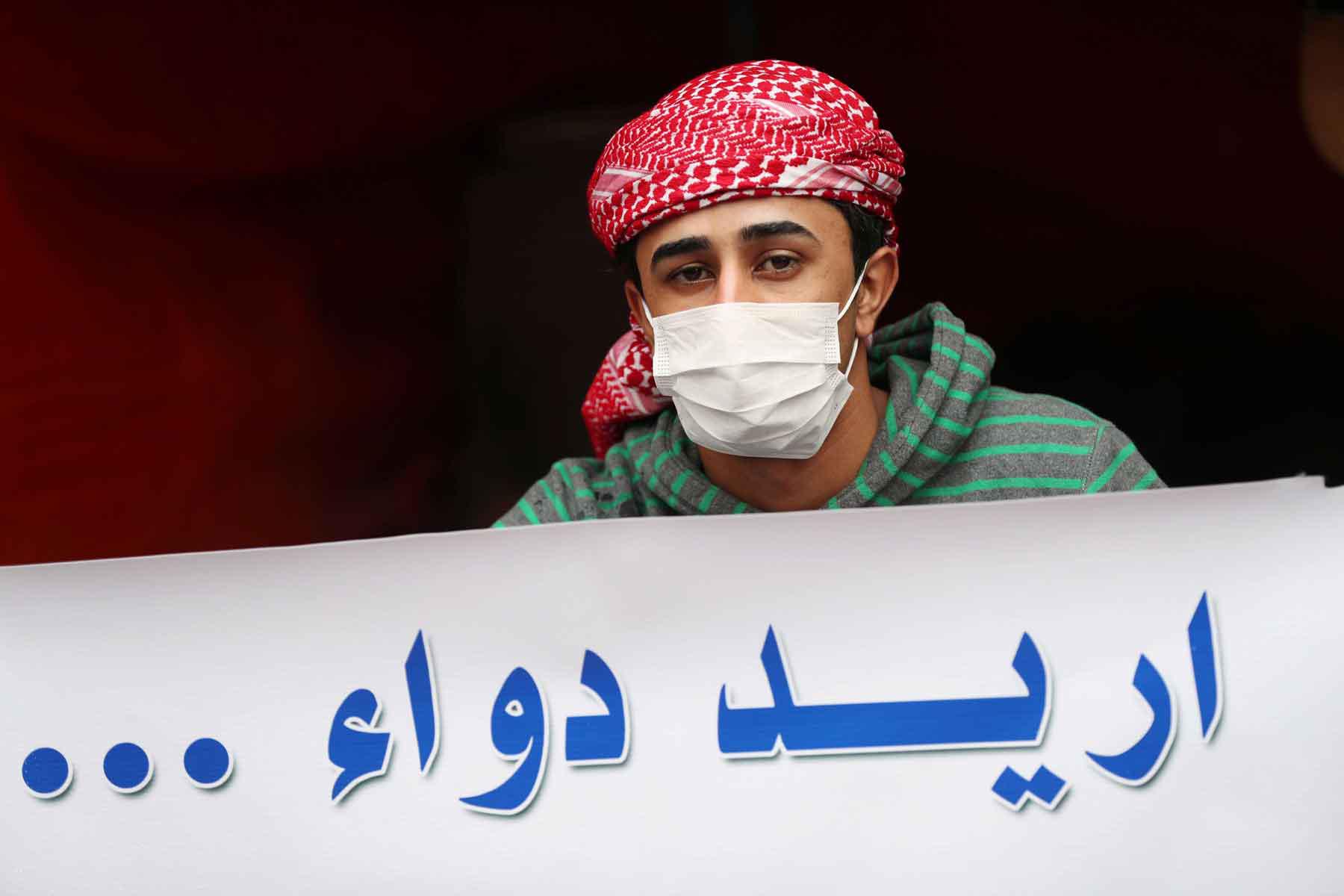
The government must ensure availability and affordability
BAGHDAD –
Anxiety is spreading among Iraqis following a government decision to raise customs tariffs on medicines and medical supplies, amid warnings from pharmacists and economists that the move could drive up prices, disrupt supply chains and deepen the suffering of patients, particularly those with chronic illnesses.
While the Iraqi government insists the increase does not exceed 1%, the Iraqi Pharmacists’ Syndicate says the real impact on the market is already being felt, with price rises and shortages threatening what it describes as the country’s “drug security.”
Iraq's General Customs Authority announced in recent days that it had begun implementing a pre-customs declaration system for all goods and merchandise, alongside the application of new customs tariffs on selected items. It also confirmed the abolition of the flat-rate container system at ports, replacing it with item-based customs assessments.
The authority acknowledged a 1% increase in customs tariffs on medical supplies, stressing that reports suggesting a tenfold rise in tariffs on medicines were the result of an “unintentional typographical error.” However, the controversy intensified as discussions began around the introduction of new tariff schedules from the start of 2026, prompting the Pharmacists’ Syndicate to sound the alarm over potential repercussions for the stability of the pharmaceutical market and the national pricing system.
Many Iraqis have reacted with anger to rising medicine prices in a country rich in natural resources but struggling to plug fiscal deficits, particularly as the cost of numerous consumer goods has also increased. Activists argue that expanding taxation is tightening the noose around citizens’ livelihoods and pushing markets towards stagnation.
The Pharmacists’ Syndicate warned that the new decision would place heavy financial burdens on patients and their families, while economic specialists cautioned that such government measures often translate directly into higher costs for ordinary citizens. The syndicate said the tariff hike would directly affect the official pricing mechanism for medicines, disrupt supply chains and reduce availability, compounding pressures on households already struggling to cope.
Usama Hadi, spokesman for the syndicate, said pharmacists were hoping that, if the controversial wording in the decision was indeed a typographical error, an official correction or addendum would be issued swiftly to end the prevailing uncertainty. He warned that formally fixing a tenfold tariff increase would inevitably lead to sharp rises in medicine prices, leaving Iraqi citizens as the primary victims of the policy.
Hadi noted that such an increase would severely undermine Iraq’s national drug pricing project, pointing out that medicines remain among the few commodities subject to government price controls overseen by the health ministry through its public clinics department, with consideration given to the purchasing power of low-income groups.
Beyond official statements, pharmacists on the ground say the impact already exceeds the government’s stated 1%. Ahmed al-Moussawi, who runs a pharmacy in Baghdad’s Al-Bayaa district, said medicine prices had risen by between 15 and 25 percent in recent weeks.
He attributed the increases to shortages and the dominance of certain companies over supply chains, developments that have hit patients directly, especially those with chronic illnesses and limited incomes, and contributed to instability in the pharmaceutical market.
Ali Karim Idhaib, an economic researcher, warned of “serious consequences” if the government continues to impose escalating taxes on citizens, particularly in a vital sector such as healthcare. He said such measures threaten health and social security, widen the gap between incomes and living costs, and come at a time when there has been no tangible improvement in public services.
Idhaib urged the government to pursue genuine fiscal reform centred on combating waste and corruption and strengthening sound economic planning, rather than shifting the burden of the budget deficit onto citizens.
For patients, the issue has become a daily source of anxiety. Rising medicine prices have weighed heavily on Iraqis in general and those with chronic conditions in particular. One patient told local outlet Shafaq News that he suffers from illnesses requiring continuous treatment. “I could barely afford my medication before,” he said. “Now I feel an even heavier burden because prices have gone up across the board.”
“Every time I enter a pharmacy, I ask about the price with fear,” he added. “Sometimes I have to delay buying some medicines or look for lower-quality alternatives, simply because my income is no longer enough.” He stressed that this reality affects thousands of families, especially the elderly and low-income households.
Appealing directly to the authorities, he said: “I hope citizens’ circumstances will be viewed with compassion, and that any taxes imposed on medicines will be reconsidered, because medicine is not a luxury; it is a basic necessity that cannot be dispensed with.”