


Practical tools to engage with individuals influenced by extremist ideology
Saudi Arabia joins thought-based fight against Sahel extremism
The programme reflects a broader Saudi-led coalition strategy that emphasises combining intellectual, media and security approaches to combat extremism.
Monday 22/12/2025
Practical tools to engage with individuals influenced by extremist ideology
NIAMEY –
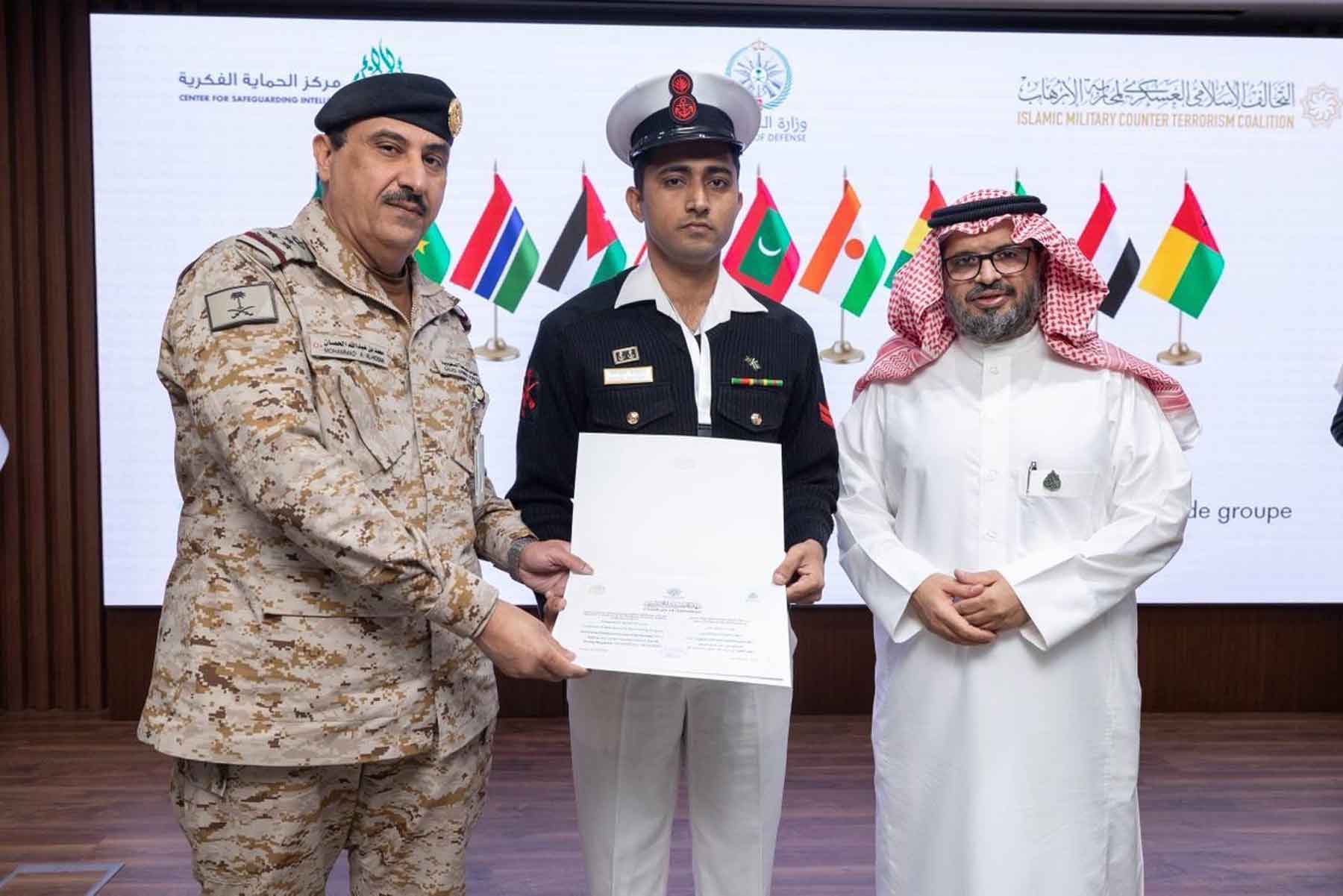
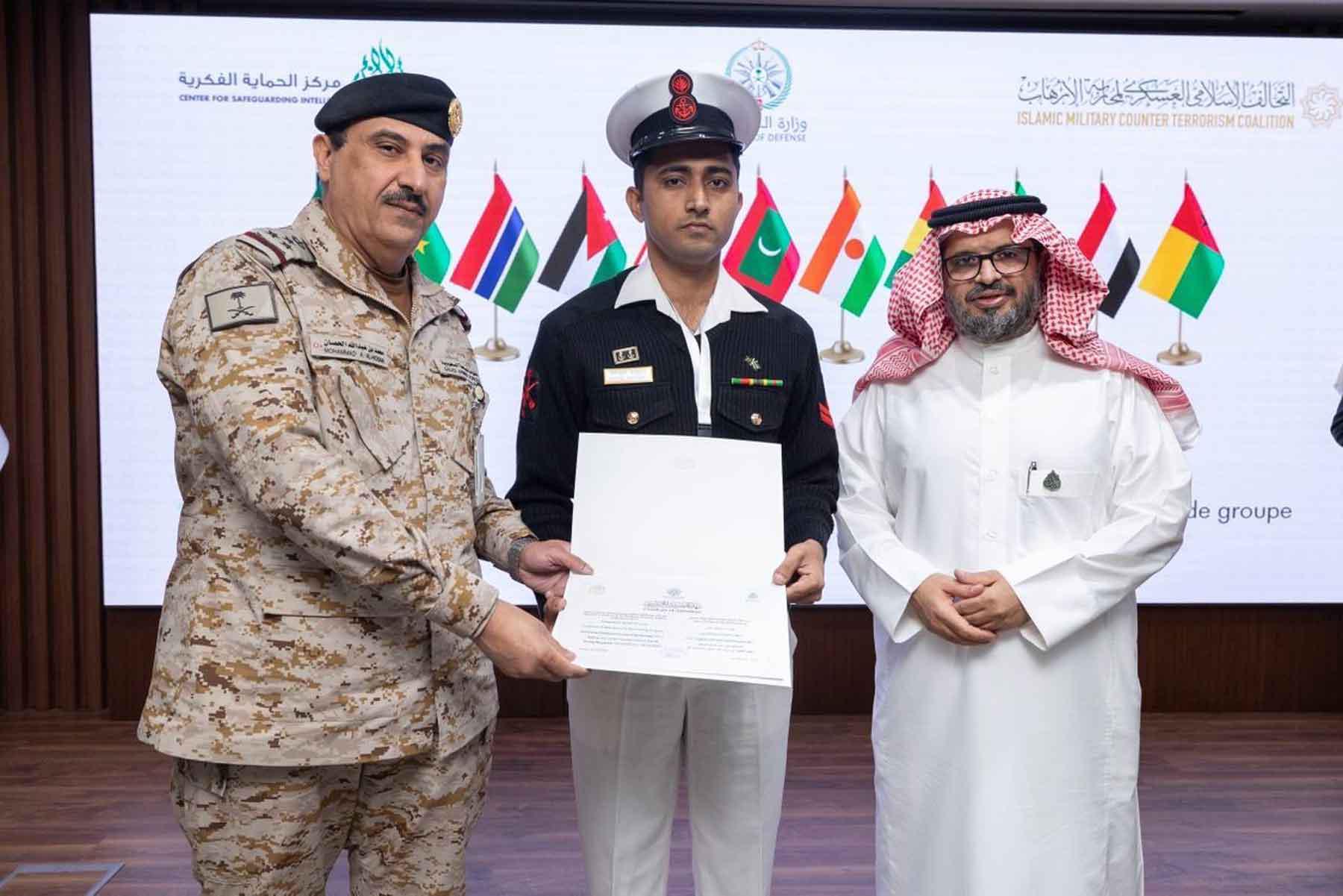
Saudi Arabia’s leadership of the Islamic Military Counter Terrorism Coalition (IMCTC) was on display on Saturday as Niamey hosted the conclusion of a specialised training programme for professionals working in centres for the integration and rehabilitation of extremists.
The five-day programme, attended by 29 specialists from relevant sectors, focused on methodologies for reintegration, dismantling extremist narratives and sharing professional expertise. Officials said it was designed to equip local practitioners with practical tools to engage with individuals influenced by extremist ideology, addressing ideological, psychological and social factors.
The programme reflects a broader Saudi-led coalition strategy that emphasises combining intellectual, media and security approaches to combat extremism.
The Sahel region, including Niger, is considered one of the most vulnerable areas globally to violent extremism due to fragile institutions, economic and social challenges and porous borders. Saudi officials view support for the region as an investment in both regional and international security, rather than a temporary or tactical measure.
The programme was conducted under the oversight of the coalition’s director of intellectual affairs and Nigerien defence officials, underscoring integration with official security structures. It follows earlier initiatives by the coalition in Niamey, including media-focused training to counter extremist propaganda.
Saudi Arabia has highlighted the importance of localising knowledge and adapting strategies to cultural and social contexts, rather than imposing externally-designed solutions. Participants praised the practical nature of the training, noting the need for capacity-building initiatives in Sahel countries.
The coalition’s initiatives also carry political significance, strengthening Saudi Arabia’s role as a leader in joint Islamic counterterrorism efforts and enhancing the coalition’s credibility as a framework arising from member states’ collective will.
Analysts note, however, that the long-term effectiveness of such programmes depends on sustained support, adequate resources and their linkage to broader developmental policies that address marginalisation, poverty and unemployment, factors that can fuel radicalisation.
The Niamey programme represents a step in an ongoing Saudi-led effort to develop an integrated model for combating extremism in the Sahel, combining security measures with intellectual engagement and community-focused strategies.