

Political instrument?
Iran cuts gas to Iraq, turning power crisis into political leverage
For Iraq, the loss of nearly 4,500 megawatts represents more than just a technical challenge.
Tuesday 23/12/2025
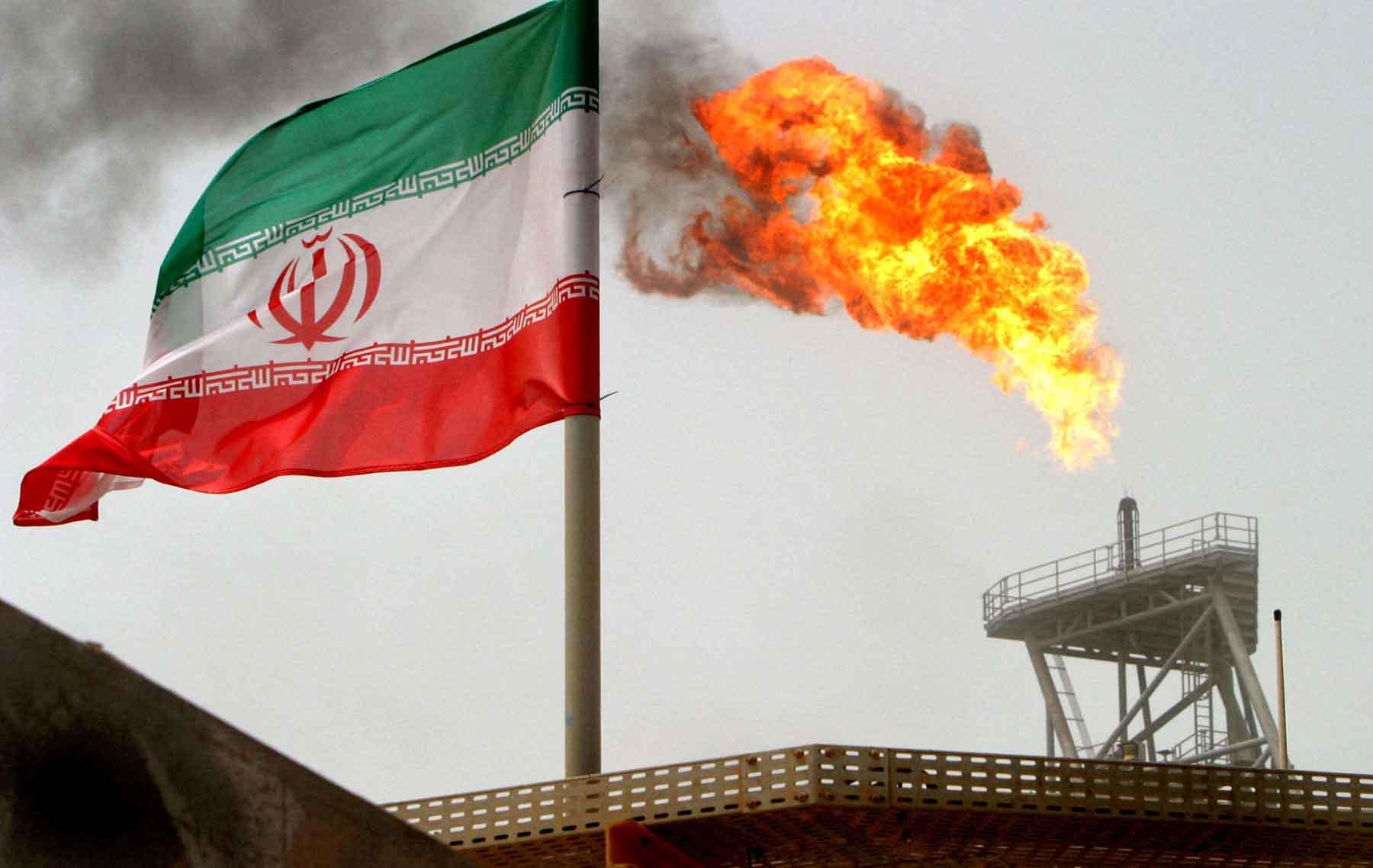
Political instrument?
TEHRAN –
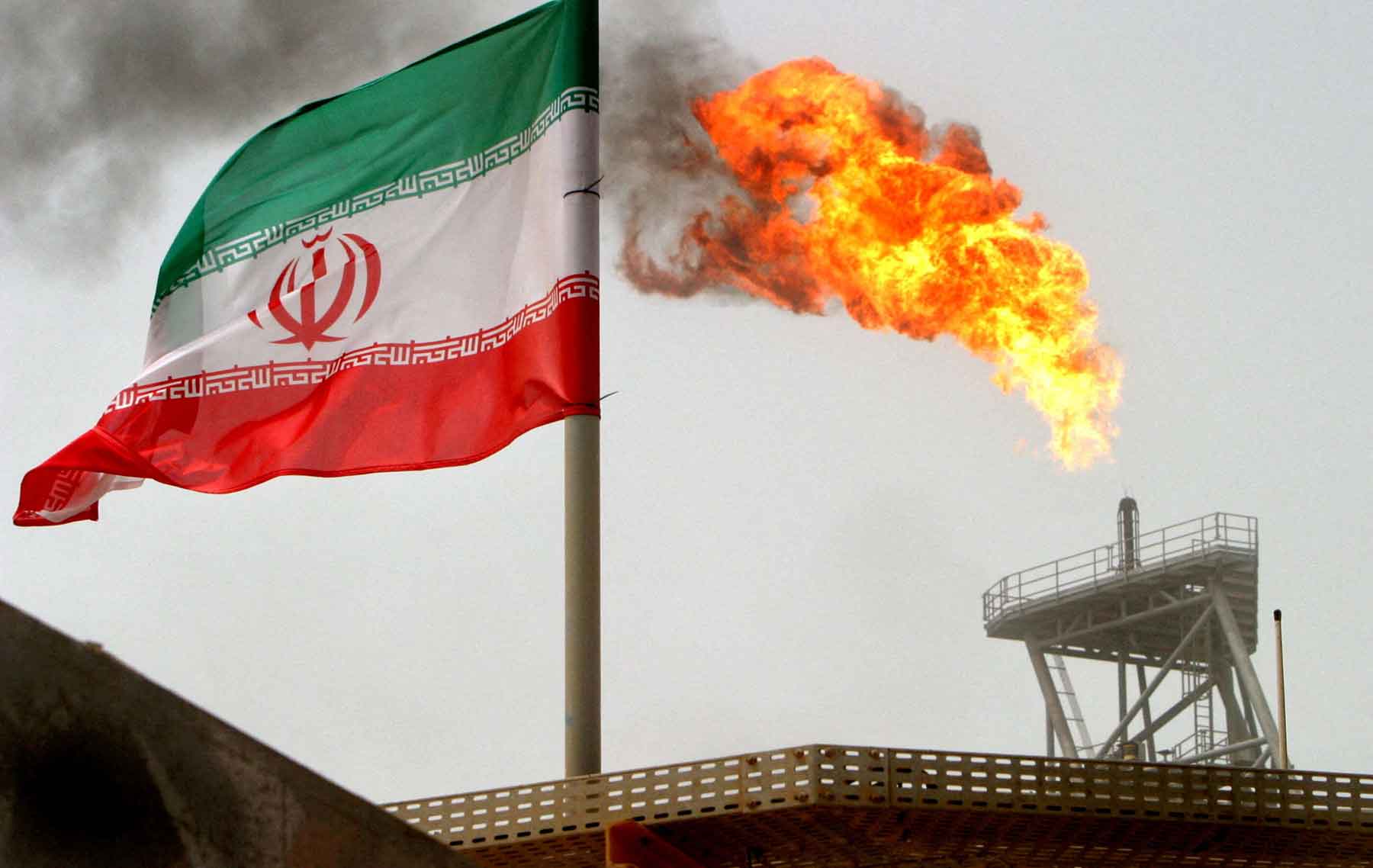
Iraq is grappling with a major energy shock after Iranian gas supplies, which account for up to 40 percent of the country’s power needs, were completely halted on Tuesday, the Iraqi Ministry of Electricity confirmed. The stoppage has immediately cut 4,000 to 4,500 megawatts from Iraq’s electricity grid, leaving millions of citizens, particularly in central and southern regions, facing prolonged blackouts.
“The Iranian side sent a telegram informing the Ministry of Electricity of the complete cessation of gas supplies due to unforeseen circumstances,” an official statement said. The disruption stems from the shutdown of some power generation units and load shedding at others, exacerbating Iraq’s chronic electricity deficit.
For Iraq, the loss of nearly 4,500 megawatts represents more than just a technical challenge. Iran, which supplies roughly 50 million cubic metres of gas per day, has long been the backbone of Iraq’s power system, covering around a third of the country’s daily energy needs, sufficient to generate roughly 6,000 megawatts.
The timing of the interruption carries significant geopolitical undertones. In March 2025, the US administration rescinded a waiver that allowed Iraq to pay Iran for electricity despite sanctions, as part of the “maximum pressure” campaign on Tehran. Iran’s insistence on payments in hard currency, combined with US restrictions limiting Iraq’s ability to pay, has created logistical bottlenecks that Baghdad cannot easily circumvent.
Experts note that the move serves multiple purposes for Tehran: exerting pressure on Washington through Iraq, signalling the limits of Iraq’s independence in energy matters, and using power shortages to embarrass the Iraqi government domestically. It also sends a warning that any Iraqi initiatives to diversify energy sources, such as regional electricity connections with Gulf states or Jordan, or domestic investment in associated gas – cannot immediately substitute for Iranian gas.
Iraq now faces two possible scenarios: a temporary agreement to resume partial gas deliveries, possibly in exchange for goods or services, or a protracted disruption used by Tehran as leverage in broader political and financial negotiations. Either outcome underscores Iraq’s over-reliance on a single energy supplier and highlights the urgency of diversifying the country’s power sources and strengthening regional energy integration.
Analysts warn that repeated use of energy as a political instrument could accelerate Iraq’s push for regional electricity connections and alternative gas investments, but these are long-term solutions that cannot immediately offset the current crisis. Meanwhile, millions of Iraqis are left confronting hours-long power outages, a stark reminder that in this case, geopolitics directly impacts everyday life.