

Seeking to reassure the nation
Aoun signals hope for peace, champions diplomacy to protect Lebanon
Despite presidential optimism, Hezbollah’s armed presence remains a key obstacle to sustainable peace.
Thursday 25/12/2025
Seeking to reassure the nation
BEIRUT –
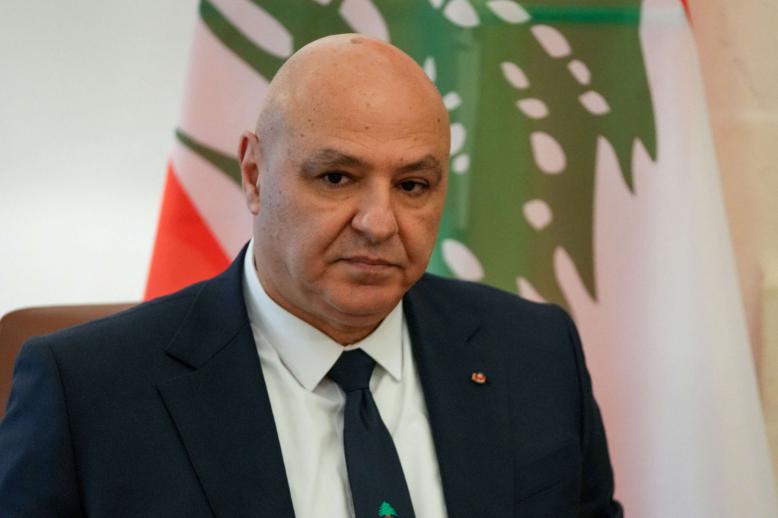
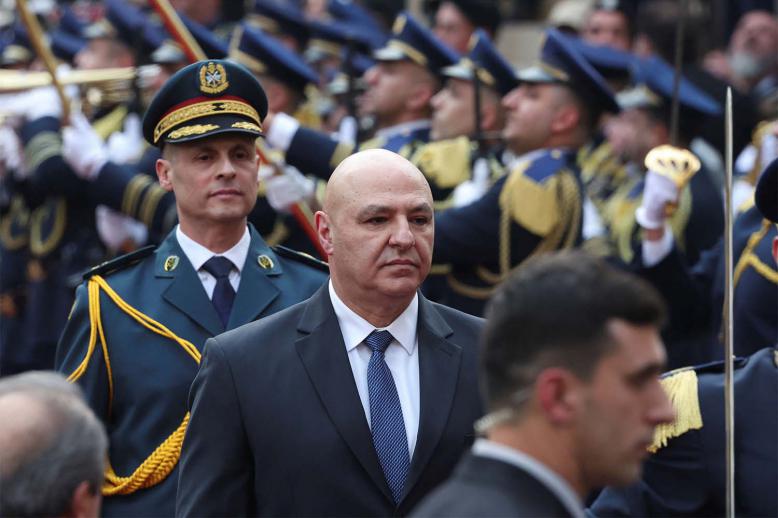
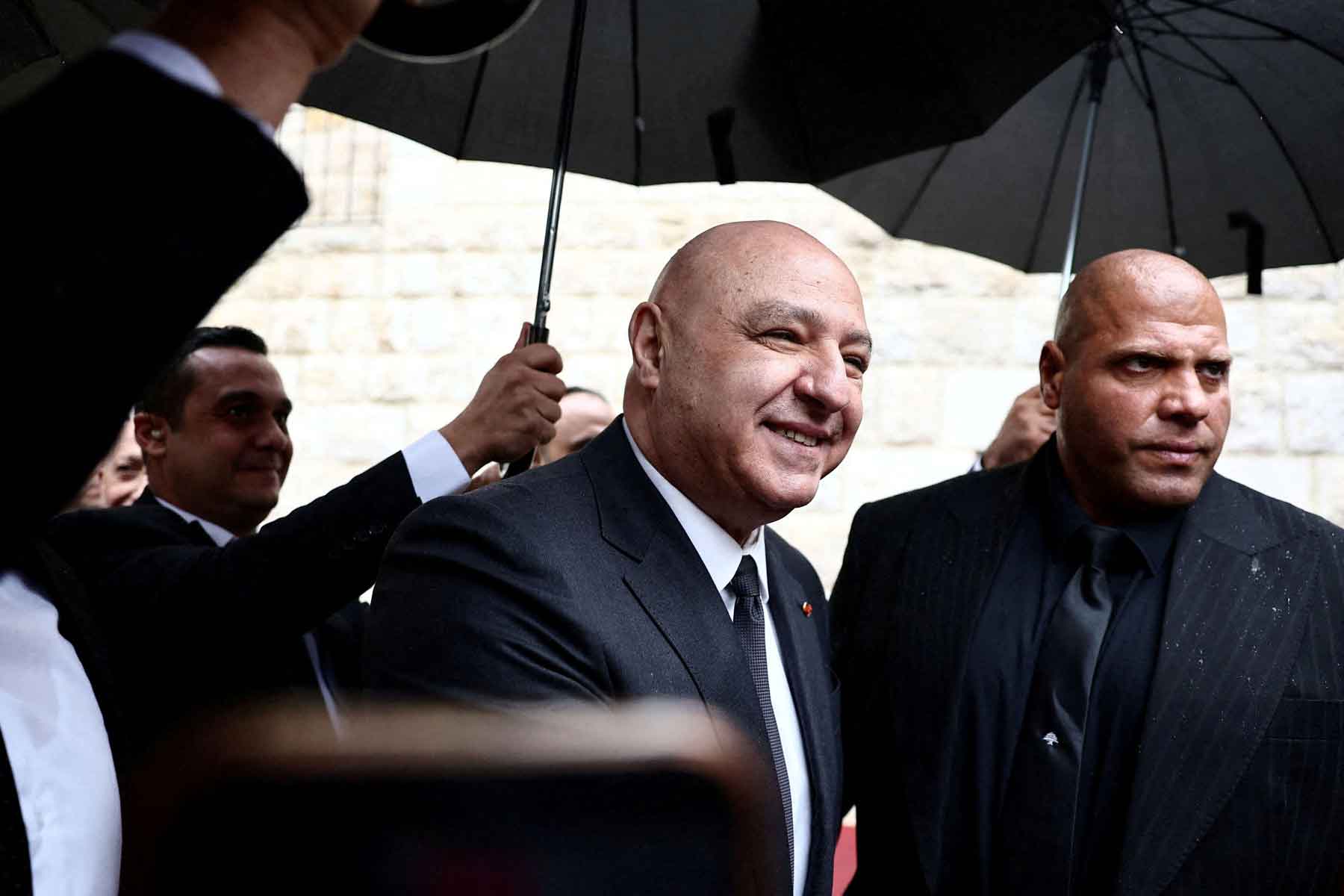
Lebanese President Michel Aoun sought to reassure the nation on Thursday, emphasising that diplomacy remains the preferred path to avoid a return to conflict, while acknowledging the delicate task of persuading Hezbollah to place national interest above armed posturing.
Speaking from the patriarchal seat in Bkerke after meeting Maronite Patriarch Bechara Boutros al-Rai, Aoun said Lebanon must avoid scenarios that could reignite tensions along the southern border. “Things are heading towards positive conclusions,” he said, signalling the existence of behind-the-scenes understandings beyond a mere temporary truce.
The president framed diplomacy as Lebanon’s main shield against renewed violence, aiming to convert the fragile ceasefire into lasting stability that would lay the groundwork for reconstruction and national recovery.
Aoun also looked to the future, expressing hope for the “birth of a new Lebanon” next year, reflecting a desire for enduring peace and societal progress. Yet he acknowledged the continued challenges posed by daily Israeli violations in the south, describing the area as a “bleeding wound” despite the ceasefire in place since November 2024. His remarks implicitly called on the international community to enforce the ceasefire mechanism more effectively.
Earlier this month, Lebanon held its first direct civilian-level talks with Israel since 1983. The sessions, chaired by former ambassador to Washington Simon Karam, were part of the UN-backed mechanism tasked with monitoring the ceasefire. The panel includes representatives from Lebanon, France, Israel, the United States and UNIFIL peacekeepers.
Despite presidential optimism, Hezbollah’s armed presence remains a key obstacle to sustainable peace. The Shia group insists its arsenal is a “deterrent” against potential Israeli aggression, while international actors and Israel argue that a parallel military structure undermines UN Security Council Resolution 1701 and Lebanon’s army authority in the south.
The Lebanese state seeks to strengthen the army’s role as the sole security force in the south, but Hezbollah maintains that border arrangements do not equate to disarmament. Its weaponry remains tied to broader regional calculations, linking decisions on war and peace to power balances between Tehran and Western actors, rather than purely Lebanese national interest.