

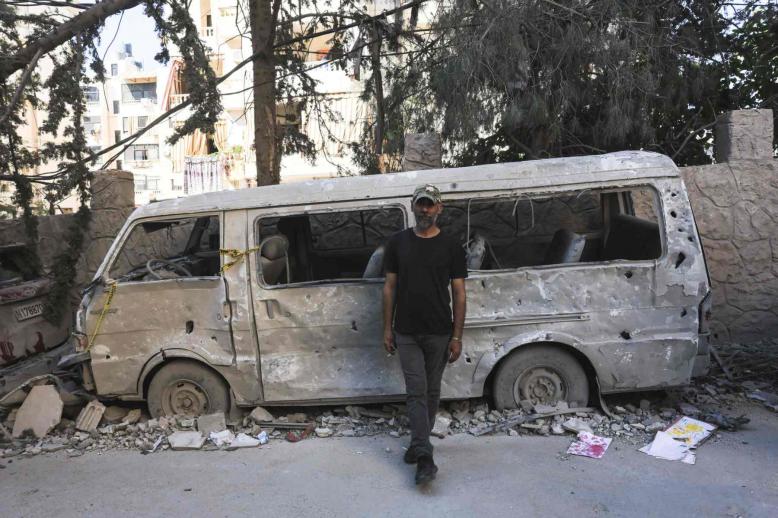
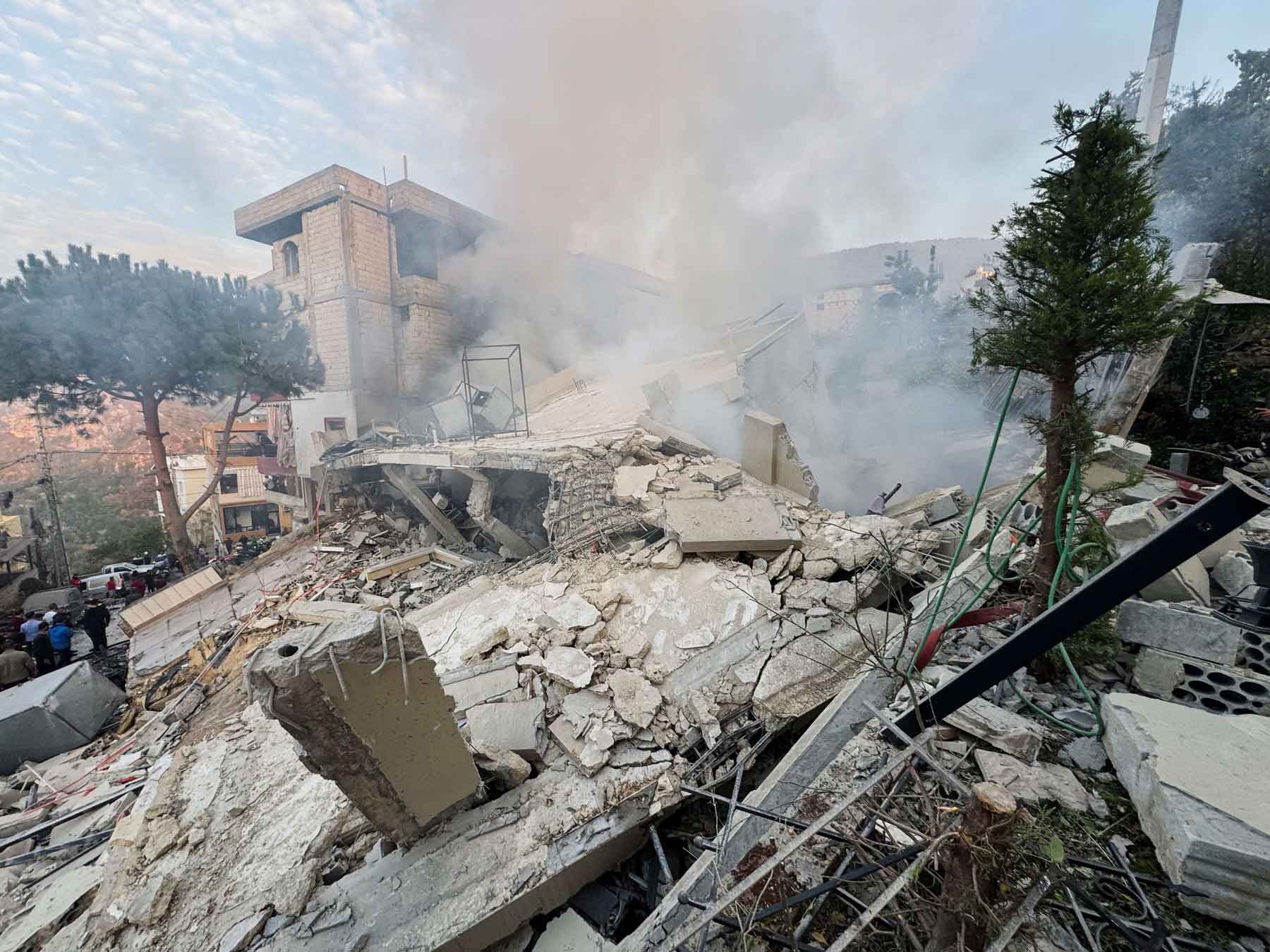
People inspect a damaged site after Israel’s military said it struck targets in two southern Lebanese towns, December 4, 2025.
Israel cites Quds Force threat in fresh strikes on Hezbollah in Lebanon
Israel warned that it would “remove any threat posed to the state of Israel” and said the strikes were necessary to prevent potential attacks by Hezbollah.
Friday 26/12/2025
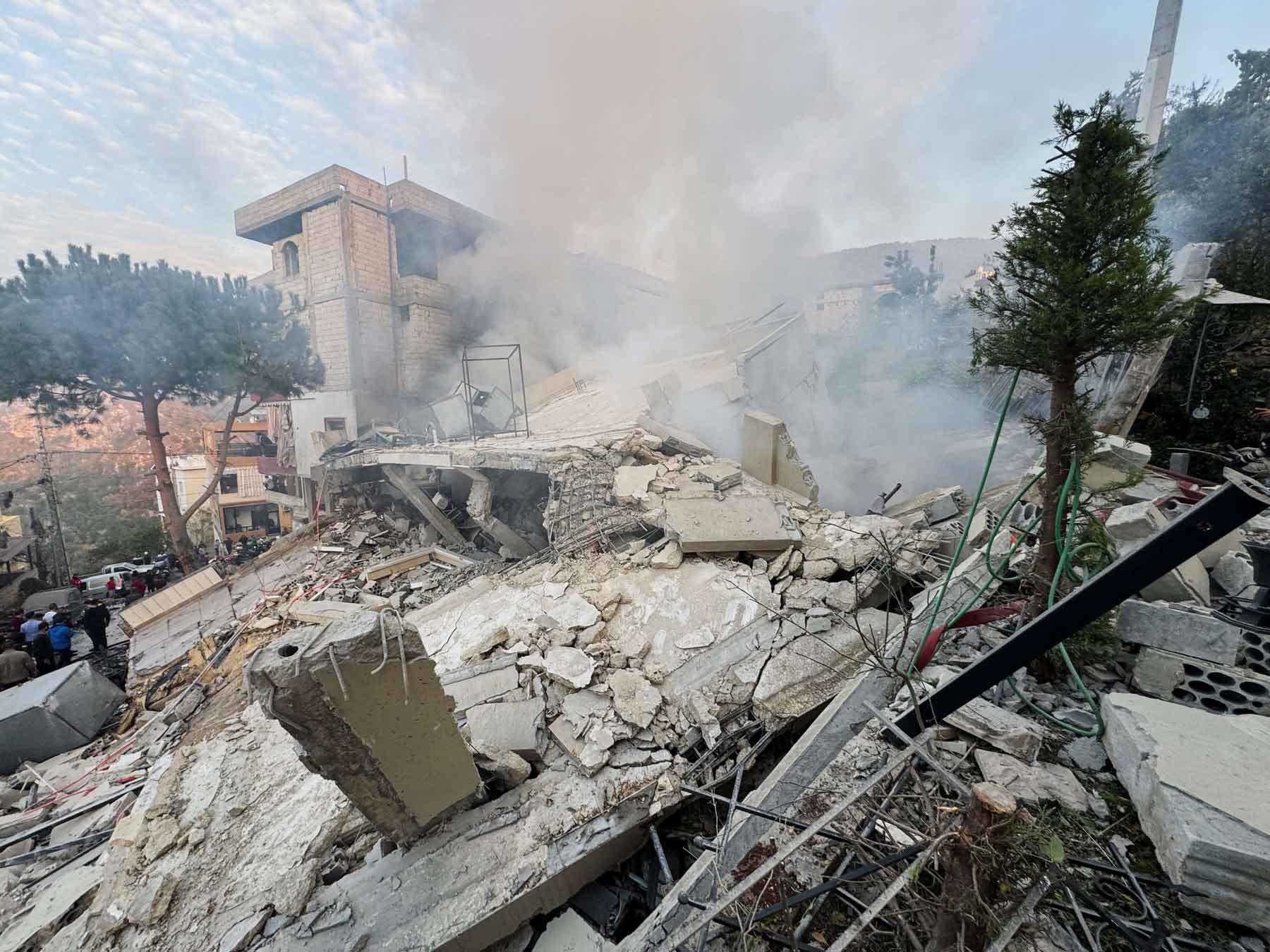
People inspect a damaged site after Israel’s military said it struck targets in two southern Lebanese towns, December 4, 2025.
JERUSALEM / BEIRUT –
The Israeli military launched a series of airstrikes across southern and eastern Lebanon on Friday, citing the killing of a member of Iran’s elite Quds Force as justification for continued operations against Hezbollah, raising fears of renewed escalation despite a 2024 ceasefire.
The strikes targeted weapons depots, training complexes and other infrastructure used by the Iran-backed Lebanese group, according to an Israeli military statement. “A number of weapons storage facilities and terrorist infrastructure sites were struck, which were used by Hezbollah to advance terror attacks against the state of Israel,” the statement said.
The operation came a day after Israel reported the assassination of Hussein Mahmoud Marshad al-Jawhari, described as a key operative in the IRGC’s Quds Force unit 840, who had been involved in planning attacks from Syria and Lebanon. Israel framed his killing as a preventative measure against threats directed by Iran, its long-standing regional adversary.
Lebanon’s National News Agency reported that Israeli aircraft carried out strikes in mountainous areas in the southern districts of Nabatiyeh and Jezzine, as well as the eastern Hermel district. The attacks mark the latest in a near-daily Israeli campaign in Lebanon following the brief war with Iran in June and the ceasefire brokered by the United States in November 2024.
Despite the ceasefire, which was meant to curb hostilities and mandate Hezbollah’s disarmament in southern Lebanon, Israel has continued operations, citing fears that the group is rearming. Lebanese authorities have committed to disarming Hezbollah in areas south of the Litani River, about 30 kilometres from the Israeli border, with completion scheduled by year’s end.
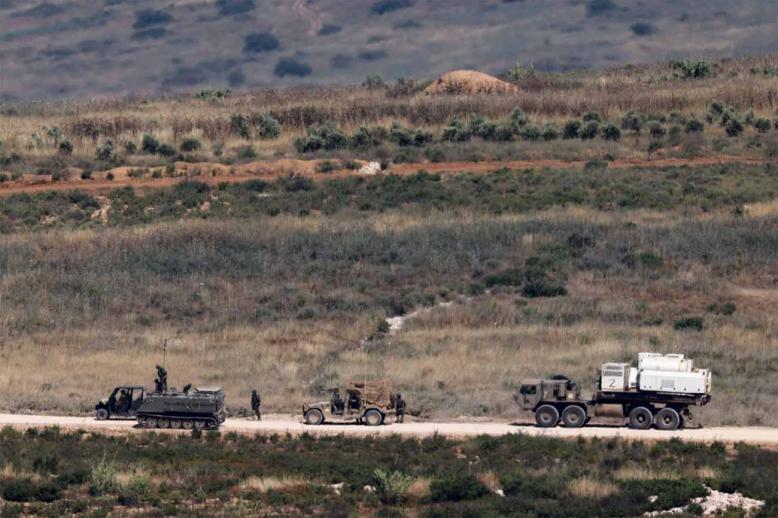
More than 340 people have reportedly been killed by Israeli fire in Lebanon since the ceasefire, according to Lebanese health ministry tallies. The latest strikes come amid ongoing concern that the ceasefire remains fragile, particularly as Israel maintains troops in five strategic areas and continues to monitor what it calls Iranian-backed activity in the region.
Israel warned that it would “remove any threat posed to the state of Israel” and said the strikes were necessary to prevent potential attacks by Hezbollah. The Lebanese army’s ability to enforce the ceasefire and curb Hezbollah’s influence has been questioned by Israel, while Hezbollah has rejected calls to surrender its weapons, citing the group’s role as a deterrent against Israeli aggression.
There was no immediate comment from Iran or Lebanon regarding the recent airstrikes or the assassination of the Quds Force operative. Analysts note that Israel’s framing of the Quds Force threat provides a justification for continued military action in Lebanon, keeping pressure on both Hezbollah and the Lebanese state while the broader region remains tense.
The operations underscore the fragility of the US-backed ceasefire and highlight the ongoing risk of escalation along the Israel-Lebanon border, where political, military, and regional tensions intersect.