

Deeper integration into complex global value chains
Morocco boosts role as auto hub with Citroën C4 production at Kenitra
Morocco’s rise as an automotive hub has been supported by the presence of more than 250 international suppliers
Saturday 27/12/2025
Deeper integration into complex global value chains
RABAT –
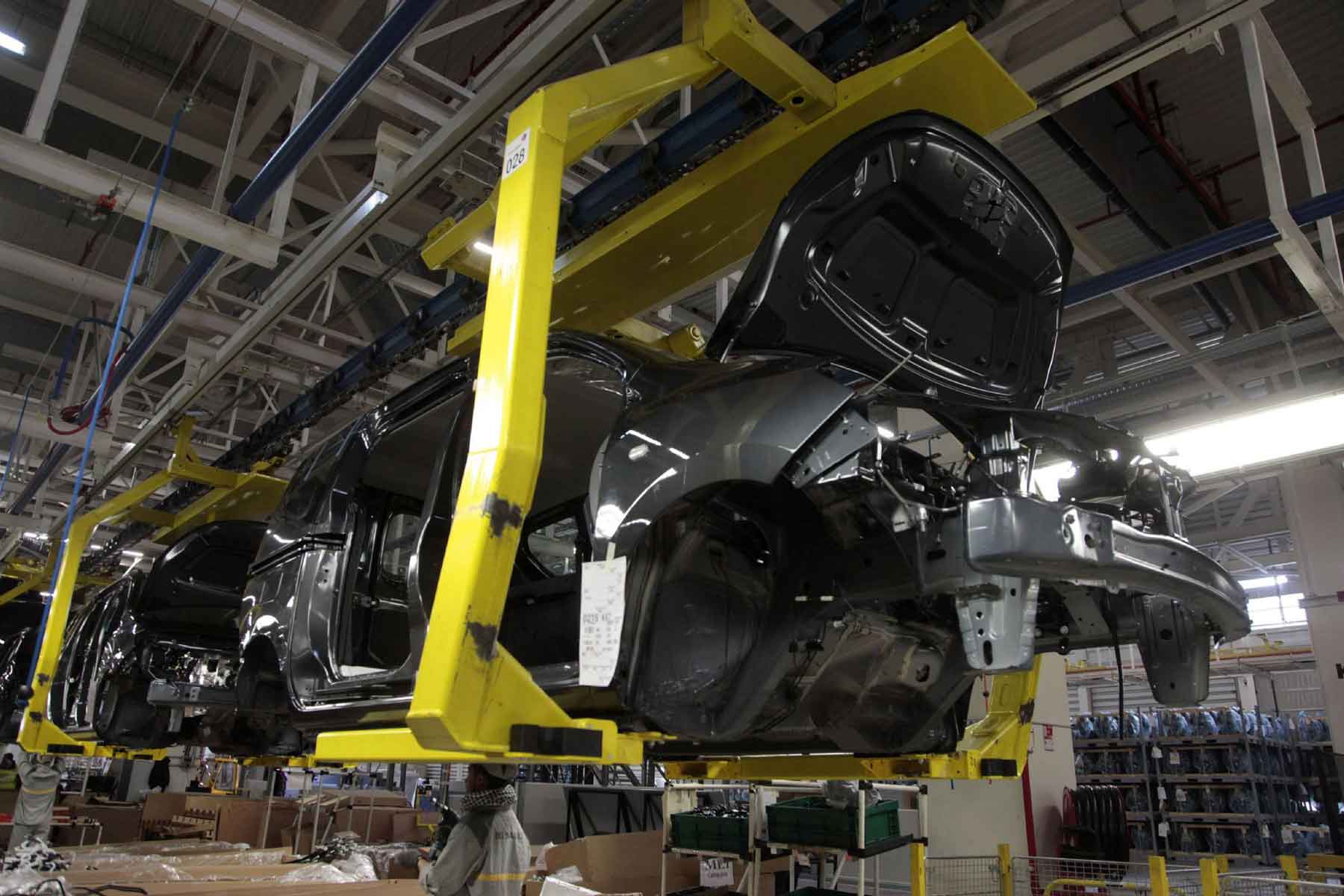
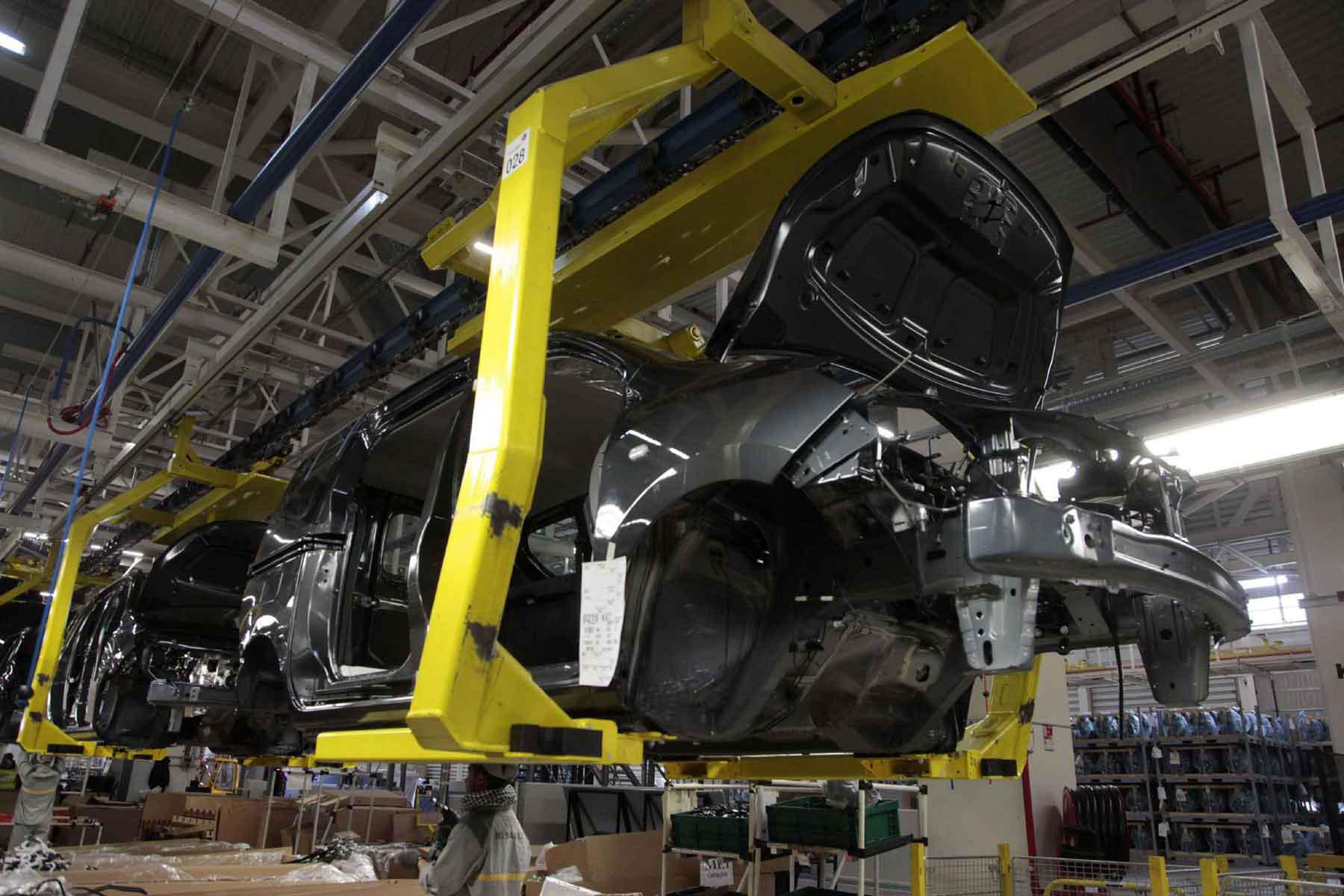
Stellantis’ decision to assemble the next generation of the Citroën C4 at its Kenitra plant marks a significant step in Morocco’s transformation into a fully fledged automotive and engineering hub, moving beyond its role as a low-cost manufacturing and assembly base.
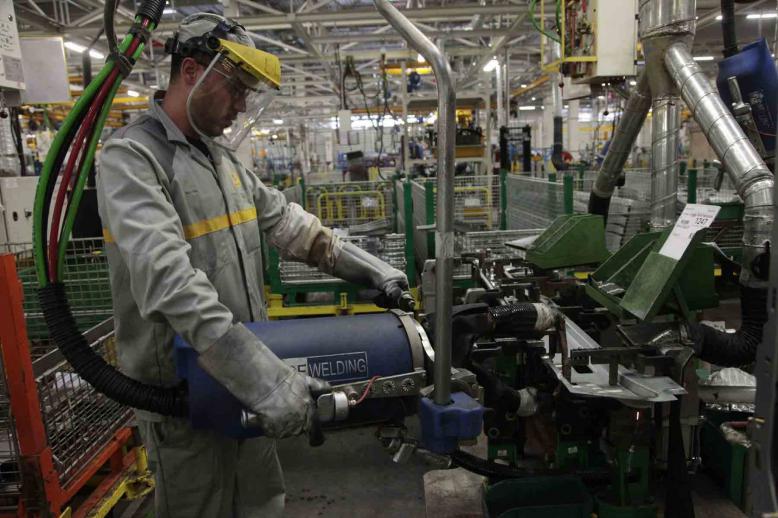
The move reflects the growing maturity of Morocco’s industrial ecosystem, as production of an iconic model such as the Citroën C4 expands the country’s output beyond entry-level vehicles into the compact car segment and electric models. Industry officials say this shift highlights the ability of Morocco’s workforce to meet the European group’s stringent quality standards.
Local content in some models has exceeded 69 percent, with authorities aiming to raise that figure to 80 percent, reinforcing Morocco’s integration into global automotive value chains. The country has overtaken traditional industrial players to become Africa’s largest producer of passenger cars and is approaching annual output of one million vehicles.
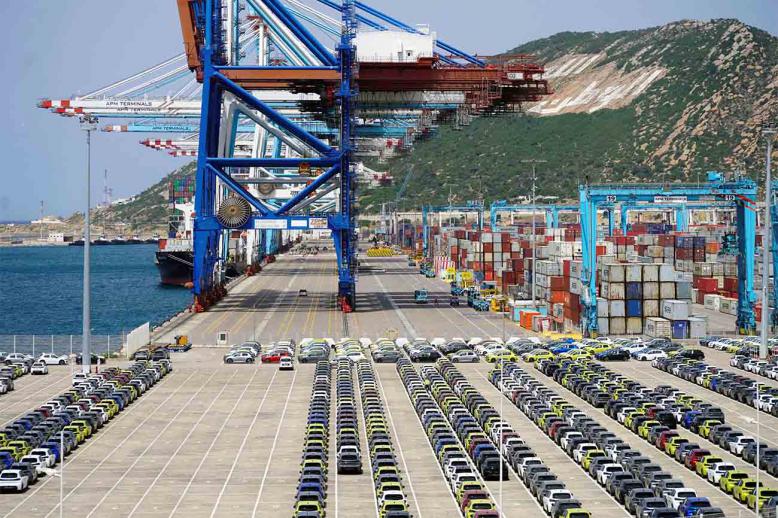
The automotive sector is Morocco’s leading export industry, with vehicles made in the country shipped to more than 75 destinations worldwide, mainly in Europe.
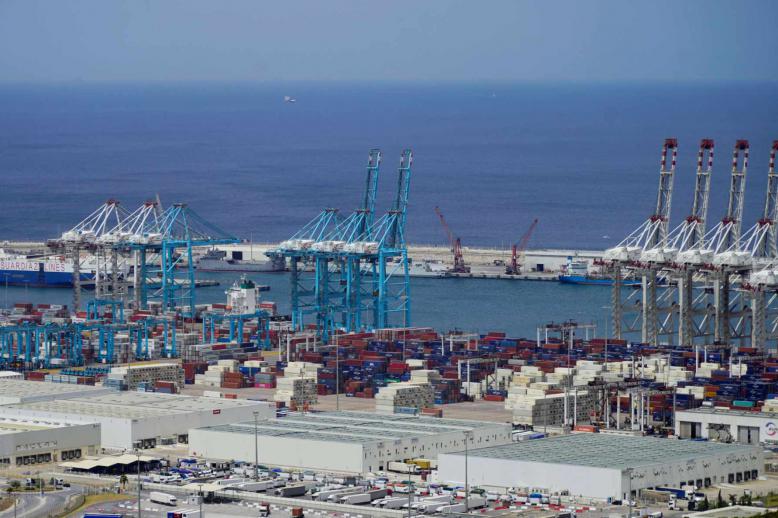
Morocco’s logistics advantage has been bolstered by modern infrastructure, particularly the Tangier Med port, enabling manufacturers to link factories to global markets within short delivery times.
As the global auto industry pivots towards greener technologies, Morocco has positioned itself early in the transition. The Kenitra plant already produces the fully electric Citroën Ami, while the country has attracted major investment in electric vehicle batteries, including recent agreements with large Chinese companies to establish lithium battery factories.
These investments are expected to strengthen the long-term sustainability of Morocco’s automotive industry as global markets move away from internal combustion engines.
Morocco’s rise as an automotive hub has been supported by the presence of more than 250 international suppliers, including Lear, Yazaki and Magneti Marelli, which operate large facilities producing wiring systems, seats and engine components.
Industry analysts say the launch of the new Citroën C4 at the Kenitra plant signals a new phase for Morocco’s automotive sector, with the “Made in Morocco” label increasingly associated not only with quality but also with innovation and global competitiveness.
Morocco is no longer just assembling cars, analysts add, but reshaping its economic future through deeper integration into complex global value chains.