

Thousands wishing to join Russian forces
Iraq raises alarm over youth drawn into Russia-Ukraine war
Human rights groups emphasise that the trend poses a serious threat to Iraq’s youth, although precise numbers remain unclear.
Monday 29/12/2025
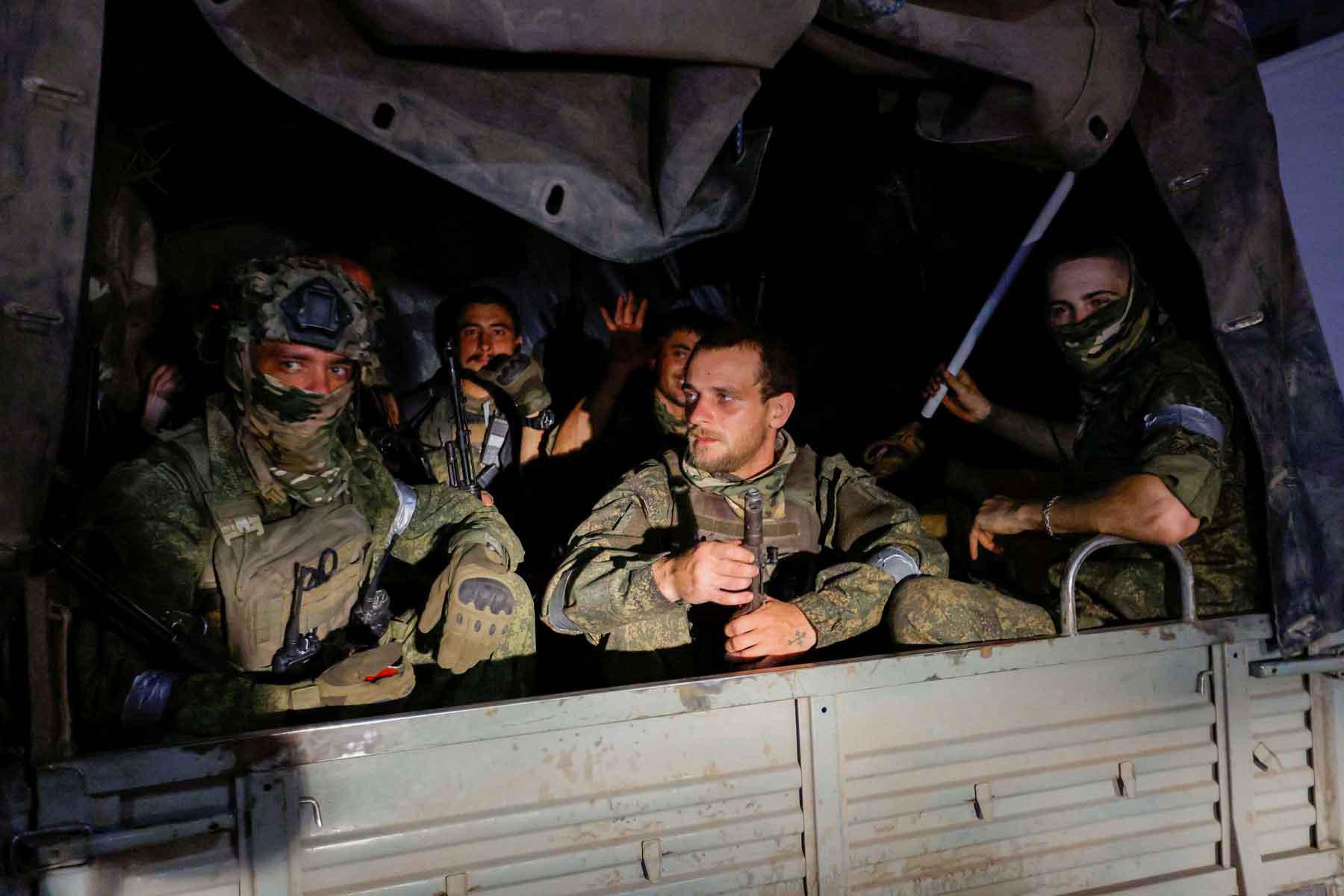
Thousands wishing to join Russian forces
BAGHDAD –
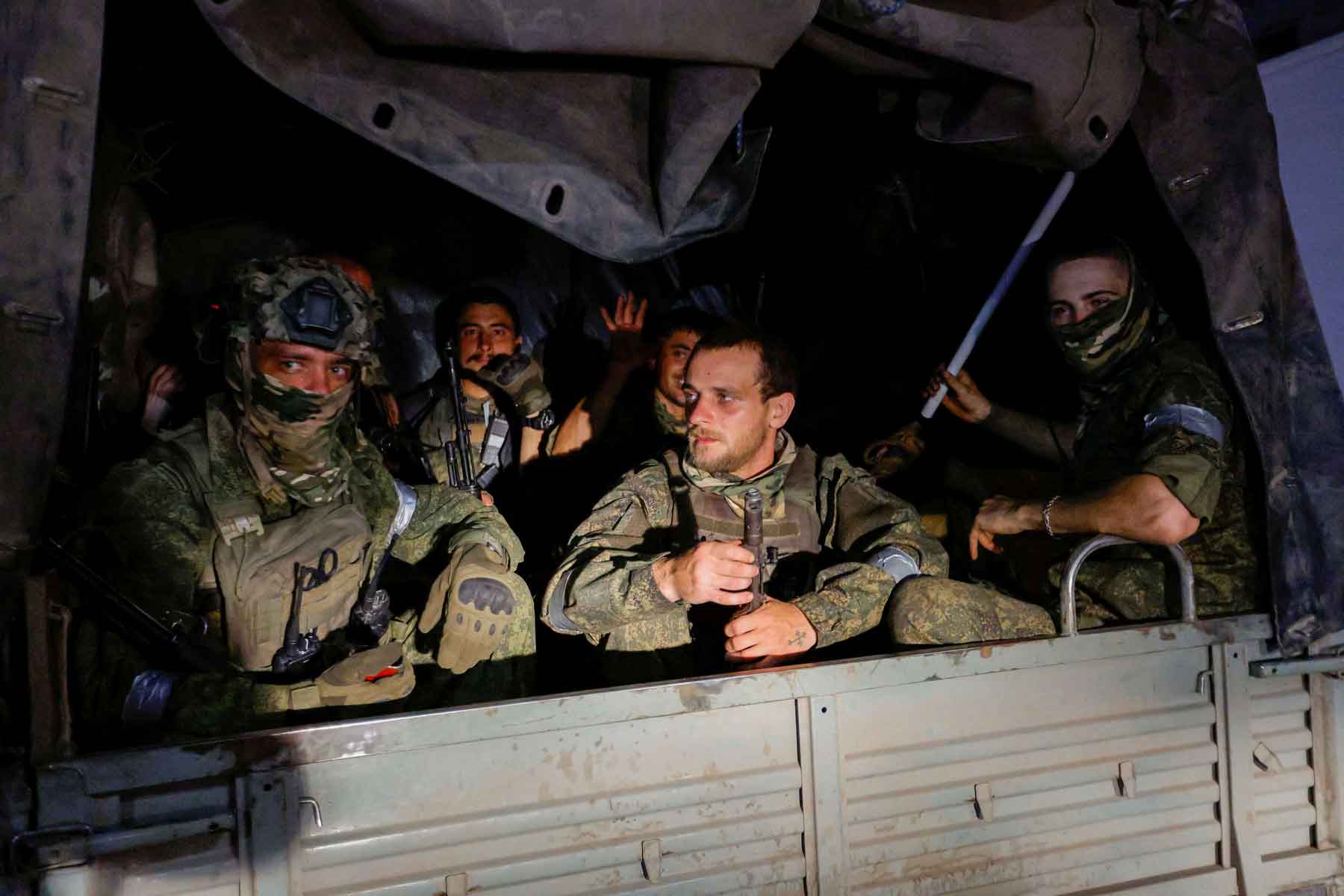
Iraqi authorities and human rights organisations are sounding the alarm over a growing phenomenon in which young Iraqis are being recruited to fight for Russian forces in Ukraine, prompting urgent calls for travel restrictions to Moscow. Officials warn that the trend is no longer isolated, with youth reportedly enticed by promises of employment, educational opportunities, or financial incentives, only to find themselves sent to deadly frontlines abroad.
Human rights groups emphasise that the trend poses a serious threat to Iraq’s youth, although precise numbers remain unclear. Activists report that families are witnessing deaths and injuries of young Iraqis in Russian combat zones on an almost daily basis, underscoring the severe humanitarian and social implications of the phenomenon.
Ali al-Abadi, head of the Baghdad-based Iraq Center for Human Rights, told Baghdad Today that the government should adopt “an exceptional decision to restrict travel to Russia and allow it only in documented and necessary cases.”
He added that the ongoing flow of Iraqi youth into conflict zones represents “a human bleeding that cannot be ignored,” stressing that the protection of lives must take precedence over all other considerations.
Abadi highlighted the absence of strict oversight over travel as a key enabling factor for recruitment networks, which operate widely on social media platforms, particularly Telegram. Young people are lured with promises of high-paying jobs or educational opportunities, only to end up in military training camps or on the frontlines. He noted that statements from Russian officials, including the Russian ambassador to Baghdad, have confirmed the presence of Iraqis fighting alongside Russian forces, reinforcing the urgent need for government intervention.
The issue has gained heightened attention amid circulating social media reports suggesting that large numbers of Iraqis are participating in the conflict, despite inconsistent information and a lack of transparency. In October, Russia’s ambassador to Iraq, Elbrus Kutrashev, disclosed that Moscow had received applications from thousands of Iraqis wishing to join Russian forces, but officially rejected them due to the absence of a legal framework allowing the recruitment of foreigners. The statement raised questions about the intermediaries facilitating young Iraqis’ passage to combat zones.
Media reports indicate that local brokers, affiliated with influential militias in cities including Baghdad, Basra and Najaf, are offering substantial incentives: monthly salaries of up to $2,000 or more, promises of permanent residency, and even Russian citizenship. In a country plagued by high youth unemployment and limited economic opportunities, some Iraqis are willing to risk their lives in search of income or a better future.
Observers link the rise in recruitment to Iraq’s deep economic and social challenges, warning that widespread despair among youth creates fertile ground for exploitation. Reports highlight the severe dangers confronting foreign recruits, who are often sent to the frontlines and face high rates of injury and death, while being bound by contracts that make returning home extremely difficult.
The situation also poses a complex political and legal challenge for Prime Minister Mohammed Shiaa al-Sudani’s government, intertwining humanitarian, security and diplomatic concerns. The Iraqi embassy in Moscow has issued explicit warnings to young citizens, cautioning them against falling victim to recruitment schemes, and emphasising that no official Iraqi authorisation exists for participation in the Ukraine conflict.
Analysts warn that failing to curb the trend could exacerbate internal crises and expose Iraq to further legal and security complications. They advocate for stricter travel restrictions, enhanced monitoring, and improved socio-economic opportunities for young Iraqis as essential measures to stem the loss of life and prevent economic hardship from being exploited as a gateway into foreign wars.