


National tragedy
New chief of staff appointed as Libya mourns fallen army leaders
Major General Salah al-Din al-Namroush’s appointment marks a critical step in maintaining continuity within Libya’s military hierarchy.
Monday 29/12/2025
National tragedy
TRIPOLI –
The Libyan ministry of defence has announced the appointment of Major General Salah al-Din al-Namroush as acting chief of staff, following the death of General Mohammed al-Haddad in a plane crash near Ankara, Turkey, last Tuesday.
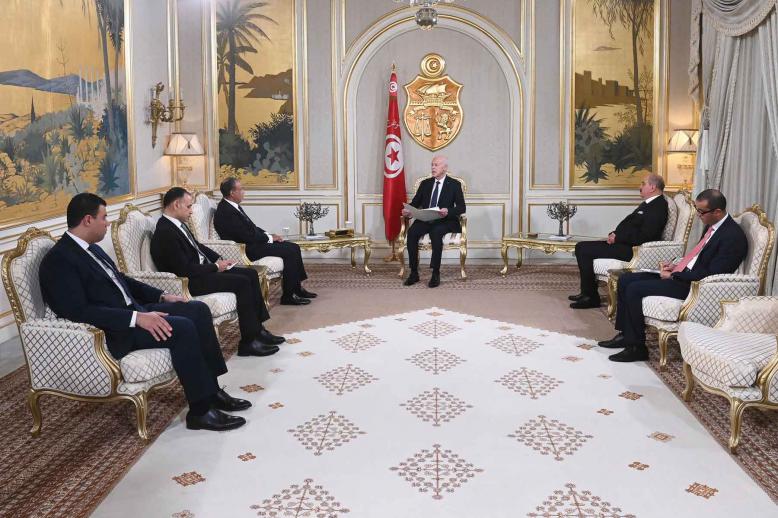
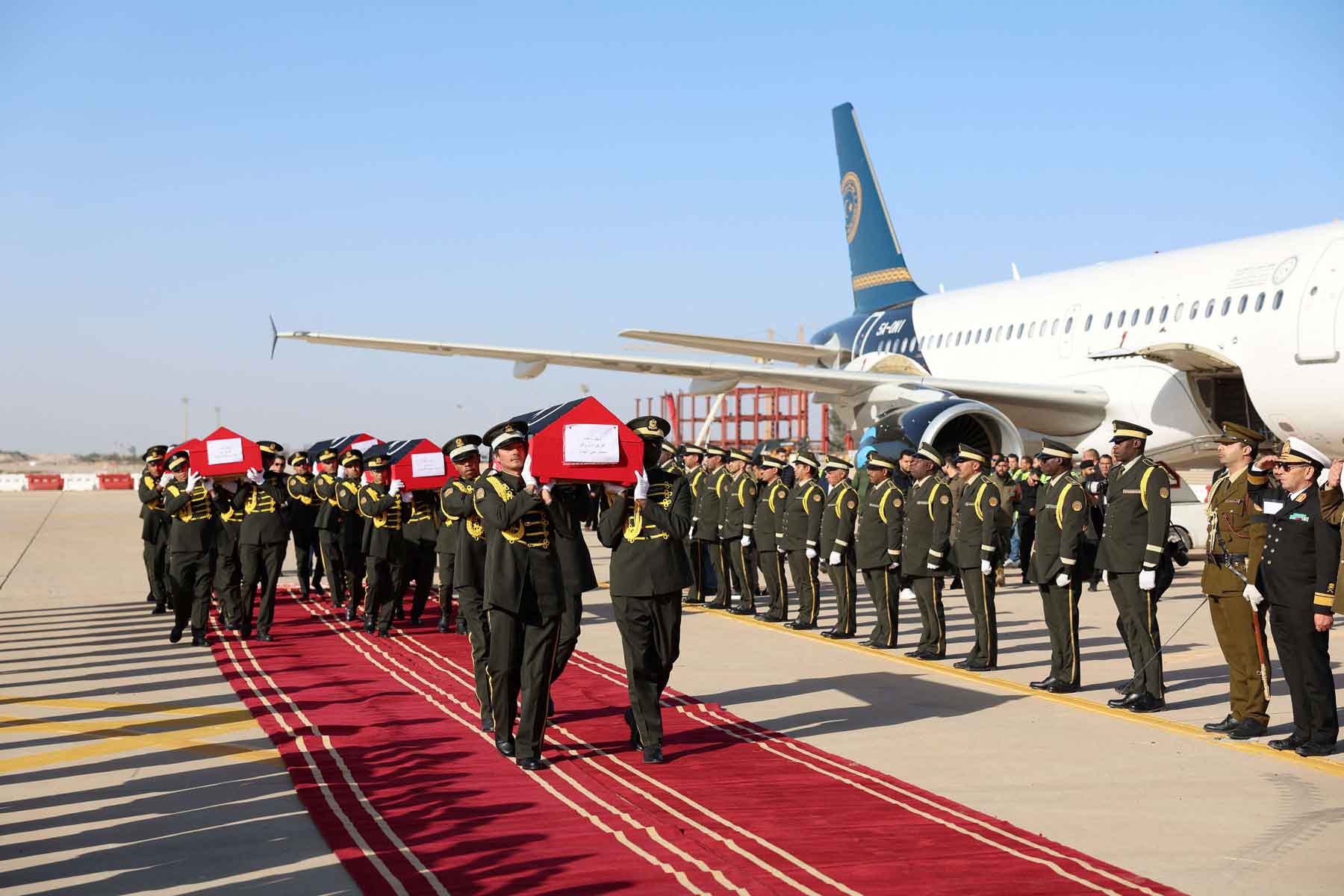
The appointment was confirmed during a solemn military funeral ceremony attended by Presidential Council President Mohammed al-Menfi, Prime Minister and Defence Minister Abdulhamid Dbeibah, the newly-appointed Chief of Staff, senior military officials and top government figures. Foreign military representatives and diplomats accredited to Libya also attended, underlining the international attention on Libya’s military leadership transition.
The crash, which occurred approximately 40 minutes after takeoff, claimed the lives of Haddad and four senior officers, including the commander of the Tripoli-based Land Forces, the director of military manufacturing and key advisers to the Libyan army, along with three members of the flight crew. The tragedy sparked widespread mourning across Libya, with local authorities in Misrata declaring a day of public holiday to allow citizens to attend funeral proceedings and pay tribute to the fallen.
Speaking at the ceremony, Menfi described the incident as “a national tragedy,” stressing that the loss extended beyond the families and institutions directly affected. “This is a tragedy for the entire nation,” he said.
“We carry a responsibility, before God and our people, to honour these sacrifices by building a unified, professional, and disciplined Libyan military that serves only the state and its citizens, operating strictly under the law.”
Prime Minister Dbeibah echoed the sentiment, praising the deceased as “men of the state as well as military leaders,” and emphasising that General Haddad had been a model of military discipline and commitment to civilian oversight.
He called for the continued construction of a national army capable of safeguarding Libya’s sovereignty and stability, asserting that the investigation into the crash would proceed “with the utmost seriousness and responsibility” in coordination with Turkish authorities.
The tragedy has also highlighted political tensions within Libya. Militia leaders and public figures in Misrata criticised what they described as a lack of adequate government response and transparency, demanding accountability and greater support for the families of the fallen officers. Revolutionary brigades in the city pledged to protect the ongoing popular movement against corruption and to uphold the memory of General Haddad and his colleagues.
In addition to official ceremonies, the ministry of defence confirmed that DNA analysis of the victims’ remains had been completed, paving the way for their repatriation to Tripoli and the formal handover to their families. The event reinforced a nationwide call for building stronger military institutions while honouring those who gave their lives in service of the country.
Major General Salah al-Din al-Namroush’s appointment marks a critical step in maintaining continuity within Libya’s military hierarchy. As acting chief of staff, he inherits the challenge of stabilising civil-military relations, strengthening discipline within the armed forces, and supporting the ongoing efforts to professionalise Libya’s army while navigating the complex political landscape of the country.