

Risk of wider protests
Trump warns US ‘locked and loaded’ as Iran protests turn deadly
Iranian officials condemned Trump’s remarks. Ali Larijani warned that any US interference in Iran’s internal affairs would lead to chaos across the region.
Friday 02/01/2026
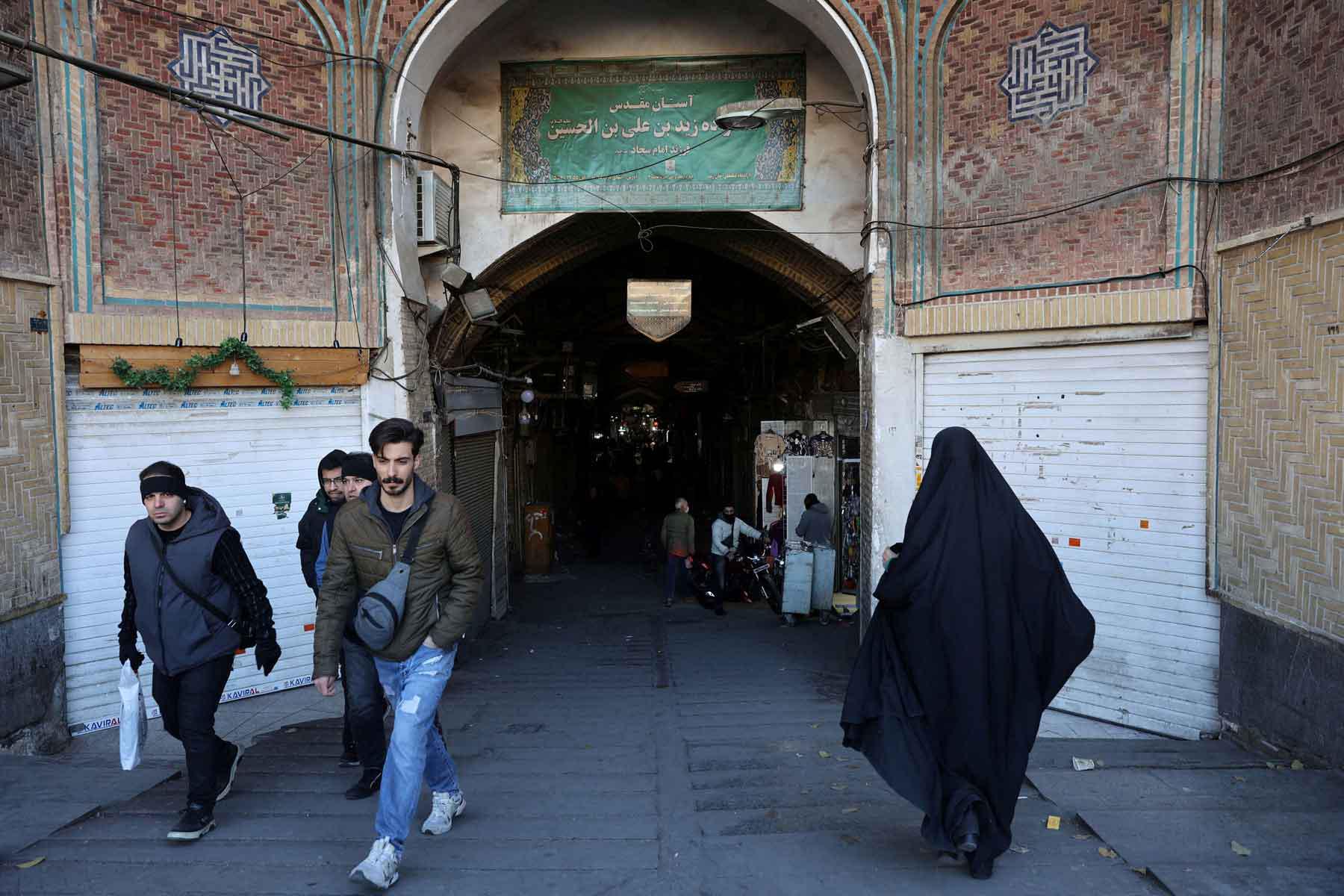
Risk of wider protests
WASHINGTON –
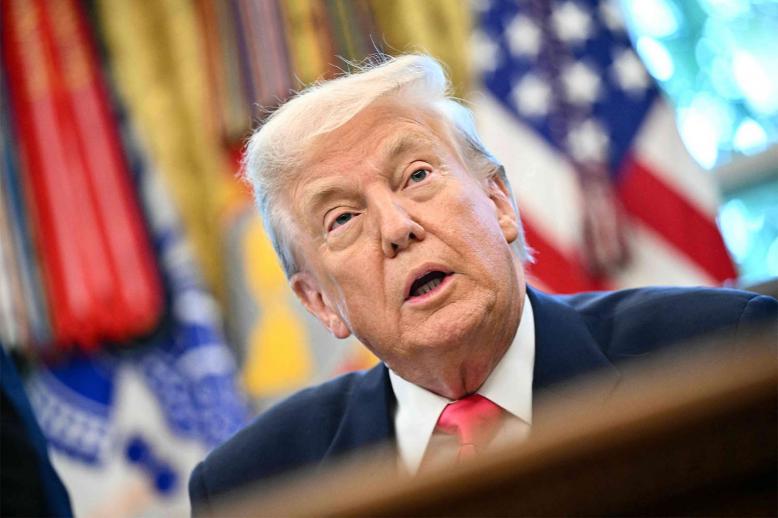
US President Donald Trump warned on Friday that the United States was “locked and loaded” to respond if Iranian authorities use lethal force against protesters, as demonstrations over soaring living costs spread across Iran and turn increasingly violent.
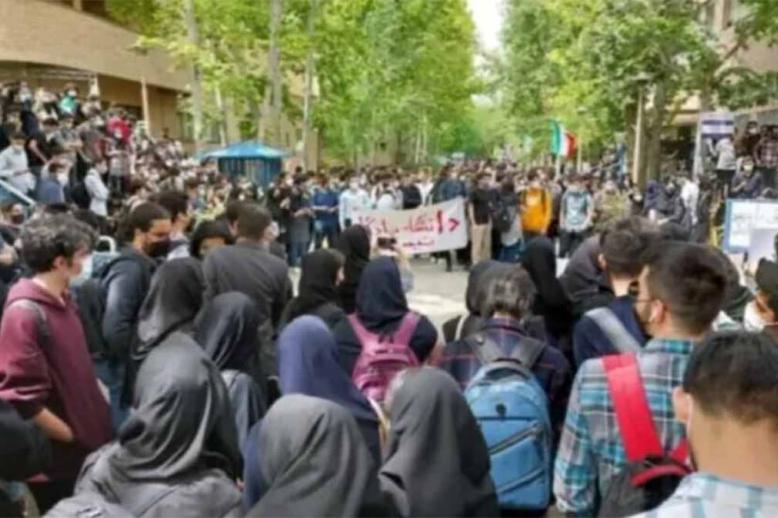
The warning came after clashes between protesters and security forces left several people dead in multiple provinces, marking the bloodiest unrest Iran has seen in nearly three years. The demonstrations, initially sparked by economic hardship, have widened beyond Tehran to western and south-western regions, underscoring deepening public anger over inflation, currency collapse and economic stagnation.
Posting on his Truth Social platform, Trump said Washington would not stand by if peaceful demonstrators were killed. “If Iran shoots and violently kills peaceful protesters, which is their custom, the United States of America will come to their rescue,” he wrote, adding: “We are locked and loaded and ready to go.”
Iranian officials swiftly condemned the remarks. Ali Larijani, a senior adviser to Supreme Leader Ayatollah Ali Khamenei, warned that any US interference in Iran’s internal affairs would lead to chaos across the region, accusing Washington of seeking to exploit domestic unrest.
Deadly clashes and mounting unrest
Iran’s Fars news agency reported that at least two people were killed during clashes in the city of Lordegan in Chaharmahal and Bakhtiari province, while three others died in Azna, in neighbouring Lorestan. State television said a member of the security forces was also killed overnight during unrest in the western city of Kouhdasht.
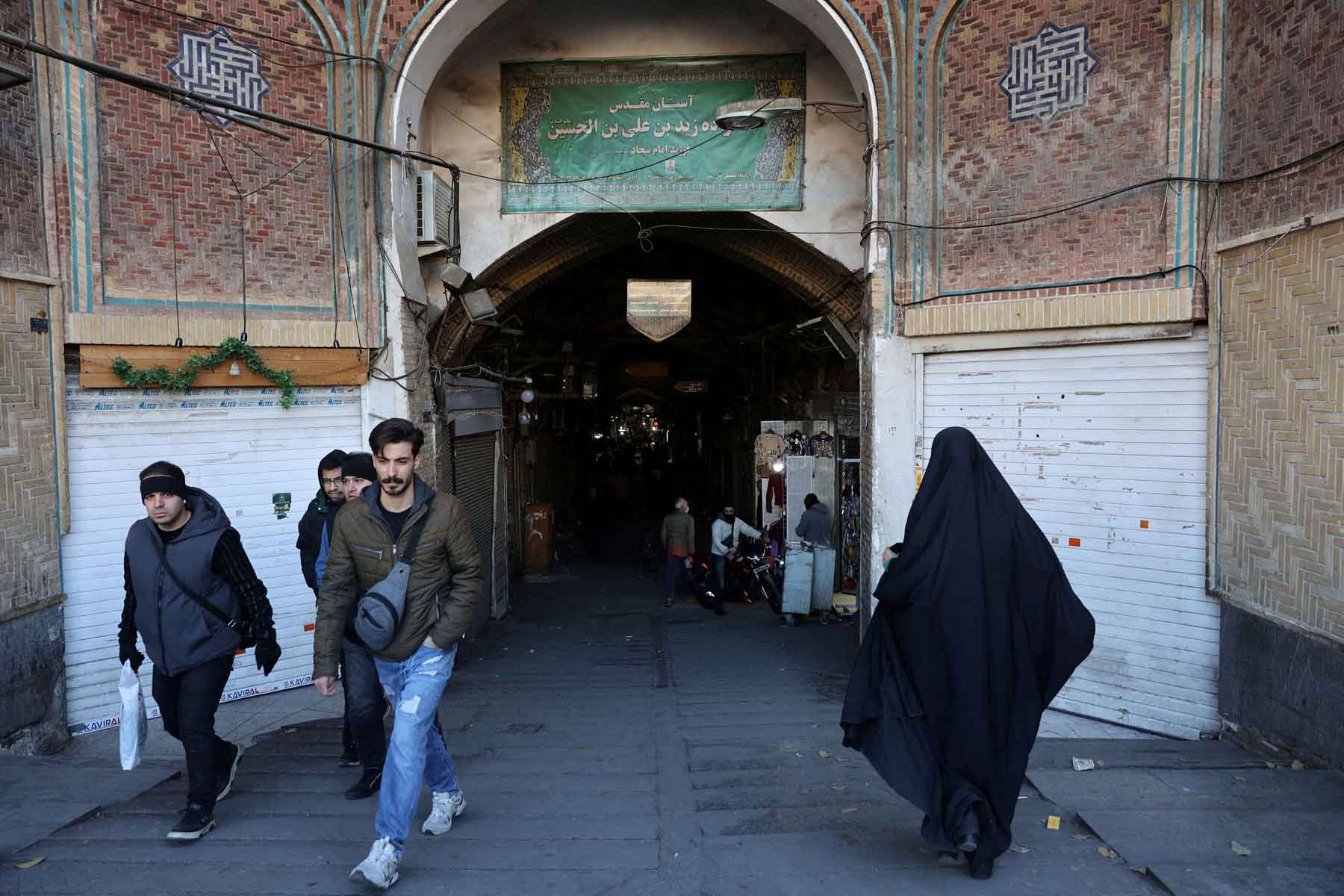
The protests gained momentum after shopkeepers in Tehran went on strike over high prices and dwindling purchasing power, with similar actions reported in other cities. Demonstrations have since been recorded in provinces including Lorestan, Isfahan, Kermanshah, Ilam, Khuzestan, Fars, Hamadan, Zanjan, Markazi, Qom, Tehran, Qazvin, Alborz, Gilan, Mazandaran, Khorasan and Hormozgan, reflecting the breadth of the crisis.
While the current protests remain smaller than the nationwide uprising in 2022 following the death of Mahsa Amini in police custody, analysts note worrying similarities. That wave of unrest left several hundred people dead, including dozens of security personnel, and posed one of the most serious challenges to the Islamic Republic in decades.
Reza Pahlavi, the exiled son of Iran’s last shah, voiced strong support for the protesters, describing those killed in recent days as “true heroes” whose sacrifice would endure in Iran’s national memory. He praised the demonstrators for what he called a historic moment of courage, solidarity and collective determination to “reclaim the nation.”
Pahlavi highlighted the geographical spread of the protests as evidence of widespread popular discontent, and called for public commemorations of those killed, both inside Iran and among Iranian communities abroad, as a symbol of unity beyond borders.
Economic crisis at the core
Observers say the expanding protests reflect a deepening economic crisis, exacerbated by the sharp fall of the rial against the dollar and other foreign currencies. The erosion of purchasing power has fuelled social and political pressure on the authorities, particularly in poorer western and south-western provinces.
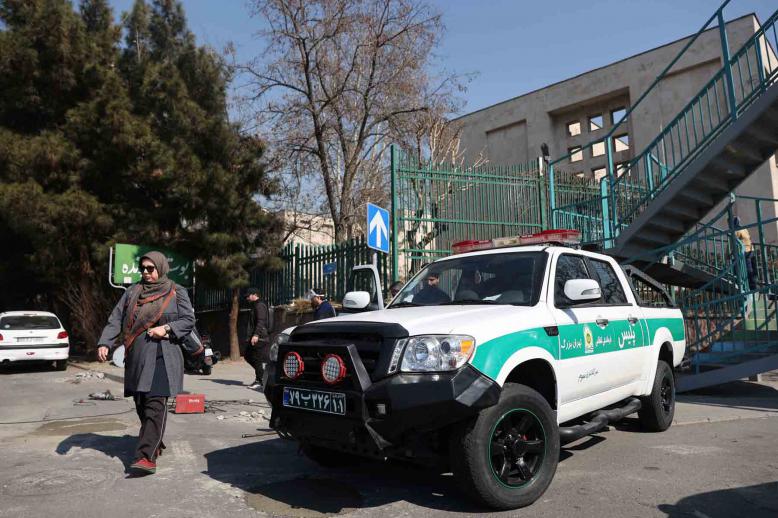
Attacks on police stations, including incidents reported in Lorestan, signal an escalation in tensions between protesters and security forces, raising fears that the unrest could spiral into broader instability if grievances remain unaddressed.
Iranian officials have sought to frame the unrest as an internal challenge, rejecting foreign involvement and stressing that solutions must come from within. At the same time, official acknowledgements of economic difficulties appear aimed at easing public anger and signalling that the government is monitoring the situation closely.
Experts warn that unless swift measures are taken to stabilise the economy and address living-cost pressures, Iran could face a wider wave of unrest. The challenge for authorities, they say, will be to strike a balance between maintaining security and offering credible economic and social reforms to prevent further bloodshed.