

Seeking support of neighbouring and allied countries
Iran, Iraq step up border security amid fears of opposition infiltration
Tehran views Iraqi territory as a strategic rear base, at times using local armed factions to exert pressure on US interests.
Wednesday 14/01/2026
Seeking support of neighbouring and allied countries
BAGHDAD –
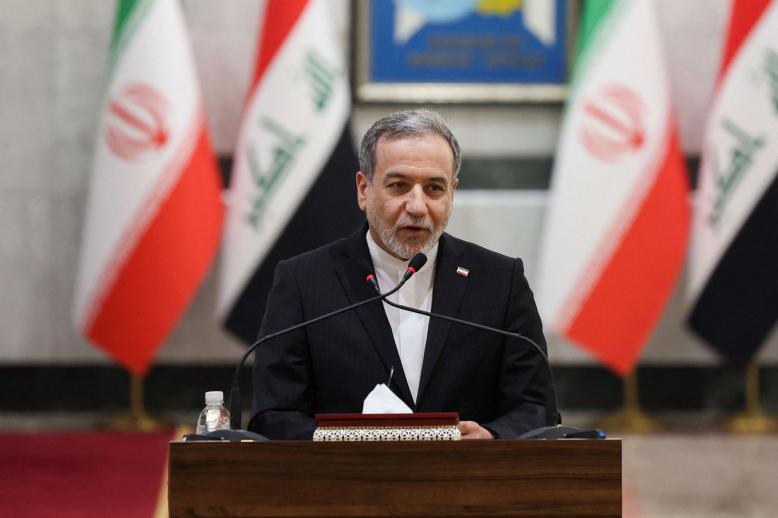
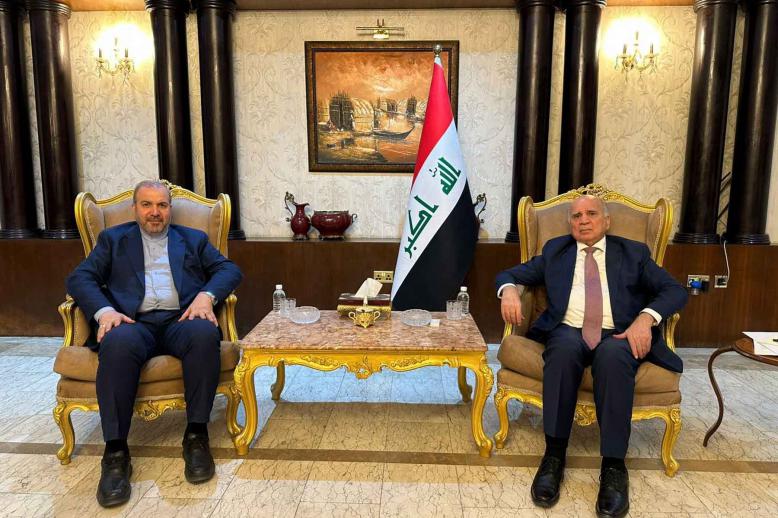
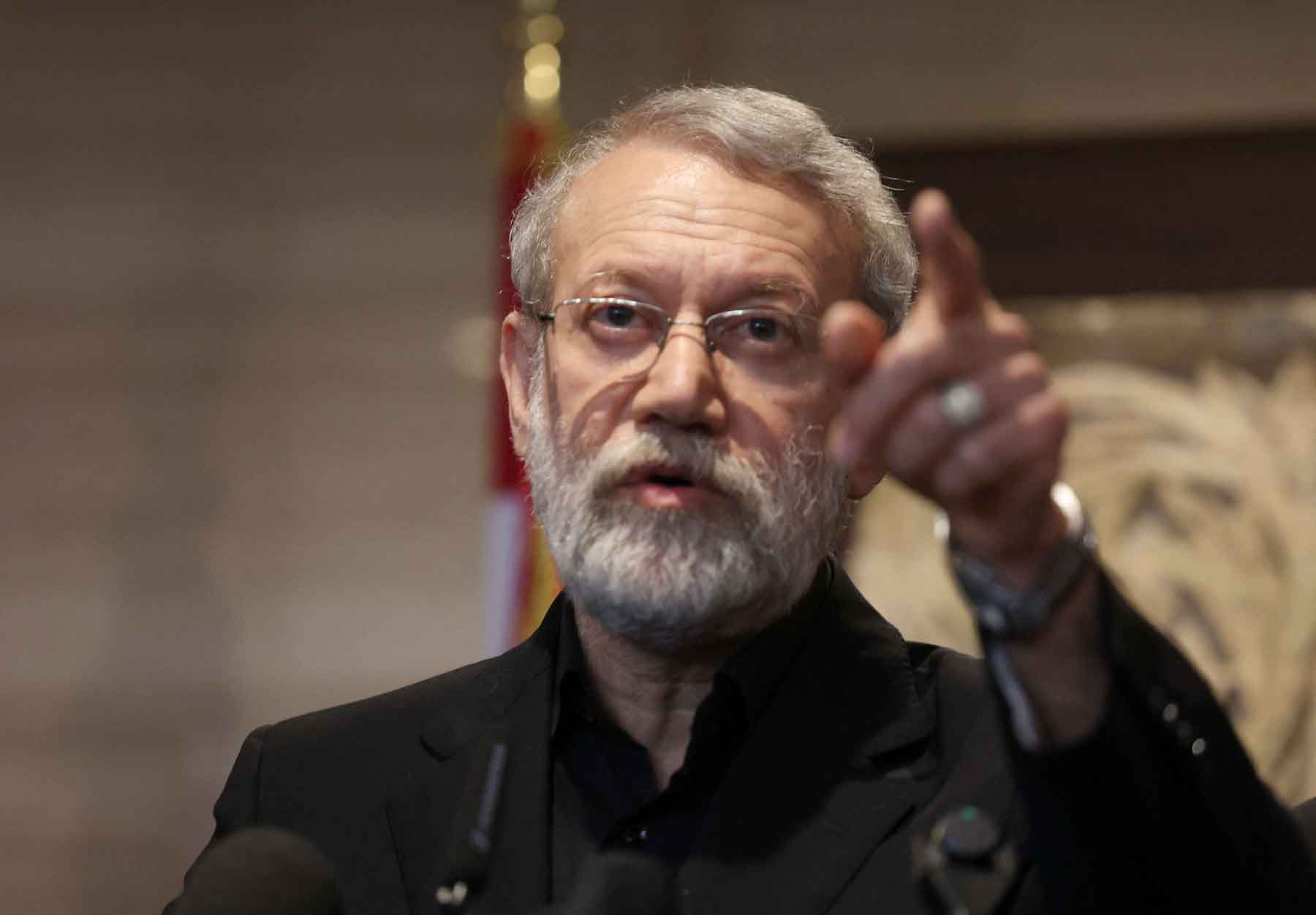
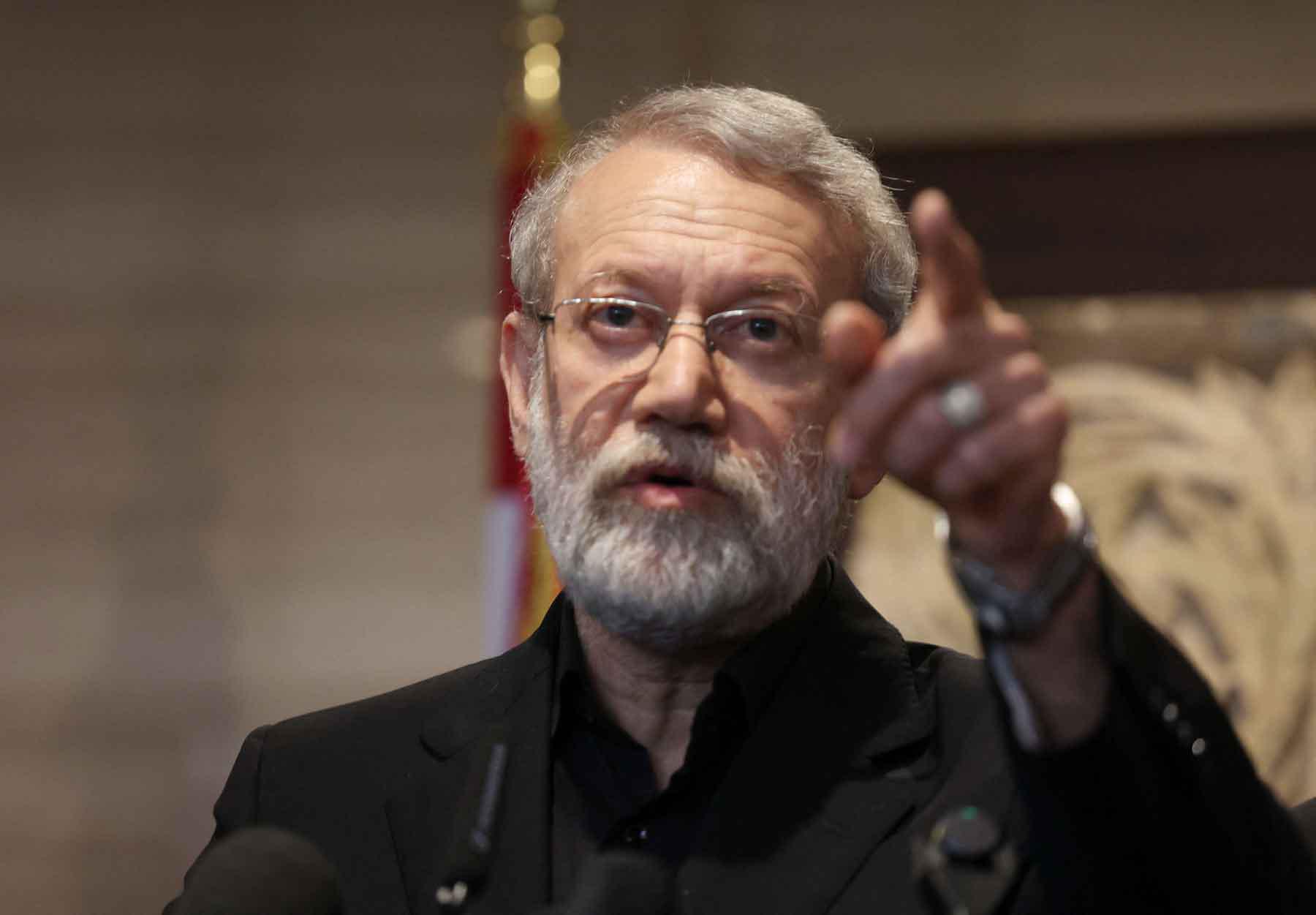
Iraqi National Security Adviser Qasim al-Araji held a phone discussion with Iranian Supreme National Security Council Secretary Ali Larijani on Tuesday, underscoring the growing importance both sides place on tightening control over their shared border and preventing any infiltration by “terrorist groups.”
According to the Iraqi News Agency (WAFA), the officials reviewed regional developments and reaffirmed the necessity of enhancing coordination and cooperation to curb cross-border threats. The exchange comes amid heightened Iranian concerns about attacks carried out by opposition groups across the frontier.
The Baghdad-Tehran relationship has long been close, with Iraqi authorities previously supporting Iran in its fight against terrorism. However, analysts note that Tehran views Iraqi territory as a strategic rear base, at times using local armed factions to exert pressure on US interests.
In line with this approach, the two governments have previously agreed to dismantle camps used by opposition groups such as the People’s Mujahedin of Iran (MEK) along the border. Iranian forces have also carried out targeted strikes on Iraqi soil, particularly in Iraqi Kurdistan, against Kurdish factions accused of waging guerrilla warfare against Iran’s Revolutionary Guard and army.
Iran-aligned militias such as Kata’ib Hezbollah have issued warnings to the United States of potential retaliation if American forces strike Iranian targets. Opposition sources suggest that Tehran increasingly relies on these cross-border militias to suppress domestic protests, illustrating the regime’s dependence on armed proxies to reinforce its authority.
These militias reportedly include well-known Iran-loyal factions such as Kata’ib Hezbollah, Harakat Al-Nujaba, Liwa Sayyid al-Shuhada, and the Badr Organisation. Reports indicate they have received direct instructions to carry out security operations, including dispersing demonstrators and targeting activists.
Tuesday’s call between Araji and Larijani followed a separate discussion between Larijani and Qatari Prime Minister and Foreign Minister Mohammed bin Abdulrahman on broader regional developments. The dialogue coincides with continuing domestic protests in Iran and mounting Israeli-American threats of military action against Tehran.
Since December 28, widespread demonstrations have erupted across Iran over worsening economic and living conditions, escalating pressure on the regime. US and Israeli officials have openly expressed hopes for the collapse of Iran’s government, in power since 1979.
The Israeli public broadcaster stated on Tuesday that the United States is “closer than ever” to striking Iran, while President Donald Trump encouraged Iranian demonstrators via Truth Social to continue their protests and “take control of your institutions.” Trump also announced the suspension of all meetings with Iranian officials until the killing of protesters stops.
Meanwhile, China and Russia have voiced strong opposition to any potential US military intervention in Iran’s internal affairs, highlighting the international sensitivity of escalating tensions in the region.