

Resolve on the nuclear file
Witkoff lays out core demands to Iran amid protests, nuclear tensions
Analysts say Witkoff’s remarks reflect a deliberate balancing act: intensifying political and economic pressure on Tehran while keeping the door to negotiations open.
Friday 16/01/2026
Resolve on the nuclear file
WASHINGTON – The United States has delivered a direct and carefully calibrated message to Iran, signalling both openness to diplomacy and readiness for tougher measures, as Tehran faces mounting domestic unrest and renewed international pressure over its nuclear programme and regional activities.
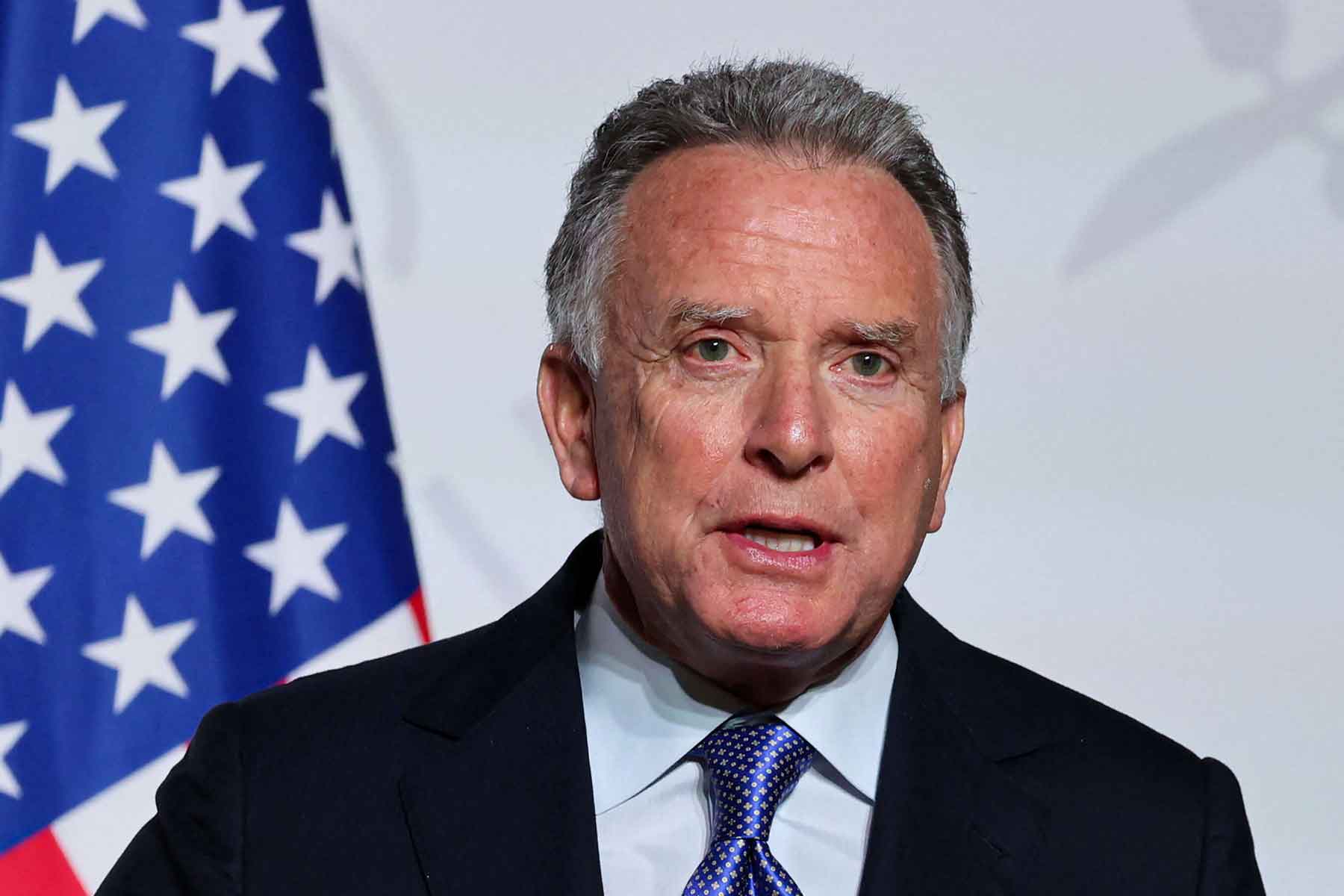
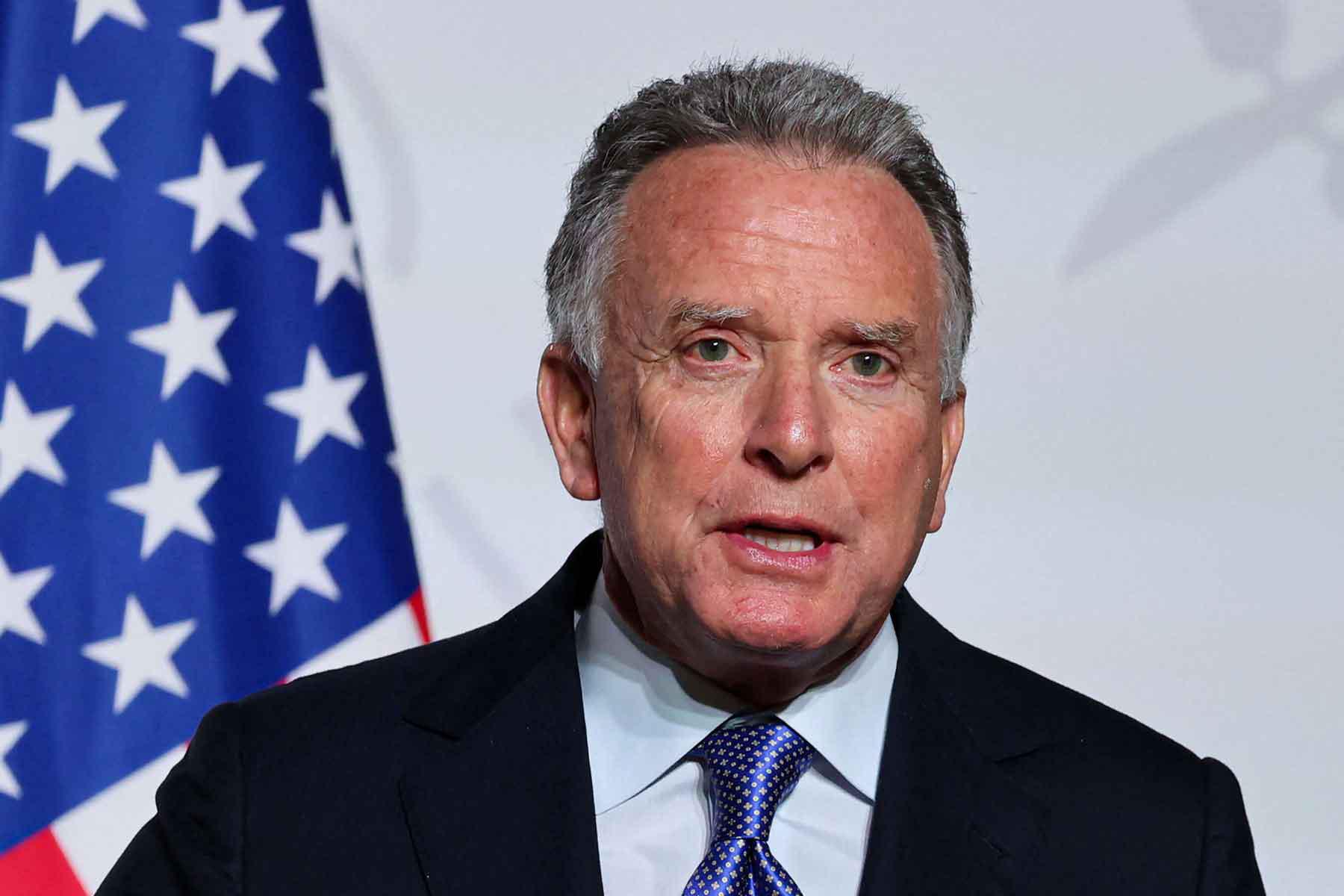
Steve Witkoff, President Donald Trump’s special envoy to the Middle East, said on Friday that Washington had communicated a set of four issues to Iran’s leadership, even as Tehran continues to accuse the United States and Israel of fuelling and arming protesters inside the country.
Witkoff’s move is widely seen as part of a broader US effort to manage the intertwined security and economic challenges confronting Iran at a moment of heightened vulnerability. The country is grappling with persistent nationwide protests over economic hardship, political repression and social conditions, while facing sustained scrutiny over uranium enrichment, missile development and its network of regional allies.
In a statement, the US envoy stressed that Washington still favours a diplomatic resolution but is unwilling to rule out other options should negotiations fail.
“I hope there’s a diplomatic resolution. I really do,” Witkoff said, adding ““If they want to come back to the league of nations, we can solve those four problems diplomatically, then that would be a great resolution. The alternative is a bad one.”
According to Witkoff, the message sent to Tehran centres on four core issues: uranium enrichment, missile development, the size of Iran’s nuclear material stockpile and the role of Iran’s regional proxies. He described these as the “essential pillars” of any potential understanding with Tehran.
Witkoff also suggested that Iran’s deepening economic crisis could act as a catalyst for compromise, increasing the incentive for Tehran to re-engage in talks and scale back some of its most contentious policies.
Tehran pushes back, blames US and Israel
Iranian officials, however, have responded by escalating accusations against Washington and Tel Aviv, portraying the ongoing protests as externally orchestrated rather than domestically driven.
Foreign Minister Abbas Araghchi told UN Secretary-General Antonio Guterres in a phone call that the United States and Israel were directly involved in arming and organising elements inside Iran, according to a statement from Iran’s foreign ministry. The protests, which initially erupted over economic grievances, have since intensified and, according to Iranian authorities, descended into violence.
Araghchi accused Washington of bearing “international responsibility” for what he described as unlawful and destructive interference in Iran’s internal affairs, claiming that such actions were paving the way for potential military intervention. Iranian officials have increasingly framed these allegations as justification for the harsh security response to demonstrations.
Iran’s ambassador to the United Nations Gholamhossein Darzi echoed these claims during a Security Council session, asserting that the United States and Israel shared responsibility for what he called the “escalation of unrest” inside the country.
Washington keeps pressure on
The US administration, for its part, has sharply criticised Iran’s crackdown on protesters. Washington said last week that the escalating violence in Iran poses risks to international peace and security, warning that all options remain on the table to halt what it described as a continuing “massacre” of demonstrators.
Analysts say Witkoff’s remarks reflect a deliberate balancing act: intensifying political and economic pressure on Tehran while keeping the door to negotiations open. The approach appears designed to demonstrate resolve on the nuclear file without immediately resorting to direct military confrontation, even as the language leaves little doubt about the seriousness of US intent.
Observers also note the emphasis on communicating directly with the Iranian public, underlining a long-standing US strategy of distinguishing between the Iranian people and their rulers. By doing so, Washington aims to reinforce the message that diplomatic off-ramps remain available, but only if Iran’s leadership chooses cooperation over confrontation.
The four issues highlighted by Witkoff are widely regarded as the backbone of any future agreement. Uranium enrichment levels and nuclear stockpiles remain central to fears of a potential military nuclear capability, while Iran’s ballistic missile programme and its support for allied militias across the Middle East continue to alarm regional states and Western powers alike.
As protests persist at home and economic pressures deepen, some experts believe Iran may face a narrowing window to pursue meaningful negotiations. Yet Tehran’s history of defiance on the nuclear issue suggests that any breakthrough will be difficult and fraught.