

Bad news for Afghans who served the US during the war
US announces closure of Qatar transit camp housing Afghan evacuees
The State Department says the Afghans will be relocated to third countries rather than returned to Afghanistan, drawing immediate condemnation from US lawmakers and advocacy groups.
Friday 16/01/2026
Bad news for Afghans who served the US during the war
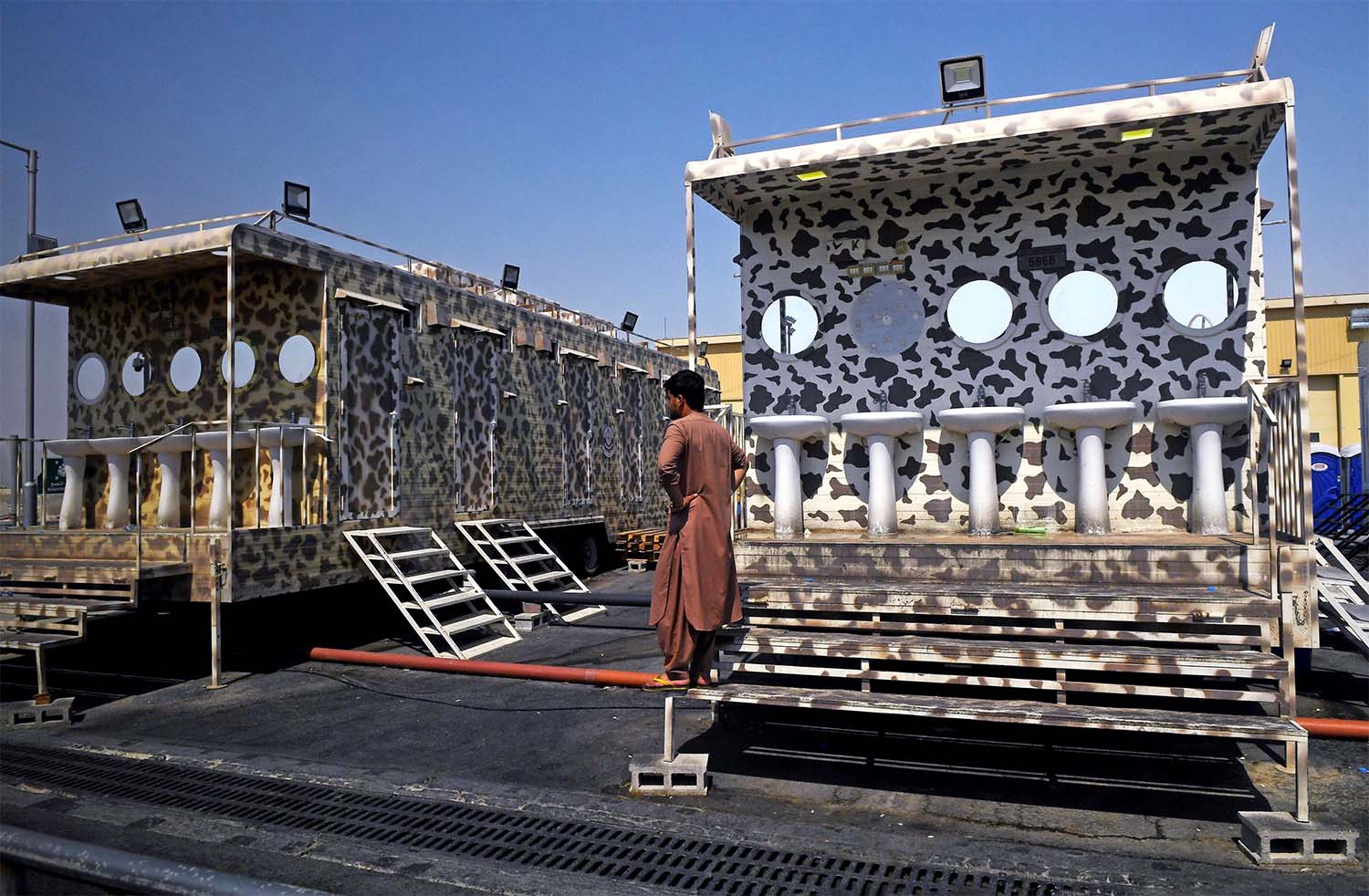
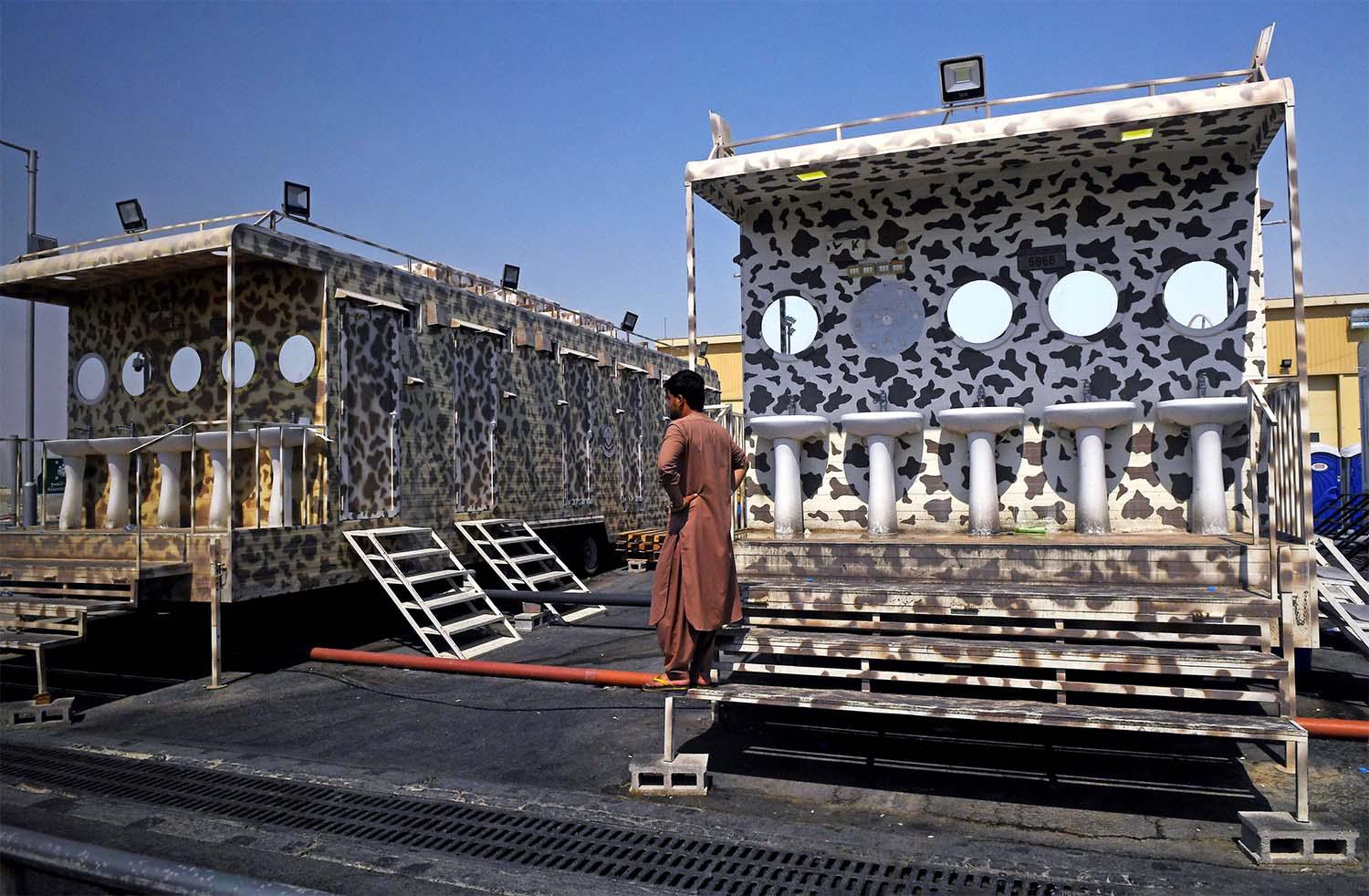
DOHA - The United States confirmed plans to close Camp As-Sayliyah (CAS), a former military logistics base in the Qatari desert that has served as a key transit hub for Afghan evacuees since the 2021 US withdrawal from Afghanistan, a move that has sparked sharp criticism from lawmakers, advocacy groups, and Afghan allies.
The US State Department informed Congress and confirmed to media outlets that it intends to relocate all remaining Afghans from the camp by March 31, with full demobilization of the facility by the end of the current fiscal year (September 30, 2026).
Currently, the camp houses approximately 1,100 Afghans, many of whom are awaiting final paperwork, security vetting, or transfers for resettlement in the United States.
Camp As-Sayliyah, originally a US military storage and transit facility near Doha, was repurposed in the chaotic aftermath of the Taliban takeover of Kabul in August 2021. It functioned as a "lily pad" — an intermediate processing site — where evacuees could undergo health screenings, biometric checks, and immigration processing before onward travel to the US or other countries.
Thousands of Afghans who assisted US and NATO forces — including interpreters, contractors, and their families — passed through the camp under programs like the Special Immigrant Visa (SIV) and refugee pathways.
However, following the change in US administration and shifts in immigration policy, processing has slowed dramatically, leaving many in prolonged limbo.
According to a State Department spokesperson, the Afghans will be relocated to third countries - yet to be publicly identified - rather than returned to Afghanistan. The decision is framed as part of efforts to "protect American security while allowing Afghans to start new lives elsewhere."
The announcement follows reports that the US had offered cash incentives (around $4,500 per person in some cases) to some evacuees to voluntarily return to Afghanistan or abandon their US resettlement goals — claims that have fueled accusations of pressure tactics.
The plan has drawn immediate condemnation. Representative Gregory Meeks (D-NY), Ranking Member of the House Foreign Affairs Committee, described it as "the latest reckless step by the Trump administration to dismantle every remaining pathway for these allies to safely relocate in the United States."
Advocacy organization AfghanEvac strongly condemned the move, with President Shawn VanDiver stating: "Shutting down CAS without guaranteeing timely, lawful resettlement to the United States would represent a profound failure of responsibility."
The group emphasized that many of the roughly 800 individuals in refugee pathways already have approved cases for US entry, and the evacuees were brought to Qatar under US government auspices with promises of protection.
Critics argue the closure amounts to a betrayal of Afghans who "laid their lives on the line" for the US mission, especially amid ongoing Taliban persecution. It aligns with broader Trump administration immigration restrictions, including pauses on certain refugee programs, visa freezes, and reviews of past cases — policies intensified after incidents like a 2025 shooting involving an Afghan national resettled under prior programs.
Broader context
The decision comes at a time of heightened regional tensions, with recent partial drawdowns of US personnel from nearby Al Udeid Air Base (Qatar's largest US military installation) due to threats related to Iran. While unrelated directly to the camp closure, these movements underscore the volatile security environment in the Gulf.
For the Afghans at Camp As-Sayliyah — many of whom have waited years in desert conditions — the closure raises urgent questions about their futures. Without clear third-country options or guaranteed US pathways, advocates warn of increased vulnerability.