

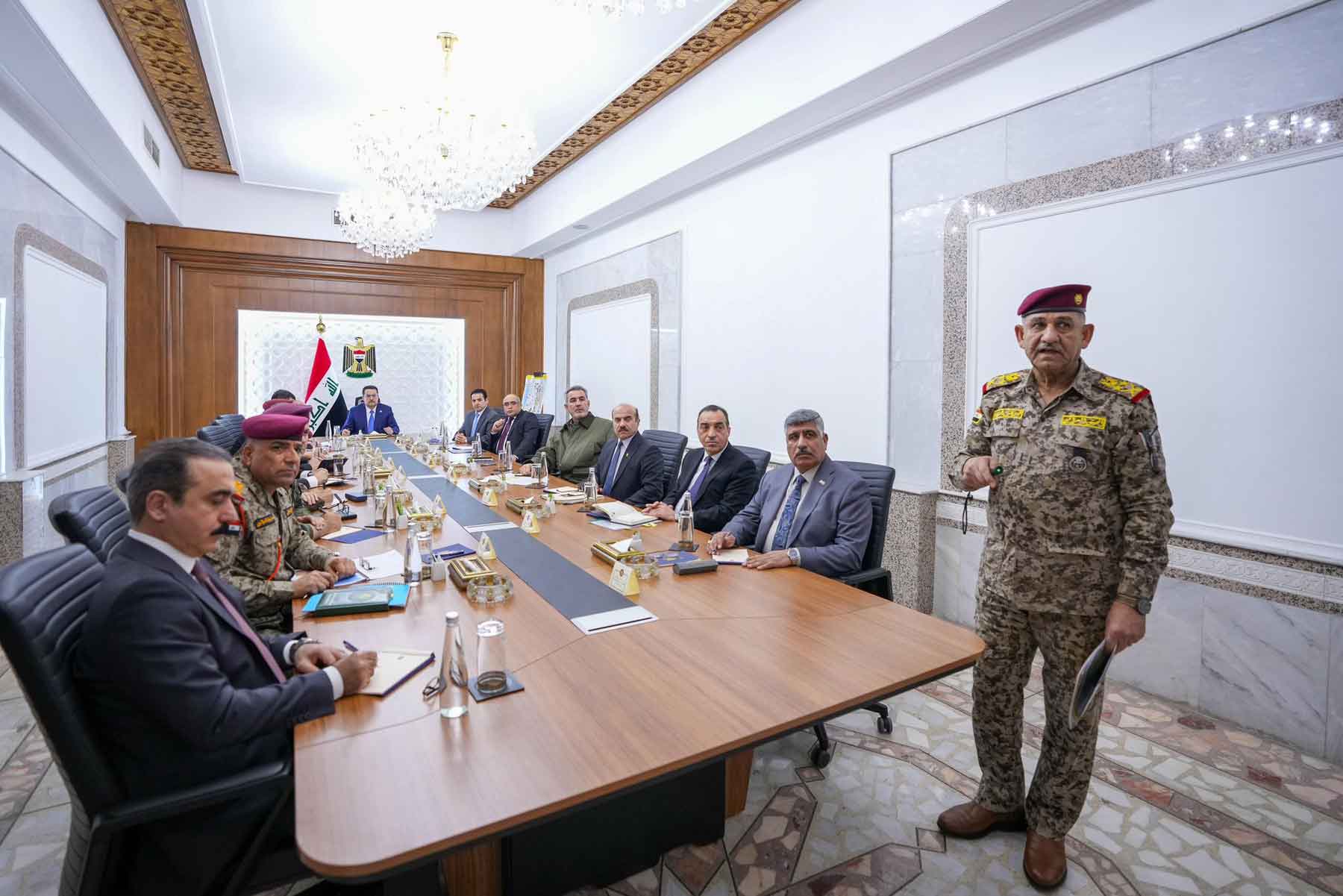
Security and military agencies brief the Iraqi government on developments along the Syrian border
Iraq intensifies diplomacy, border security as Syria’s tensions mount
Iraq’s moves reflect concern that instability in northern Syria could spill across the shared border, with Iraqi officials increasingly wary of the potential fallout for domestic security.
Wednesday 21/01/2026
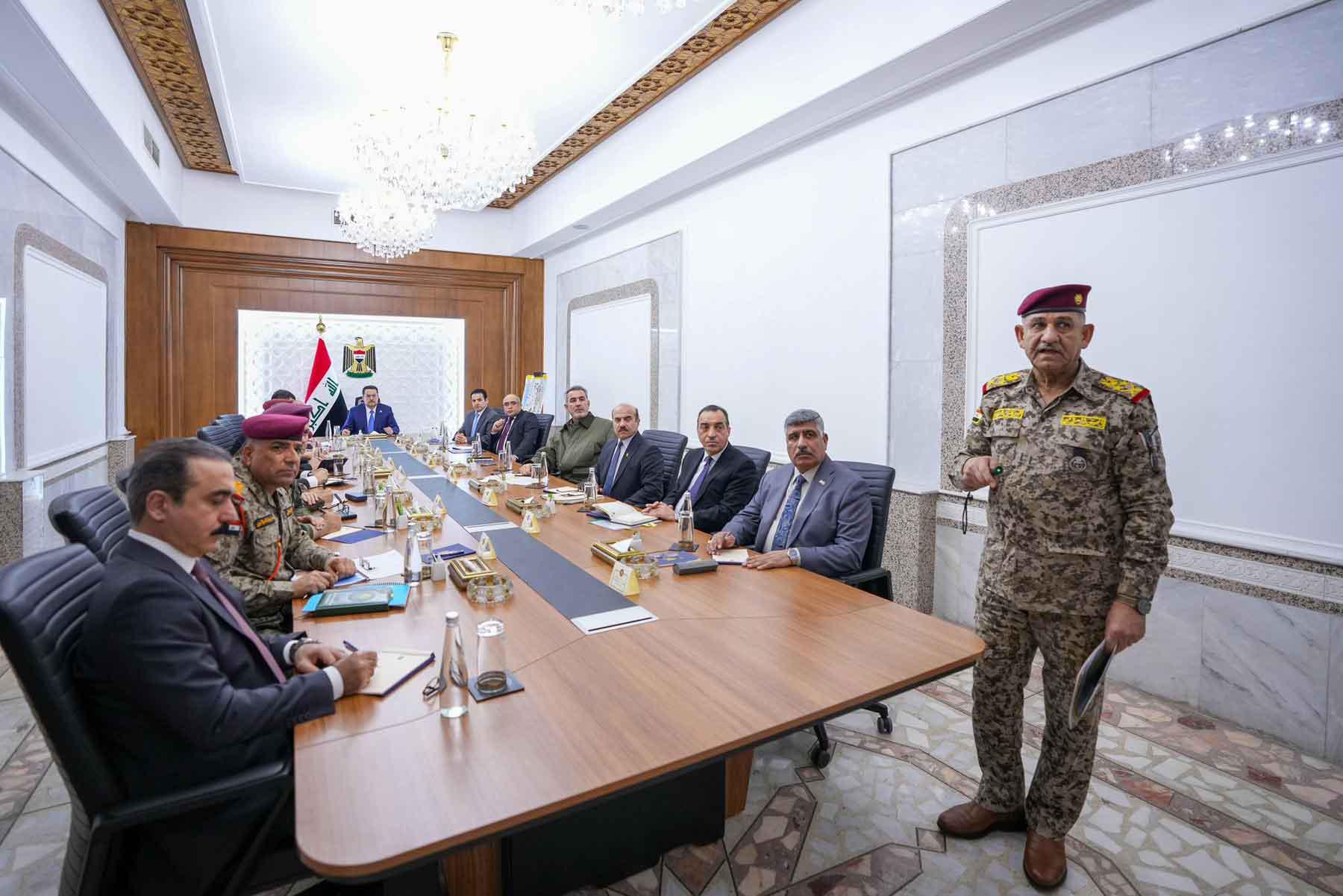
Security and military agencies brief the Iraqi government on developments along the Syrian border
BAGHDAD – As security tensions escalate rapidly across Syria, Iraq has stepped up political and security efforts to contain the situation, positioning itself as a mediator seeking to defuse growing friction between the Kurdish-led Syrian Democratic Forces (SDF) and troops loyal to Syrian President Ahmed al-Sharaa.
Baghdad’s moves reflect mounting concern that instability in northern Syria could spill across the shared border, with Iraqi officials increasingly wary of the potential fallout for domestic security. Chief among these fears are the possible escape of Islamic State (ISIS) militants from SDF-run detention facilities, as well as the prospect of new waves of Kurdish displacement towards Iraqi territory, particularly into the Kurdistan Region, placing additional humanitarian and security strains on the country.
Against this backdrop, Iraqi Prime Minister Mohammed Shiaa al-Sudani, who heads a caretaker government, held a phone call on Tuesday evening with SDF commander Mazloum Abdi, underscoring the need to prioritise dialogue at what he described as a sensitive and dangerous juncture.
According to a statement from Sudani’s office, the call focused on “discussing developments in Syria in light of recent security incidents and their repercussions for regional security and stability, as well as for the situation in Iraq.”
During the conversation, Sudani stressed “the necessity of entrenching dialogue at this critical stage in a way that guarantees the rights of all Syrian components, preserves the unity and security of the country, and prevents terrorists from escaping prisons and undermining security and stability in Syria, Iraq and the wider region.”
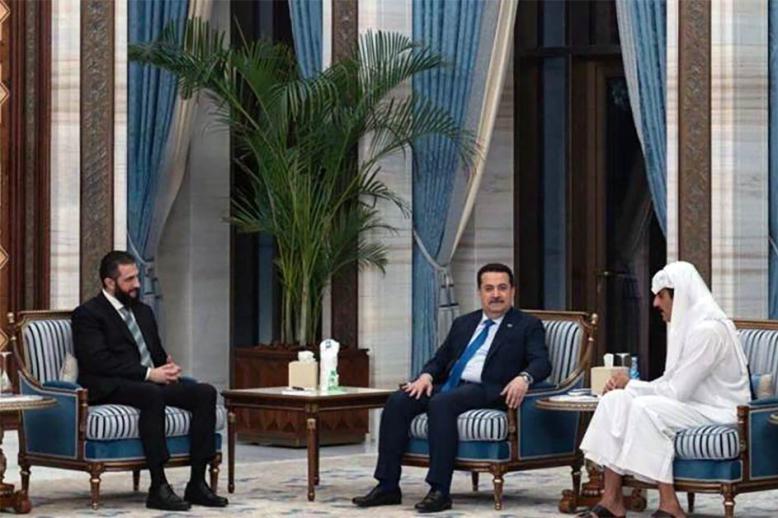
The outreach to Kurdish leaders followed a separate phone call earlier this week between Sudani and Sharaa, signalling Baghdad’s effort to maintain open and balanced channels with all influential Syrian actors.
In that conversation, Sudani reaffirmed Iraq’s “keenness to preserve Syria’s security and stability”, emphasising the importance of dialogue as a means of resolving crises, safeguarding the rights of all Syrians, and maintaining Syria’s territorial unity and state sovereignty.
Sharaa, according to the Iraqi statement, expressed his government’s commitment to securing the shared border with Iraq and praised Baghdad’s measures in this regard. He also pointed to the importance of strengthening bilateral coordination, particularly in the security sphere, to protect border areas, pursue remaining ISIS cells, and coordinate efforts to reopen border crossings between the two countries.
Observers say Iraq’s dual-track engagement reflects a calculated attempt to ease tensions between Kurdish forces and Damascus, driven by an acute awareness of the fragility of the situation. Any security breakdown, they warn, could create a vacuum for extremist groups to exploit or trigger fresh displacement flows towards Iraq’s northern frontier.
Alongside diplomatic efforts, Baghdad has moved to reinforce its military posture on the ground. On Tuesday evening, Sudani, in his capacity as commander-in-chief of the armed forces, issued a series of directives aimed at raising the readiness of Iraqi forces along the Syrian border. The orders included strict instructions to confront any attempt that could threaten border security, as well as ensuring full logistical and operational support for Kurdistan Region border guard forces.
The directives were issued during an emergency security meeting chaired by Sudani and attended by the foreign minister, senior military and security officials, representatives of the Kurdistan Regional Government in Baghdad and the chief of staff of the Peshmerga forces. The meeting focused on rapidly unfolding developments on the Syrian side of the border.
Sudani’s office quoted him as saying that “international borders, especially with neighbouring Syria, are fully secured, with our forces possessing a high level of capability to prevent any infiltration into Iraqi territory.”
The message was intended both as reassurance to the Iraqi public and as a signal that Baghdad considers national security a top priority, even as it works to prevent further deterioration of the crisis in neighbouring Syria.