

The Grand Ethiopian Renaissance Dam
Egypt demands compensation from Ethiopia for Nile water losses
Egyptian Water Minister says his country has been denied access to 38 billion cubic metres of its allocated 55 billion cubic metres of Nile water due to the Grand Ethiopian Renaissance Dam.
Wednesday 21/01/2026
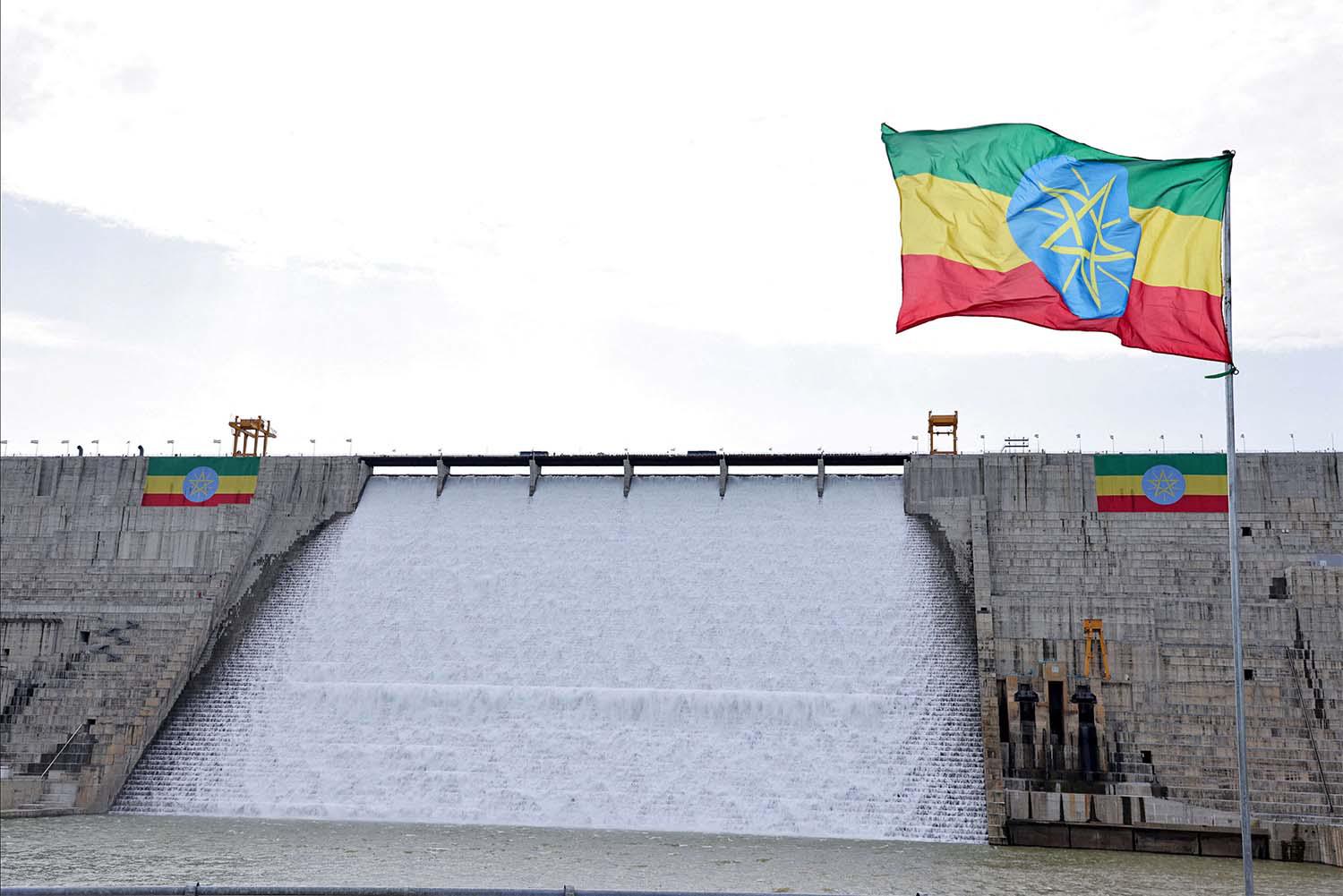
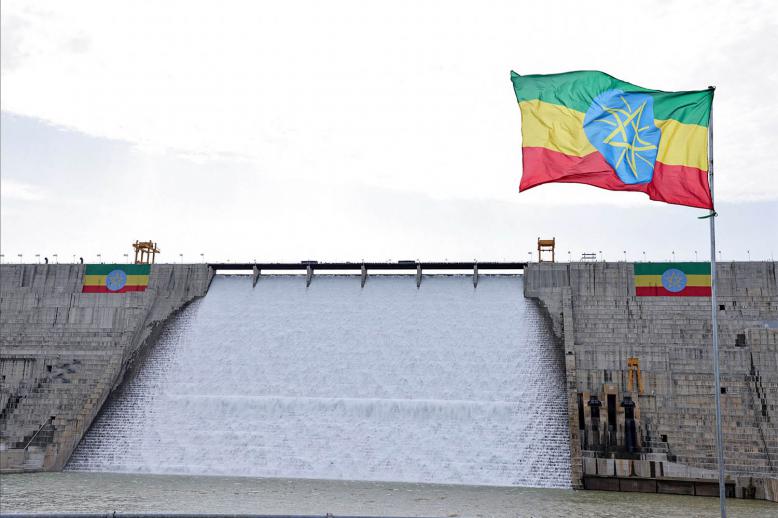
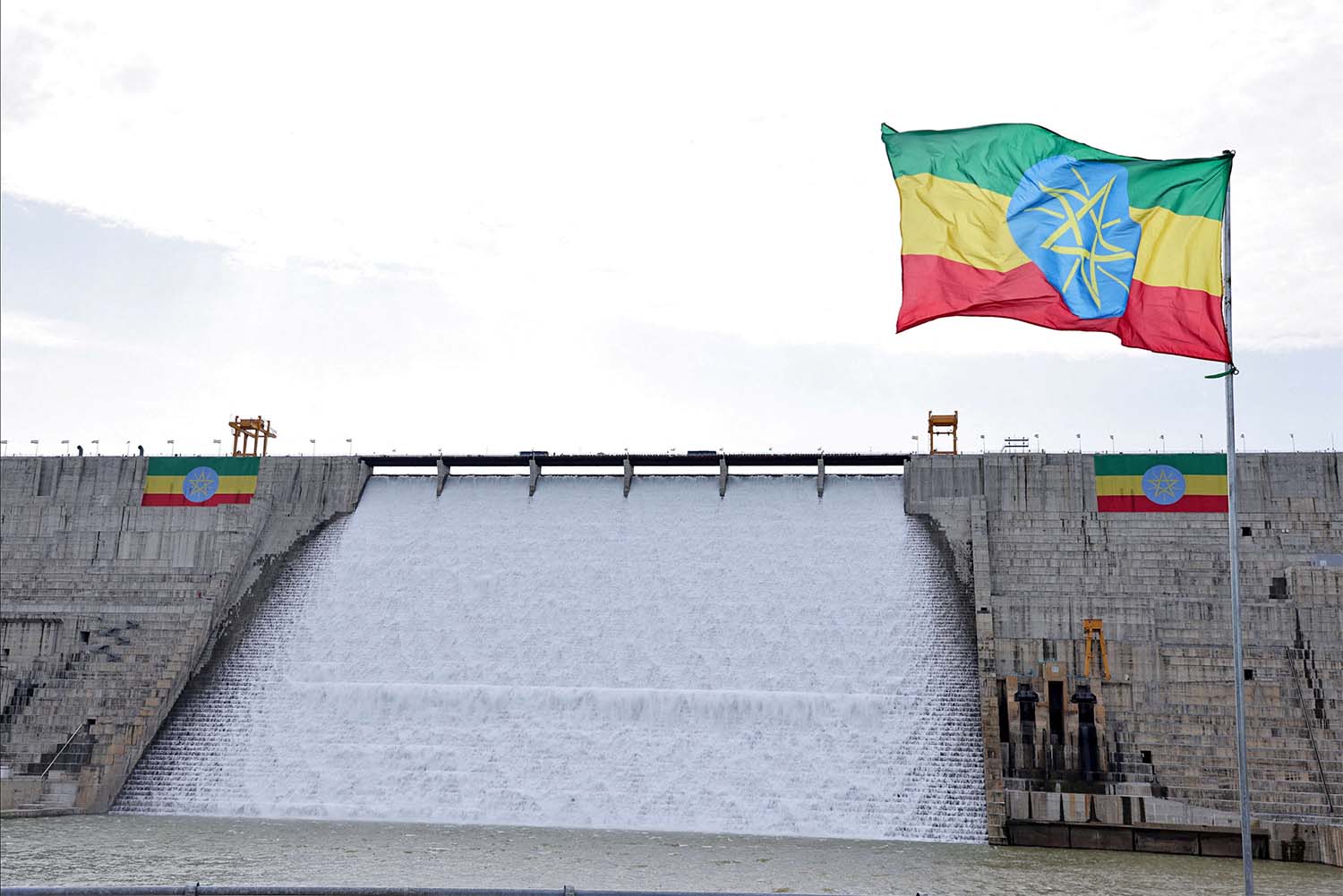
The Grand Ethiopian Renaissance Dam
CAIRO - Egypt's Water Minister Hany Sewilam has escalated rhetoric in the long-standing dispute over the Grand Ethiopian Renaissance Dam (GERD), asserting that Ethiopia should provide compensation to Egypt and Sudan for alleged damages caused by the dam's construction and operation on the Nile River.
Speaking during a session in the Egyptian Senate on Monday, Sewilam claimed that Egypt had been denied access to 38 billion cubic meters of its allocated 55 billion cubic meters of Nile water due to the GERD.
He described the dam's unilateral development as unprecedented, noting no similar structure had previously been built on the Nile without coordinated agreement among riparian states.
“Damage has been sustained because 38 billion cubic metres out of Egypt's share of 55 billion cubic metres had been denied, and the state's task was to shield citizens from the effects of the damage,” Sewilam stated, according to reports from Egyptian media and international outlets.
He explicitly demanded compensation to offset these losses, framing the issue as a matter of protecting citizens from the consequences of reduced water availability.
The comments come amid Egypt's heavy reliance on the Nile, which supplies approximately 97% of its freshwater needs for agriculture, industry, and domestic use.
With population growth and rising demand - now reportedly at 88.5 billion cubic meters annually - Egypt's per-capita water share has fallen sharply, approaching levels well below global scarcity thresholds.
The GERD, a massive hydropower project on the Blue Nile (which contributes the majority of the Nile's flow), has been a flashpoint since construction began over a decade ago.
Ethiopia views the dam as essential for energy generation, economic development, and poverty reduction, insisting it causes no significant harm downstream and has even helped regulate flows to reduce flooding risks in Sudan.
Ethiopian officials have repeatedly rejected claims of unilateral harm, pointing out that the Blue Nile originates in Ethiopia's highlands and that downstream nations have historically benefited from Ethiopian waters without reciprocal arrangements.
Sudan, while acknowledging potential benefits from the GERD for irrigation and electricity, has expressed concerns over flooding risks from reservoir releases and sediment management.
However, Sewilam's call for compensation directed at Ethiopia - and implicitly involving Sudan as a co-beneficiary of any award - marks a notable shift in Egypt's public positioning, moving from demands for binding agreements on filling and operation to explicit financial redress.
The statement follows recent diplomatic overtures, including US President Donald Trump's renewed offer to mediate the dispute, which Egypt and Sudan have welcomed.
Egypt has historically invoked colonial-era agreements to assert "historical rights" to Nile waters, a position Ethiopia and other upstream states dismiss as outdated and inequitable.
Analysts see Sewilam's remarks as part of broader efforts to pressure Ethiopia amid stalled trilateral talks and the dam's full commissioning in recent years. Enforcement of any compensation claim would face significant hurdles under international law, particularly the principle of equitable and reasonable utilization enshrined in frameworks like the UN Watercourses Convention - though neither Egypt nor Ethiopia is a party to it.
The renewed escalation highlights the persistent tensions in the Nile Basin, where competing national interests over a shared resource continue to challenge regional stability and cooperation.