

Overreach
Turkish foreign minister’s PKK remarks spark tensions with Iraq
The Iraqi government faces criticism for a perceived “worrisome silence” or reliance on “soft diplomacy” in response to Turkey’s increasing military incursions.
Wednesday 11/02/2026
Overreach
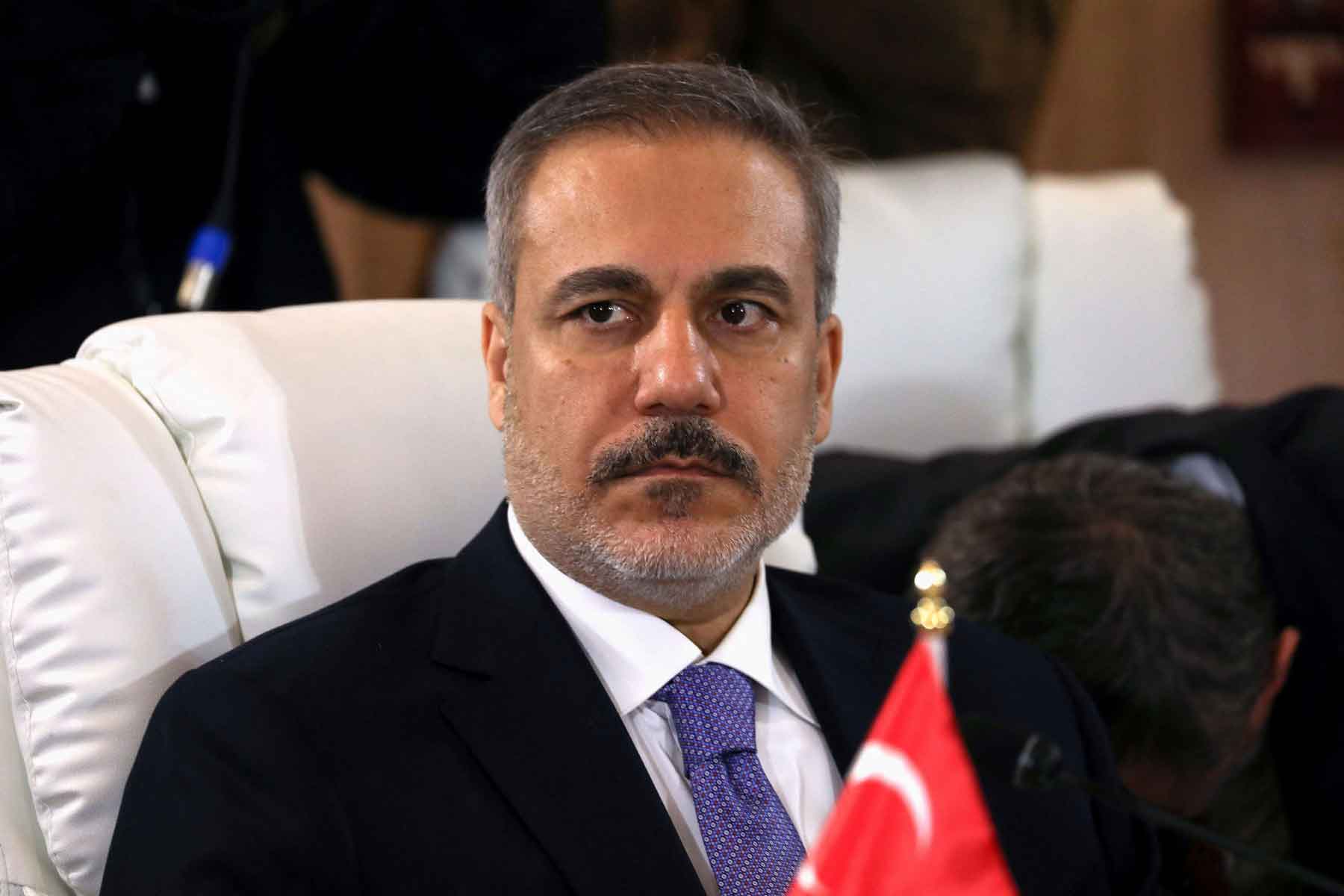
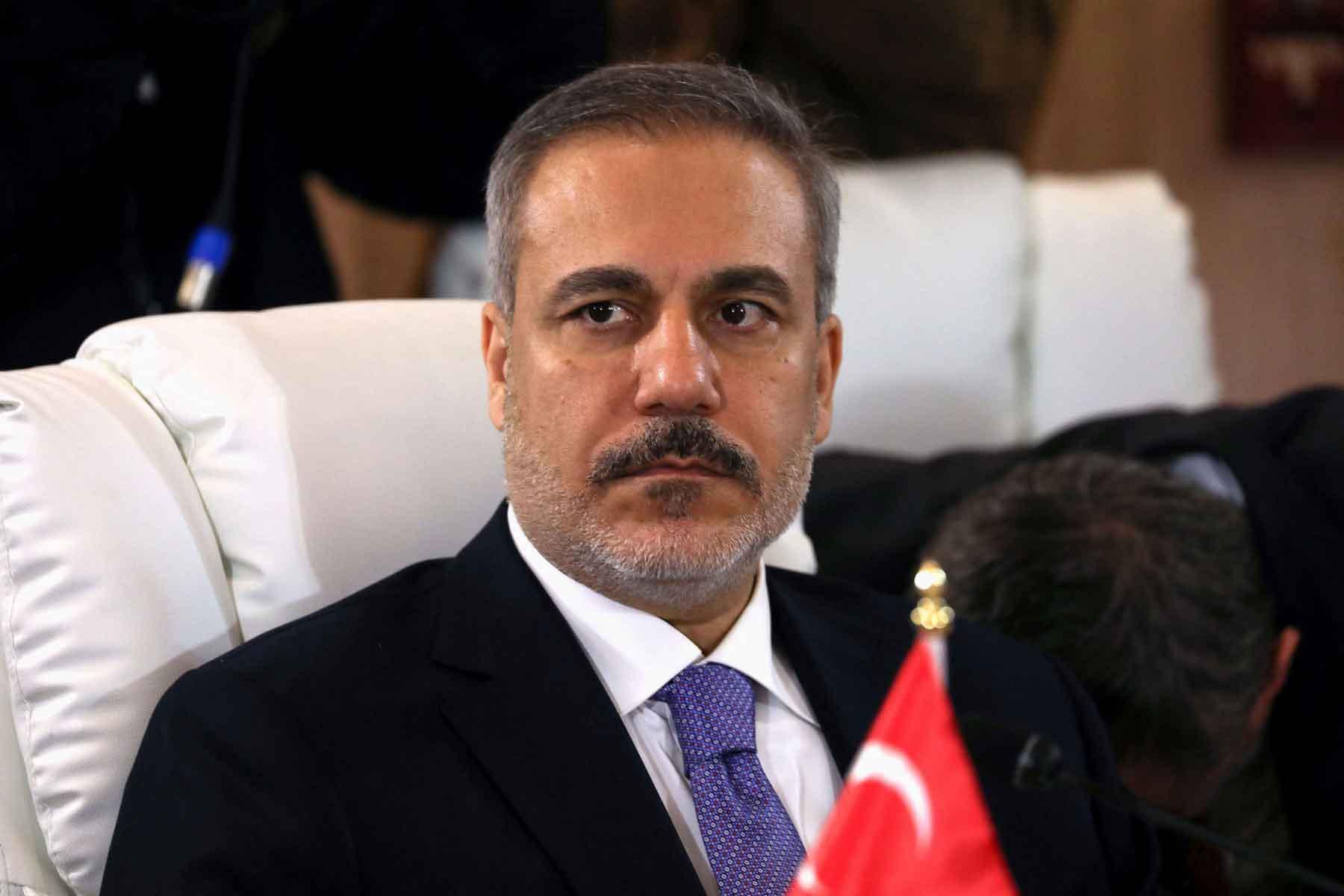
BAGHDAD – Iraq voiced strong objections to statements made by Turkish Foreign Minister Hakan Fidan, who suggested the possibility of military action to eliminate the Kurdistan Workers’ Party (PKK) presence in northern Iraq. Baghdad described the remarks as a serious affront to bilateral relations, evoking memories of Ankara’s historical pressure on Iraq to engage in direct confrontations with the PKK.
The Iraqi Ministry of Foreign Affairs issued an official statement announcing the summoning of the Turkish ambassador to Iraq Anil Bora Inan following Fidan’s televised interview on February 9. Iraq's Deputy Foreign Minister Mohammed Hussein Bahr Al-Uloom conveyed Baghdad’s “extreme displeasure,” labelling the comments as “an interference in Iraq’s internal affairs and a blatant breach of diplomatic norms.”
In the interview, Fidan stirred controversy by asserting, “The Iraqi government should learn from Syria’s experience and assert its control over its entire territory. After Syria comes Iraq, and we will go there too.”
Iraq responded firmly, emphasising that it is a “state of institutions and a democratic system” that cannot be compared to other regimes. Baghdad stressed that the situation in Sinjar is “an entirely domestic matter,” managed through Iraqi mechanisms without foreign interference.
In an attempt to ease tensions, ambassador Inan offered clarifications, citing two points: that Fidan’s statements had been misunderstood due to a mistranslation, and that the reference was solely to PKK elements. He reiterated Turkey’s respect for Iraq’s sovereignty and promised to convey Baghdad’s concerns to Ankara.
Historically, Turkey has sought to transform Iraq from a “concerned observer” into an “active military partner” in its campaign against the PKK, which Ankara classifies as a terrorist organisation. These pressures have taken multiple forms, including linking vital issues such as water management and development projects to Iraq’s cooperation on security matters.
Over the past years, Turkey has conducted several military operations in northern Iraq, including Operation Claw-Lock (Al-Mikhlab-Al-Qifl), citing Baghdad’s failure to sufficiently secure the border. Ankara has long pushed for the PKK to be officially designated a terrorist organisation, to which Baghdad recently responded partially by classifying it as a “prohibited organisation.” However, Turkey aims for more, including the possibility of joint military operations.
Iraq now faces a delicate position. On one hand, it rejects the use of its territory as a launchpad for attacks on neighbouring states. On the other, it resists turning cities such as Sinjar into arenas for regional disputes or yielding to Turkish military directives that could threaten domestic stability and violate national sovereignty.
This latest sharp response indicates Baghdad’s growing impatience with what it perceives as Turkey’s overreach, extending beyond security coordination to what is seen as “political guidance,” putting the future of economic and security cooperation under serious scrutiny.
The Iraqi government faces criticism for a perceived “worrisome silence” or reliance on “soft diplomacy” in response to Turkey’s increasing military incursions. Observers note that official reactions often remain confined to statements of condemnation and ambassadorial summons, without implementing tangible deterrent measures on the ground.
Analysts argue that Iraq’s reliance on diplomatic protest underscores its limited military capacity to secure the rugged northern border, effectively allowing Turkey to continue its operations with little fear of local retaliation.
Activists and politicians have called for leveraging the bilateral trade relationship, valued at over $20 billion annually, to pressure Ankara. However, the government hesitates, concerned about potential harm to the domestic economy, heavily reliant on Turkish imports.
While the Iraqi Foreign Ministry condemns these violations, occasional Turkish statements hinting at “coordination” or “understanding” with Baghdad have sparked public suspicion of undeclared agreements granting Ankara implicit freedom of action.