

Non-negotiable
Iran marks revolution, stands firm on missile programme
President Masoud Pezeshkian stressed in a speech at Azadi Square that Iran would not yield to what he described as “excessive demands” from Washington.
Wednesday 11/02/2026
Non-negotiable
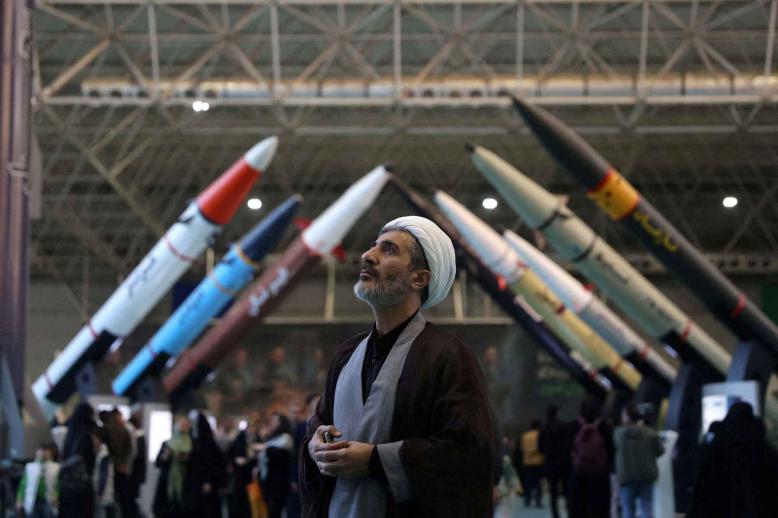
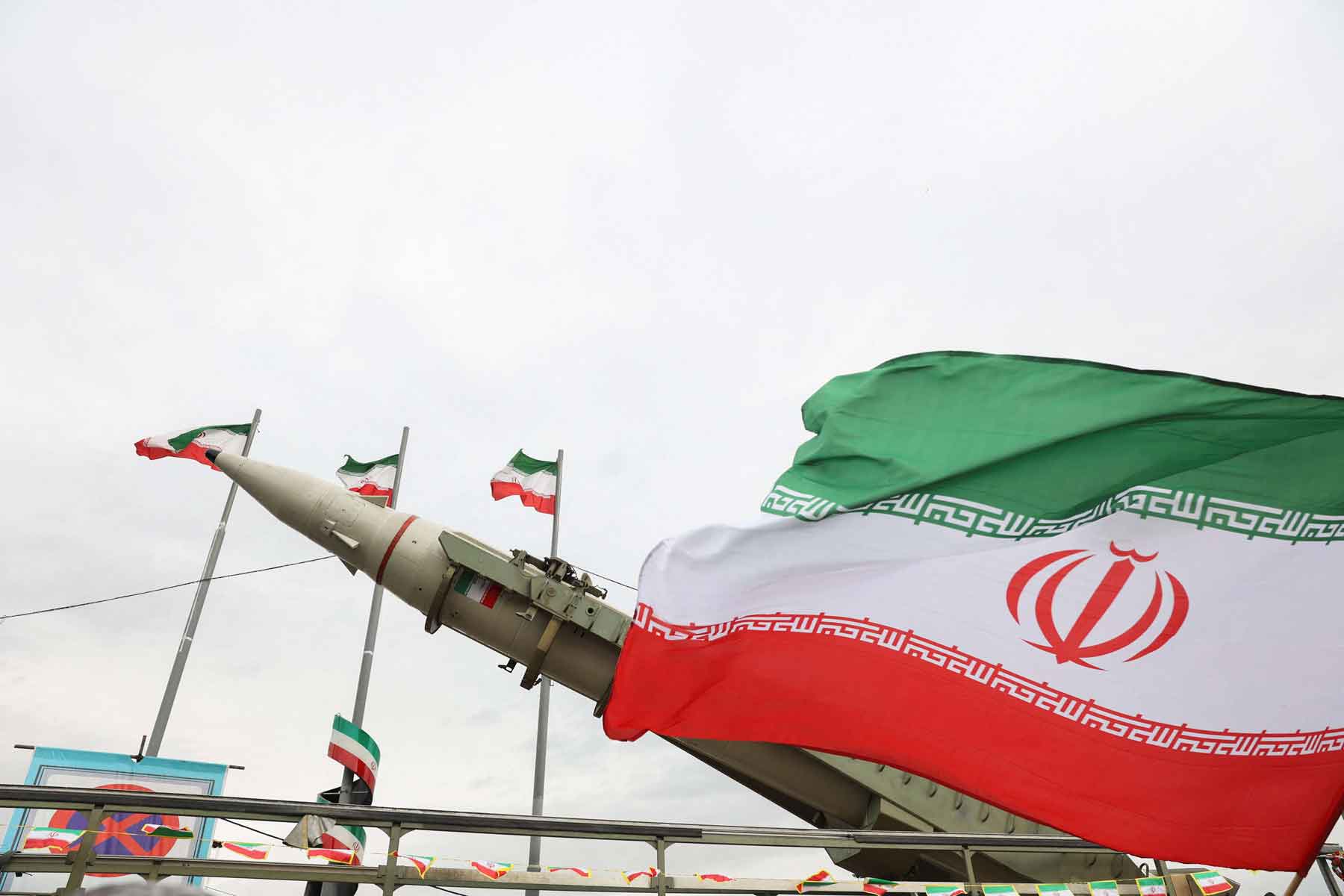
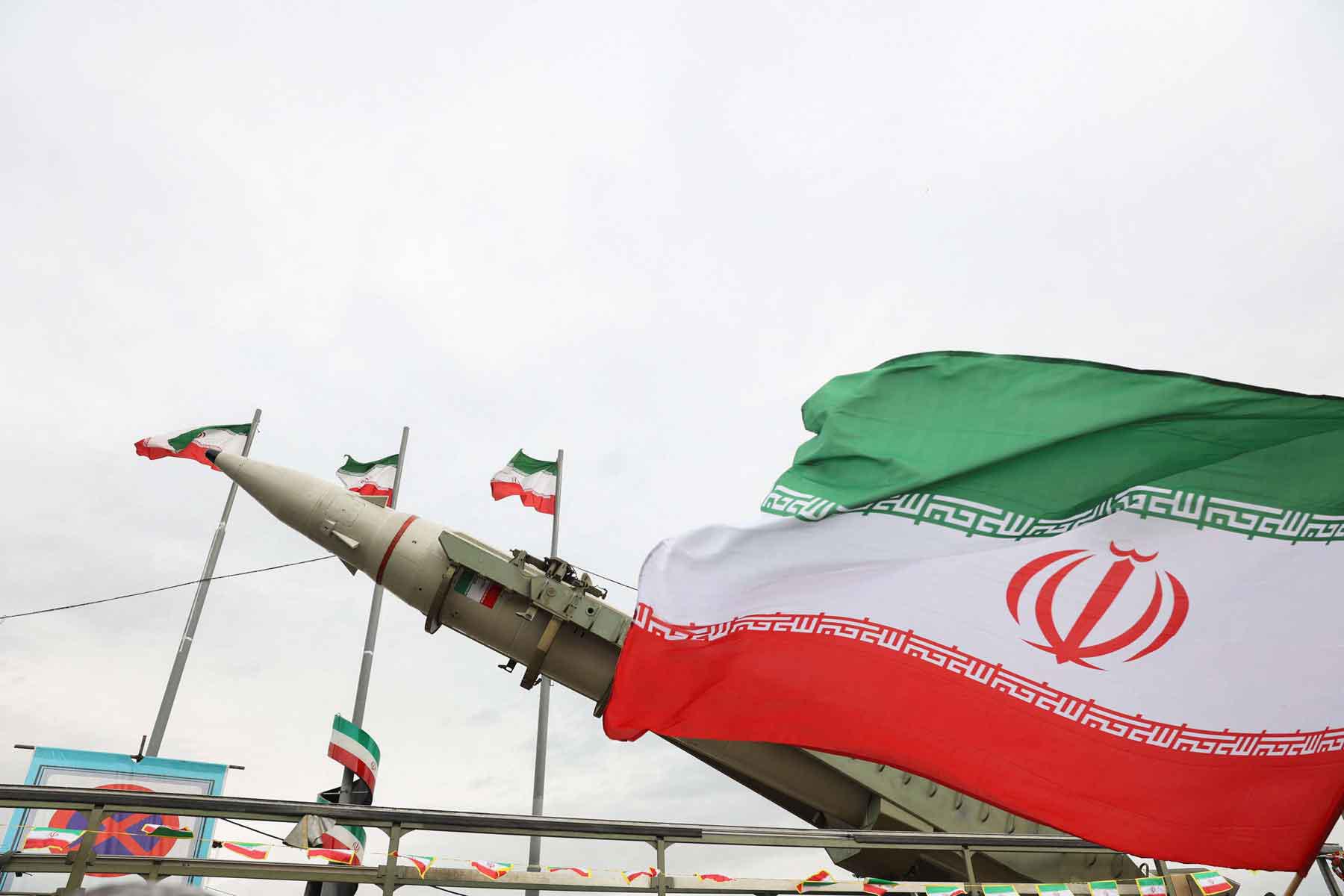
TEHRAN – Iran reaffirmed its uncompromising stance on its missile programme on Wednesday, even as the country commemorated the 47th anniversary of the 1979 Islamic Revolution against a backdrop of escalating US-Iran tensions and renewed domestic unrest.
“The Islamic Republic’s missile capabilities are non-negotiable,” Ali Shamkhani, an adviser to Supreme Leader Ayatollah Ali Khamenei, declared during a march in Tehran, according to state media. Shamkhani’s remarks came amid indirect US-Iran talks held last week in Oman aimed at averting military conflict in the Gulf.
US officials have long sought to link discussions on Iran’s nuclear programme to its ballistic missile capabilities, but Tehran has repeatedly ruled out such negotiations. Iranian Foreign Minister Abbas Araghchi told reporters that missiles “have never been on the agenda” of diplomatic talks.
The US approach is further complicated by Israel’s Prime Minister Benjamin Netanyahu, who is due to meet President Donald Trump in Washington on Wednesday to press for any agreement with Tehran to include strict limitations on its missile arsenal.
Meanwhile, President Masoud Pezeshkian stressed in a speech at Azadi Square that Iran would not yield to what he described as “excessive demands” from Washington.
“Our Iran will not yield in the face of aggression, but we are continuing dialogue with all our strength with neighbouring countries to establish peace and tranquillity in the region,” he said, asserting the peaceful nature of Iran’s nuclear programme and welcoming any verification by international inspectors.
The celebrations, however, were overshadowed by domestic dissent. Protesters across Tehran and other cities renewed anti-government chants from the balconies of residential blocks, defying the regime’s ongoing crackdown, which human rights groups say has left thousands dead.
According to the US-based Human Rights Activists News Agency (HRANA), 6,984 people, including 6,490 protesters, have been killed, and at least 52,623 arrested since the unrest began. Many recent detainees include figures from the reformist movement who supported Pezeshkian’s 2024 election campaign.
On the diplomatic front, Iran’s supreme national security council chief Ali Larijani followed up on the Oman talks with meetings in Qatar, one of the Gulf states acting as a mediator, where he discussed ways to prevent escalation and promote dialogue.
A phone call between Qatar’s Emir Sheikh Tamim bin Hamad Al Thani and President Trump further emphasised “international efforts aimed at de-escalation and strengthening regional security and peace,” according to the royal court.
The US has maintained a heightened military presence in the region, including mobile Patriot missile systems in Qatar, amid repeated threats from Trump of strikes against Tehran over its nuclear programme, ballistic missile development, support for allied groups in the Middle East, and treatment of domestic dissent.
Satellite images have shown an increase in aircraft and military equipment across US bases in the Gulf, signalling readiness for rapid deployment in the event of conflict.
As Iran continues to balance defiance abroad with the management of widespread protests at home, the anniversary of the revolution highlighted the dual pressures facing the regime: maintaining sovereignty and deterrence in the face of external threats, while addressing the ongoing domestic challenge of public dissent and international scrutiny over human rights violations.