

Hoping for active diplomatic engagement
Turkey, Qatar aim to boost regional role with joint mediation efforts
The discussions on mediation may be seen as a further step in building a political partnership that extends beyond conventional interests to include substantive roles in crisis management.
Wednesday 11/02/2026
Hoping for active diplomatic engagement
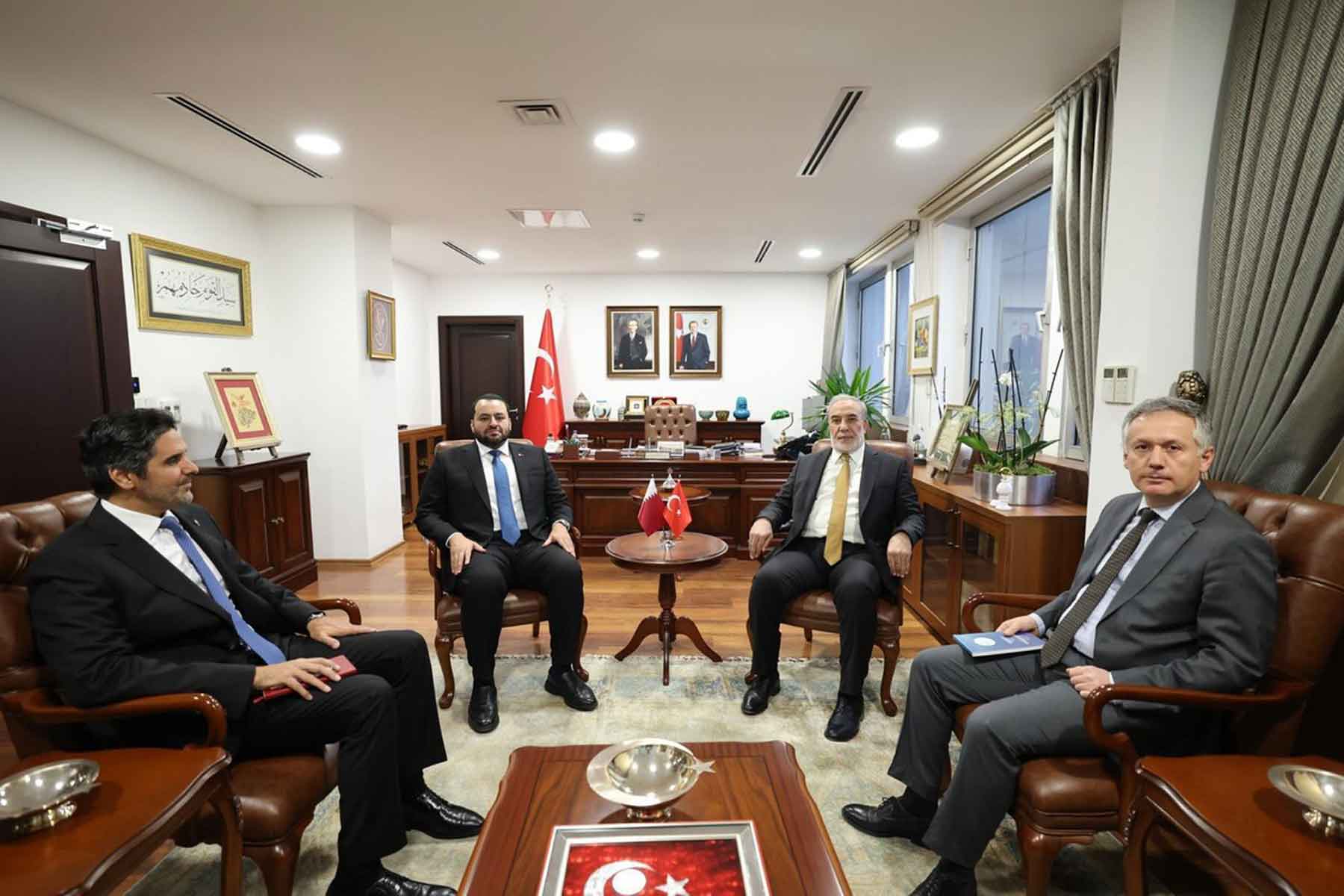
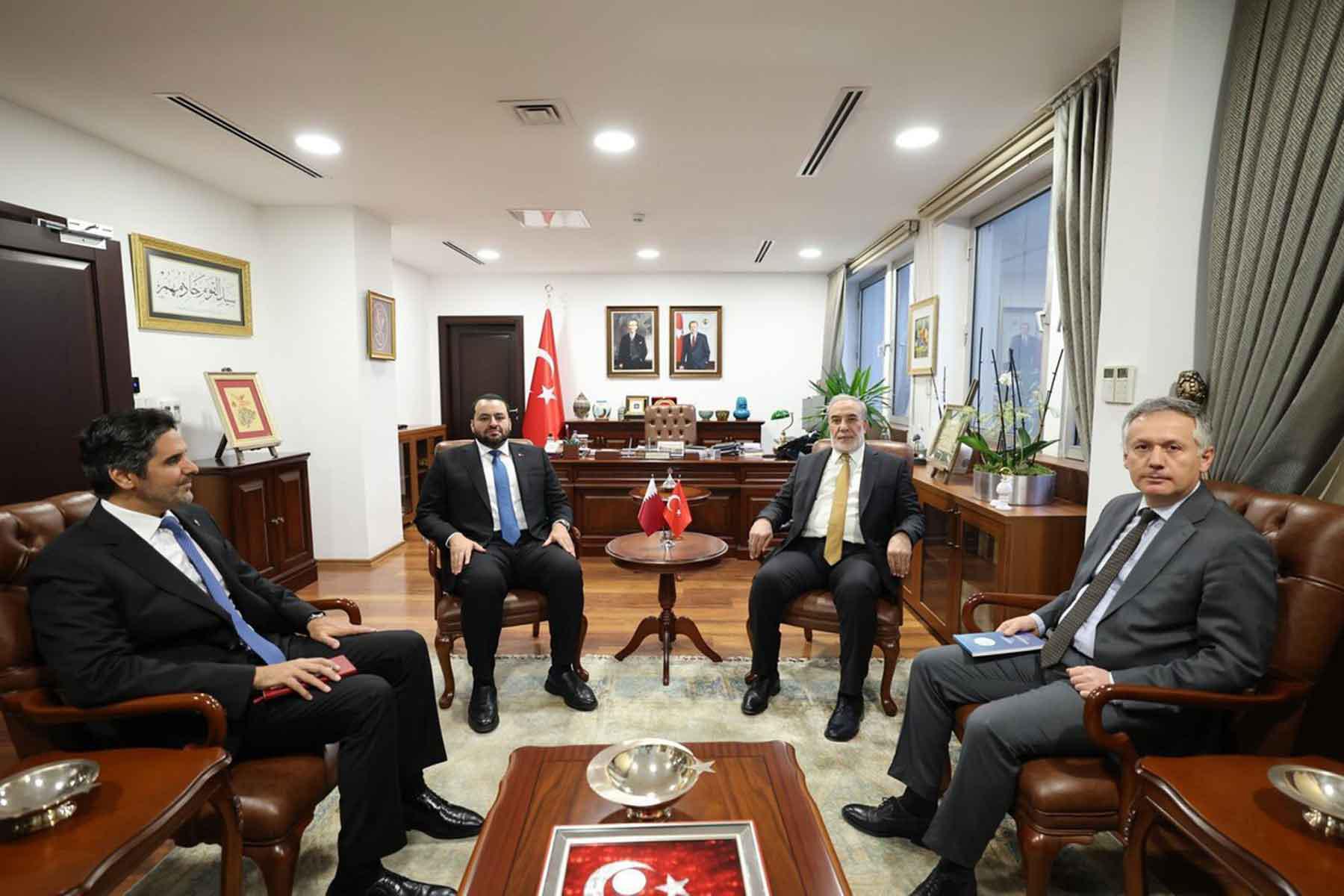
ANKARA/DOHA – Turkey and Qatar held an official meeting in Ankara on Tuesday to discuss enhancing bilateral cooperation in mediation and peaceful conflict resolution, signalling the growing diplomatic role of both countries in regional and international de-escalation efforts.
The meeting reflects the deepening partnership between the two nations, which has strengthened in recent years, particularly following the end of the Gulf rift that culminated in a reconciliation restoring warmer relations between Doha and key Gulf states, including Egypt, Saudi Arabia, the UAE and Bahrain. Cooperation has focused on sensitive regional issues, notably the Iranian and Syrian dossiers.
The discussions were held between Turkish Deputy Minister of Foreign Affairs Mehmet Kemal Bozay and Qatar’s Minister of State for Foreign Affairs Mohammed bin Abdulaziz Al-Khulaifi. Observers note that the meeting comes amid an increasingly complex regional and international environment, where flexible diplomatic actors capable of managing crises and opening dialogue channels are in high demand. Analysts see the meeting as part of a wider strategy by Ankara and Doha to consolidate their influence as credible regional mediators.
These consultations are especially significant against the backdrop of rapidly evolving conflicts across the Middle East and a host of international crises that require mediators with both political credibility and balanced relations with diverse actors.
Turkey and Qatar have emerged in recent years as key players with tangible experience in mediation. Both countries have leveraged extensive networks and long-standing engagement with various Islamist movements to facilitate communication with actors of differing agendas. However, their involvement has occasionally drawn international criticism and accusations of links to extremist groups, including branches of al-Qaeda.
Turkey, by virtue of its geopolitical position and political weight, has consistently sought a conciliatory role in regional and global issues, combining active diplomacy with direct engagement in sensitive matters. Qatar, meanwhile, has established itself as a trusted mediator in complex crises, relying on a foreign policy grounded in dialogue, openness, and the ability to bring together parties often difficult to convene. The Afghan crisis remains a notable example of this nuanced approach.
The Ankara meeting underscores a shared understanding that joint efforts in mediation are often more effective than unilateral initiatives, particularly given the interconnected nature of regional conflicts and the multiplicity of international and regional stakeholders. The Turkish-Qatari coordination could foster unified approaches, facilitate the exchange of expertise, and develop shared mechanisms for preventive diplomatic intervention, reducing the risk of disputes escalating into open conflict.
Moreover, the dialogue reflects a broader strategic commitment by both countries to position peaceful solutions at the centre of their foreign policy, contrasting with approaches that rely on escalation or force. This comes at a time when the influence of multilateral institutions is perceived to be waning, leaving space for regional and bilateral initiatives to fill the diplomatic vacuum.
Observers note that the meeting carries political significance beyond the bilateral sphere, signalling that Ankara and Doha seek to reinforce their status as influential diplomatic actors capable of contributing to stability in troubled regions. It also demonstrates their intent to leverage international relationships in support of de-escalation efforts, enhancing their reputation as reliable partners in peace initiatives.
The Turkish-Qatari discussions on mediation may be seen as a further step in building a political partnership that extends beyond conventional interests to include substantive roles in crisis management. As regional and global complexities persist, this cooperation is expected to expand, forming a cornerstone of both countries’ active diplomatic engagement in the months ahead.