


Egypt remains an unavoidable actor in any eventual political settlement
Sudan’s Ta’sis alliance rejects Egypt’s mediation amid deep distrust
In a statement, Ta’sis accused Egypt of failing to act as an “impartial mediator,” alleging that it has supplied the Sudanese army with weapons, equipment, and ammunition.
Tuesday 03/02/2026
Egypt remains an unavoidable actor in any eventual political settlement
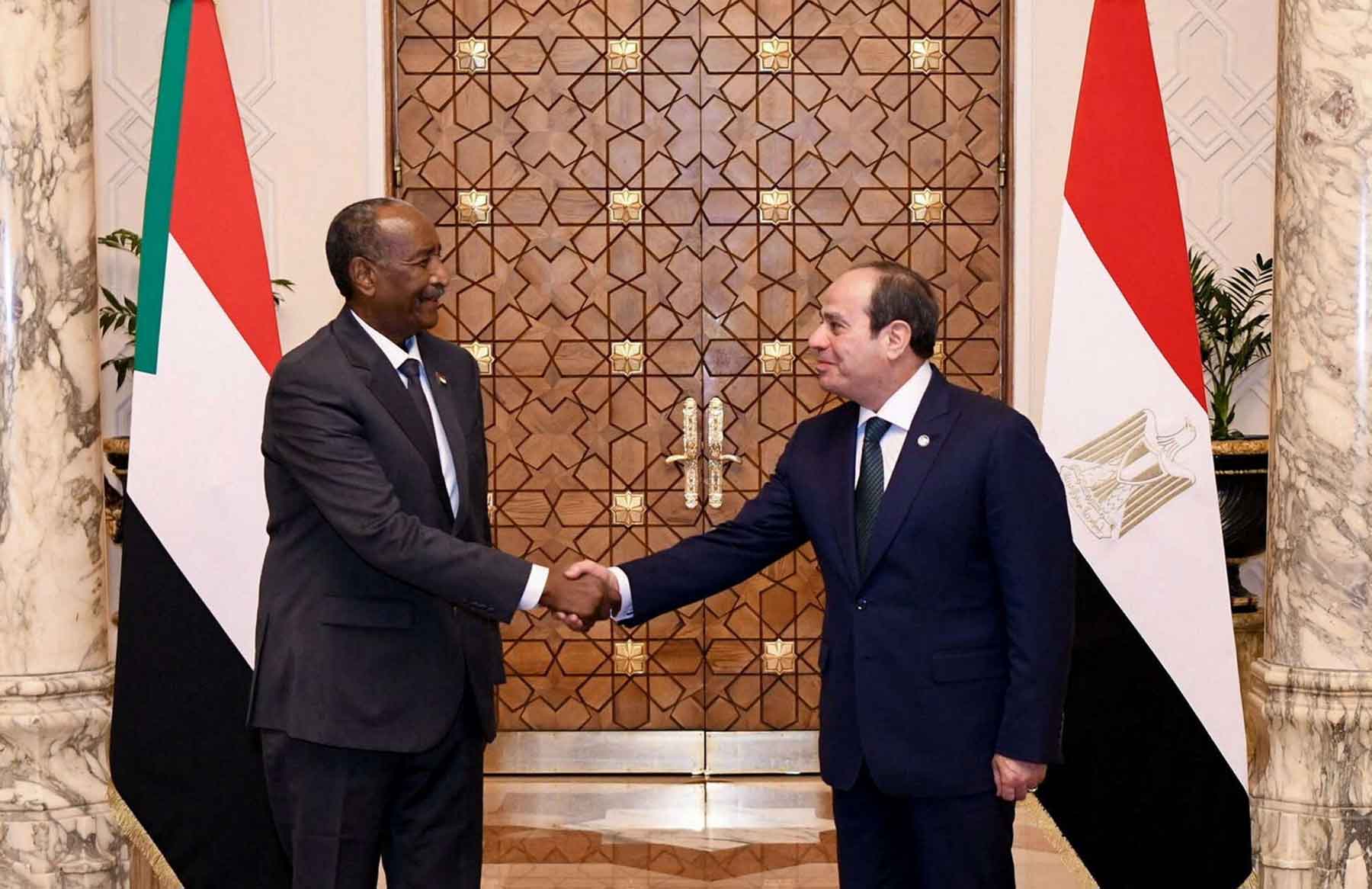
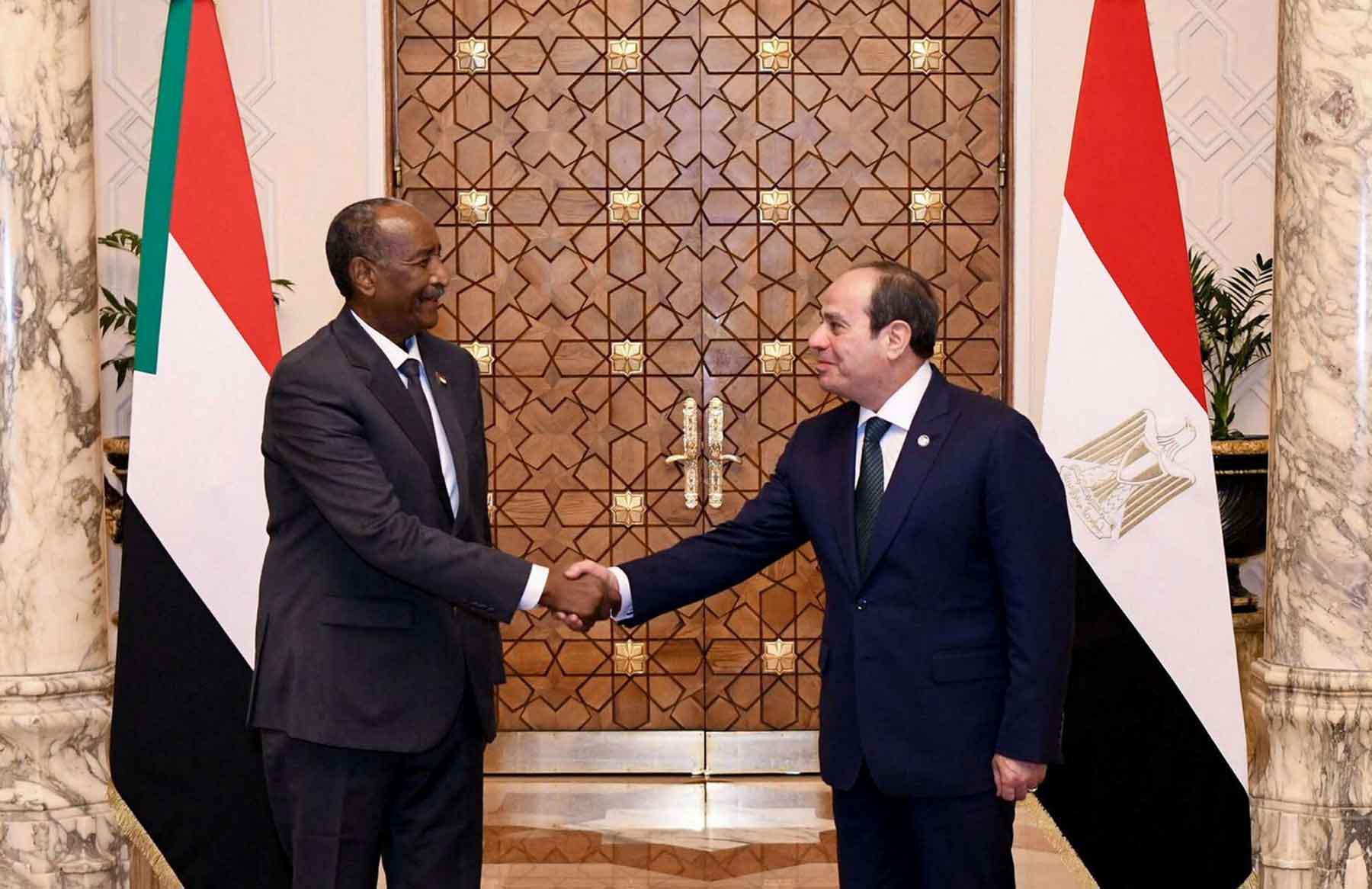
KHARTOUM/CAIRO – Sudan’s civil-political coalition, Ta’sis, has openly rejected Egyptian efforts to mediate an end to the country’s ongoing conflict, highlighting deep-seated mistrust of Cairo’s role in the crisis. Analysts say the refusal reflects concerns over Egypt’s long-standing ties with Sudanese military chief and Sovereignty Council leader Abdel Fattah al-Burhan, which the coalition views as compromising Cairo’s neutrality.
In a statement, Ta’sis accused Egypt of failing to act as an “impartial mediator,” alleging that it has supplied the Sudanese army with weapons, equipment and ammunition, effectively strengthening one side while undermining others. The alliance also raised sensitive humanitarian issues, claiming that Egyptian authorities handed fleeing Sudanese over to the army and pressured some into participating in military operations, a charge Egypt denies, asserting its compliance with international conventions for the protection of refugees.
The coalition argues that Cairo’s current involvement obstructs other regional initiatives, such as those led by the Intergovernmental Authority on Development (IGAD) or the Jeddah Platform, by pushing an agenda aligned with the army’s interests rather than a balanced settlement.
From Cairo’s perspective, analysts note, the approach to Sudan is framed as a matter of “national security,” with the Sudanese armed forces considered the only legitimate institution capable of maintaining the country’s unity and preventing state collapse. Egyptian officials reportedly fear scenarios of partition or the emergence of ungoverned zones, which could threaten Egypt’s southern border, water security and regional stability.
Founded last year, the Ta’sis coalition brings together political parties, splinter armed groups, and community leaders positioning themselves as an alternative to Sudan’s traditional elites. It openly advocates dismantling the “State of 1956,” a term used to describe Sudan’s post-independence centralised governance, and demands greater rights for historically-marginalised regions including Darfur, Kordofan and the Blue Nile.
The alliance has also called for the dissolution of the current armed forces and the creation of a professional national army, aligning closely with the vision of the Rapid Support Forces (RSF). Ta’sis views the existing army as “captured” by the Muslim Brotherhood and opposes negotiations that would return the situation to the status quo preceding April 15, 2023.
Despite Ta’sis’s accusations, Egypt remains an unavoidable actor in any eventual political settlement, given its geographical and historical ties to Sudan. Yet the current impasse illustrates the depth of mistrust: RSF-affiliated forces and their allies see Cairo-sponsored talks as inherently biased, likely to favour their opponents.
Observers argue that Ta’sis’s rejection of Egyptian mediation is not merely symbolic. It signals a strategic attempt to neutralise regional powers backing the army and to seek international frameworks that would recognise the RSF as an equal partner rather than a “rebellious faction.”
The war, now approaching its third year, is one of the most destructive in modern African history. Its toll extends beyond battlefield casualties, devastating Sudan’s infrastructure, social fabric, and economy. United Nations and international estimates indicate tens of thousands killed and over 11 million displaced, with more than half of the population, around 25 million people, facing severe food insecurity.
The conflict has shifted from armed struggle to systemic state collapse. Each day without a political settlement increases the cost of reconstruction, now estimated in the hundreds of billions of dollars, while decades will be needed to address the social and psychological consequences of the war.