


A 15-episode series
Egyptian Ramadan series on Gaza crisis ignites firestorm on social media
Supporters of “Sahab al-Ard” series praise the production for shining a spotlight on Palestinian suffering while critics accuse the filmmakers of exploitation and insensitivity.
Wednesday 04/02/2026
A 15-episode series
CAIRO - An Egyptian television drama set to air during the holy month of Ramadan 2026 has sparked intense online debate, highlighting the sensitivities surrounding artistic representations of the ongoing crisis in Gaza.
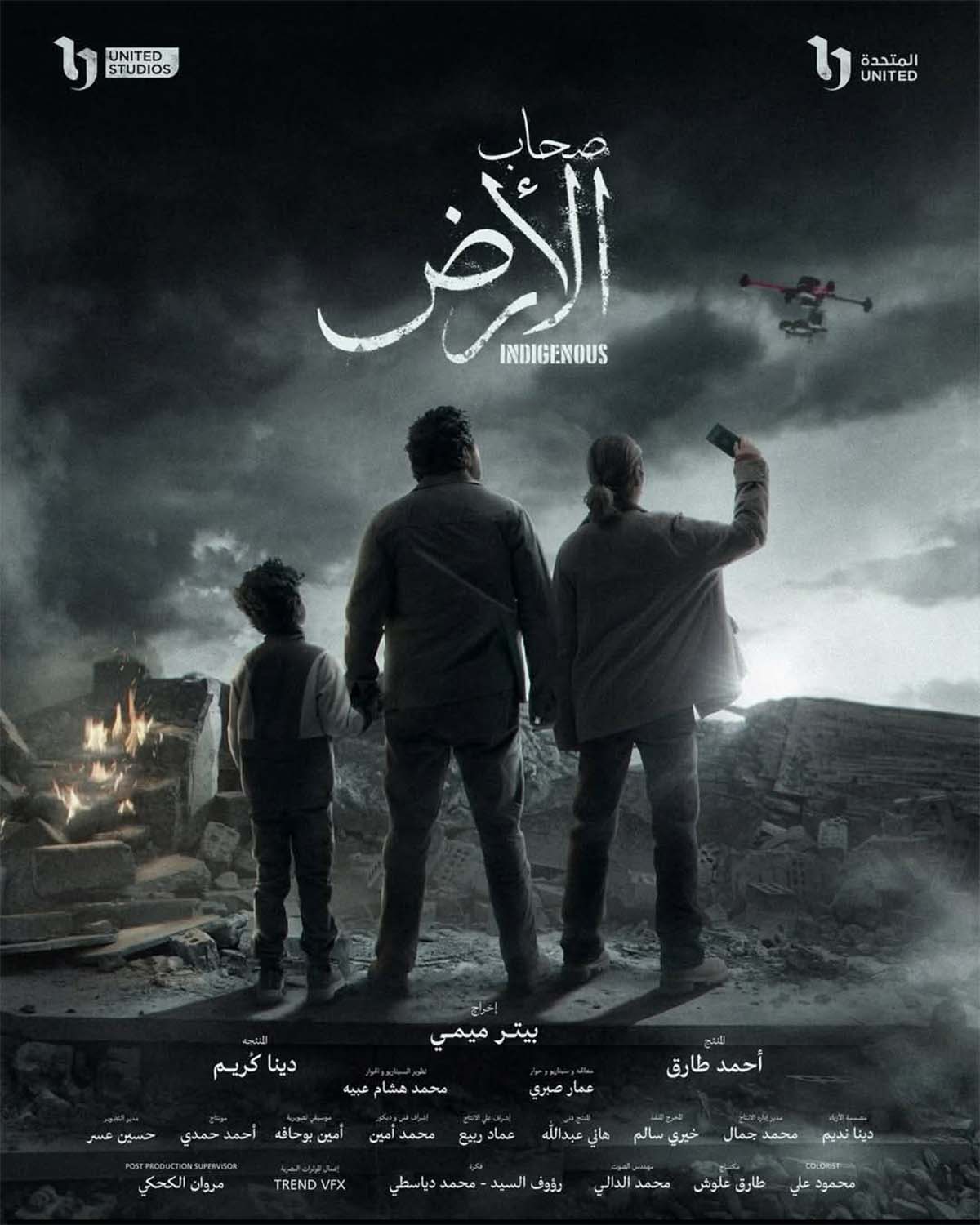
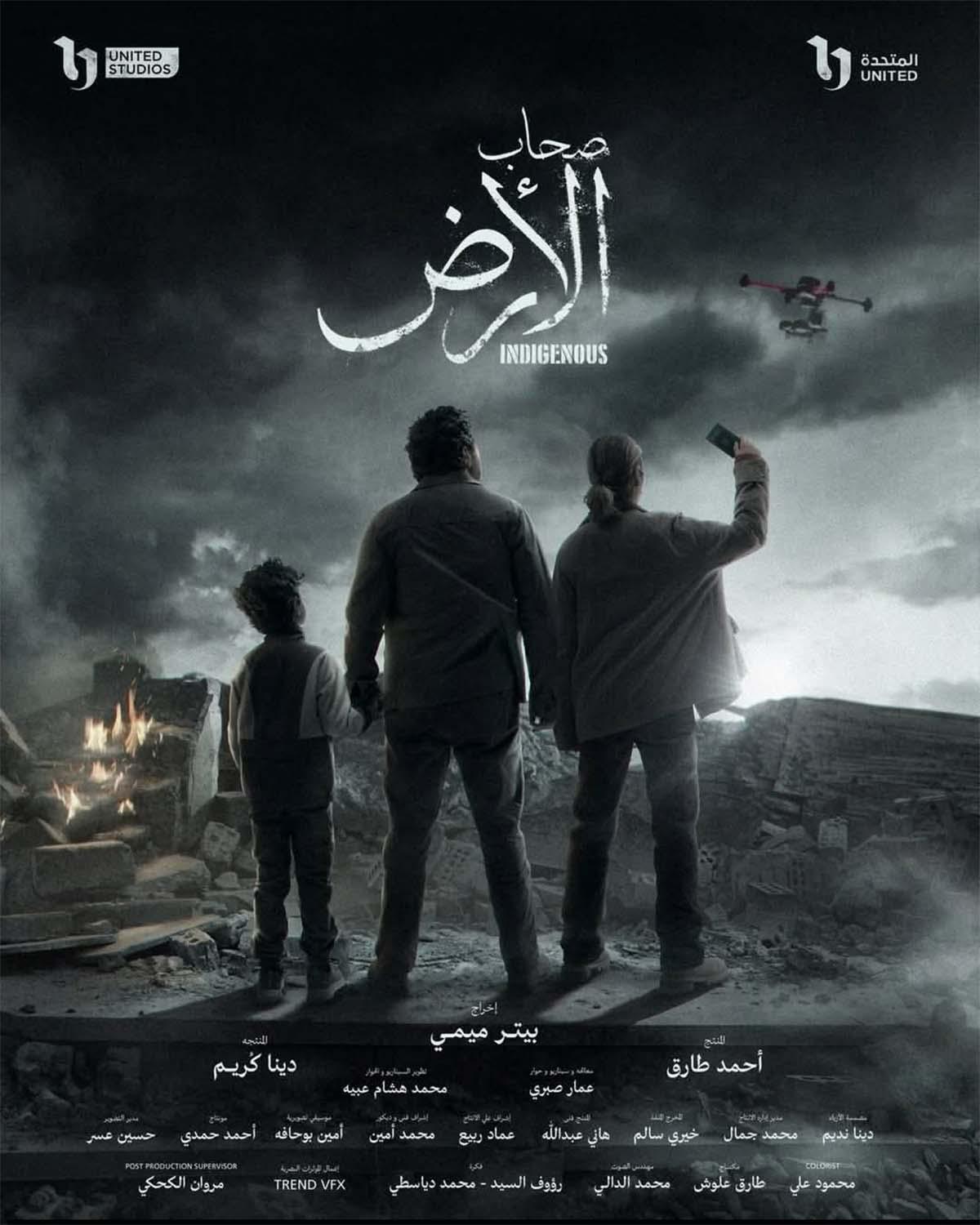
Titled Sahab al-Ard (Indigenous), the 15-episode series follows members of an Egyptian medical delegation dispatched to the Gaza Strip amid Israel's military campaign in the Palestinian enclave, which many describe as genocide.
The narrative weaves interconnected human stories of resilience, survival, and hope in the face of devastation.
At its core is a poignant love story that unfolds against the backdrop of war: an Egyptian doctor, portrayed by acclaimed actress Menna Shalaby, navigates extreme humanitarian conditions in a besieged hospital in the Palestinian enclave, while Jordanian actor Eyad Nassar plays a Palestinian man grappling with duty, fear, and the desperate fight to save his son under heavy bombardment. Their paths cross in a moment of profound human connection, emphasizing themes of endurance and shared humanity.
Directed by Peter Mimi and produced by United Media Services, the series is positioned as a powerful Palestinian story brought to Arab screens during Ramadan, traditionally a peak season for family viewing and dramatic storytelling across the region.
Promotional materials released in late January 2026, including an official trailer, promised an emotionally charged exploration of how hope becomes a tool for survival amid unrelenting horrors.
The trailer’s debut ignited a firestorm on social media platforms. Supporters praised the production for shining a spotlight on Palestinian suffering, humanizing the victims of the conflict, and highlighting Egypt's supportive role through medical aid convoys.
Many viewers expressed gratitude that a mainstream Egyptian drama was addressing the Gaza crisis directly, arguing it could foster greater empathy and awareness during Ramadan—a time when themes of compassion, solidarity, and faith resonate deeply.
Critics, however, accused the filmmakers of exploitation and insensitivity.
Some social media users labeled the series "in poor taste" and "ill-timed," pointing to the ongoing bombardment, high civilian death toll, and acute humanitarian catastrophe in Gaza. Detractors argued that dramatizing such recent and raw trauma risks commodifying real suffering for entertainment value, turning genocide into consumable content during a sacred month.
Comments on platforms like X and Instagram ranged from accusations of "profiting off Palestinian pain" to questions about whether the production truly captures the gravity of events or sensationalizes them for ratings.
The polarized reactions reflect broader tensions in Arab media and society. Ramadan series often tackle social issues, historical events, or contemporary challenges, but depicting an active, unresolved conflict—especially one as polarizing as Gaza—carries unique risks.
Previous Ramadan dramas touching on Palestinian themes or normalization with Israel have faced similar backlash, from boycotts to calls for censorship.
As Ramadan 2026 approaches, Sahab al-Ard stands at the center of a larger conversation about the role of art in times of crisis: Can fiction responsibly portray real-world atrocities? Does it raise necessary awareness or risk trivializing pain? Whether the series ultimately unites audiences in solidarity or deepens divisions remains to be seen, but its pre-release controversy underscores the enduring emotional weight of the Palestinian cause in the Arab world.