

Meshaal described demands for disarmament as an attempt to "criminalize the resistance"
Hamas leader rejects foreign domination over Gaza Strip
Meshaal insists that Gaza must remain under Palestinian control, declaring that Palestinians must be governed by Palestinians.
Monday 09/02/2026
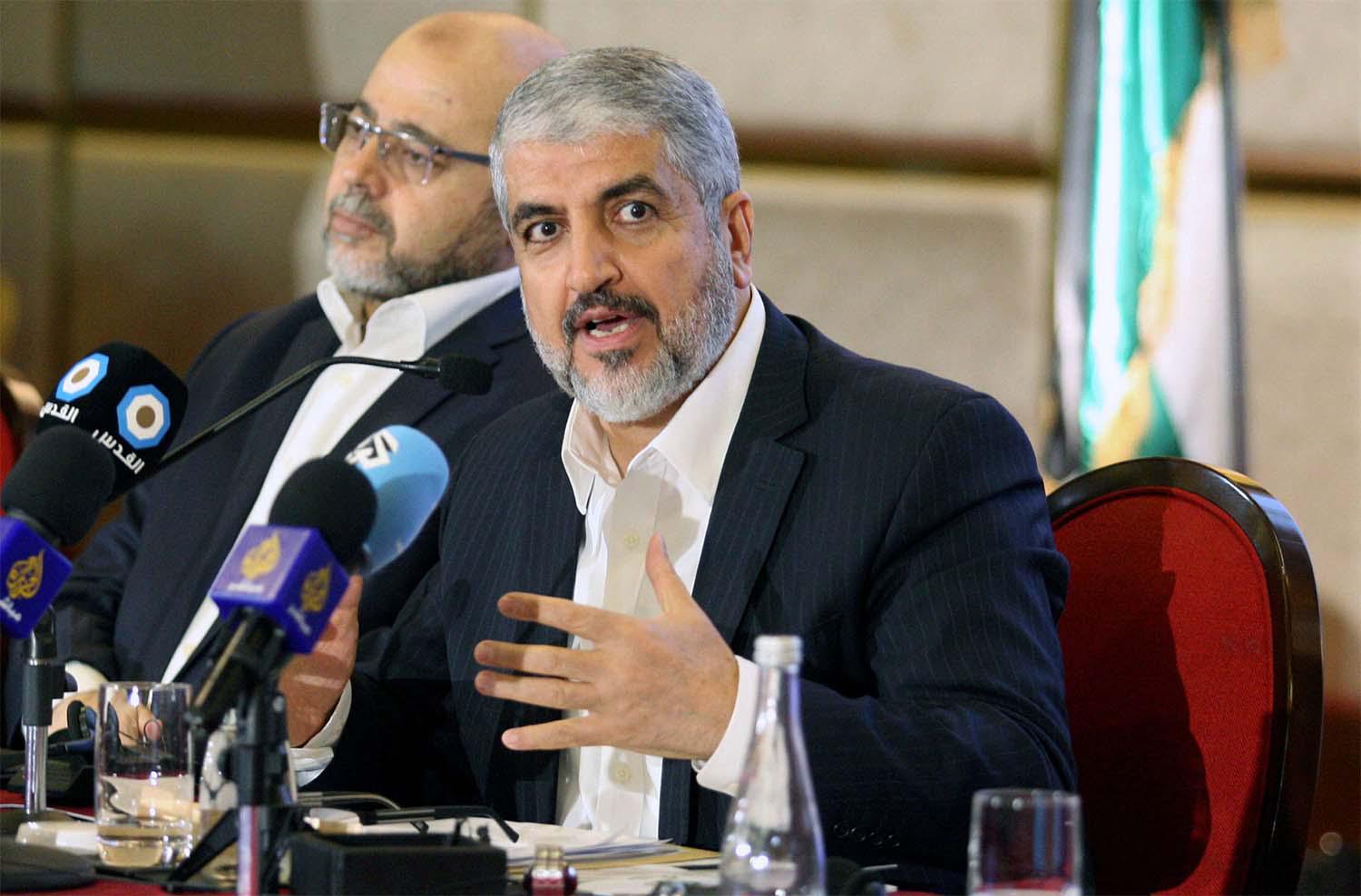
Meshaal described demands for disarmament as an attempt to "criminalize the resistance"
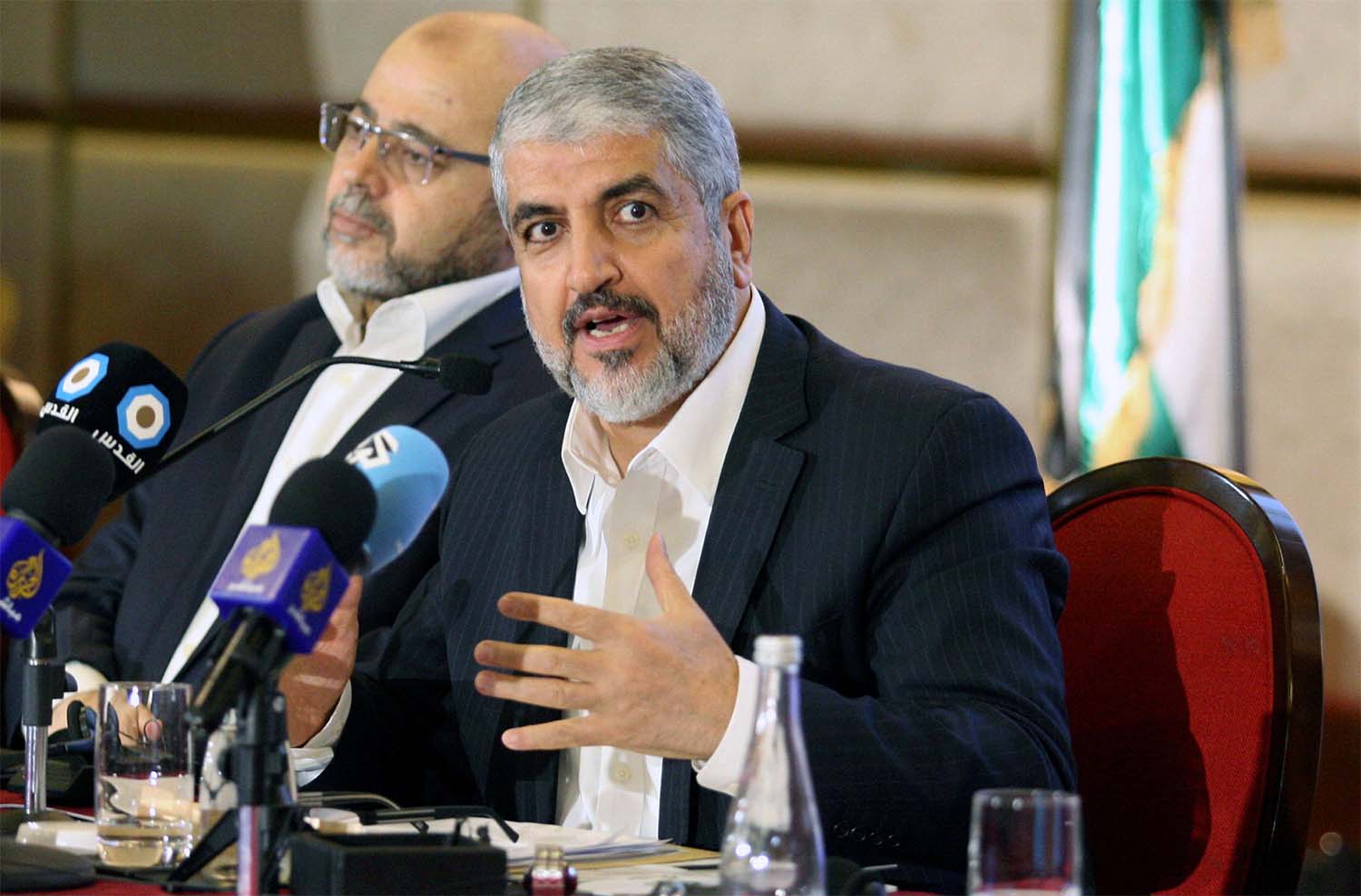
DOHA - Khaled Meshaal, the prominent political leader of Hamas and former head of its political bureau, firmly rejected on Sunday any form of foreign domination over the Gaza Strip.
In recent statements delivered at the Al Jazeera Forum in Doha, Meshaal insisted that Gaza must remain under Palestinian control, declaring that "Palestinians must be governed by Palestinians" and that "Gaza belongs to the people of Gaza and to Palestine."
Context of the statement
Meshaal's remarks come amid ongoing international discussions about the future governance and security arrangements in Gaza following prolonged conflict and destruction in the enclave.
Various proposals, including those reportedly backed by the United States and Israel, have floated ideas involving disarmament of Palestinian factions, potential international administration or peacekeeping mechanisms, and reconstruction efforts tied to specific conditions. These have included calls for Hamas to relinquish its weapons as part of broader ceasefire or post-conflict arrangements.
Speaking at the forum, Meshaal pushed back strongly against such notions. He described demands for disarmament as an attempt to "criminalize the resistance" and neutralize Palestinian armed capabilities while Israeli occupation persists.
He argued that stripping weapons from Palestinians under occupation would render them "an easy victim to be eliminated" by a heavily armed adversary.
On the specific issue of foreign control, Meshaal stated:
"We adhere to our national principles and reject the logic of guardianship, any foreign intervention, or the return of a mandate in any form. [...] We will not accept foreign domination."
He framed this position as a defence of Palestinian self-determination, insisting that governance in Gaza should remain in Palestinian hands without external oversight or administration—referencing historical concerns about imposed mandates or foreign-led governance models.
Broader position on resistance and ceasefire
Meshaal's comments extended beyond governance to reaffirm Hamas's commitment to what it terms "legitimate resistance" against occupation. He asserted that "as long as there is occupation, there is resistance," and that armed resistance is a right for peoples under occupation—a stance consistent with Hamas's long-held ideology.
At the same time, he signaled openness to alternatives that avoid full disarmament, proposing a "guarantees approach." This includes accepting a long-term truce (potentially five to ten years) as a mechanism to ensure weapons are not used offensively, potentially combined with international border monitoring, while maintaining Palestinian control over internal affairs. He urged international actors, including bodies involved in peace efforts, to adopt a "balanced approach" that prioritizes Gaza's reconstruction, humanitarian aid delivery to its approximately 2.2 million residents, and respect for Palestinian principles.
Implications and reactions
Meshaal's declaration underscores the deep challenges in achieving a sustainable resolution to the Gaza crisis. While Hamas signals flexibility on temporary ceasefires and reconstruction, it maintains red lines against disarmament and foreign administration—positions that clash with demands from Israel, the US, and some regional players who view Hamas's military capabilities as a core obstacle to lasting peace.
The statement reflects Hamas's effort to project resilience and unity in its messaging, even as the group navigates intense military, political, and humanitarian pressures in Gaza.