

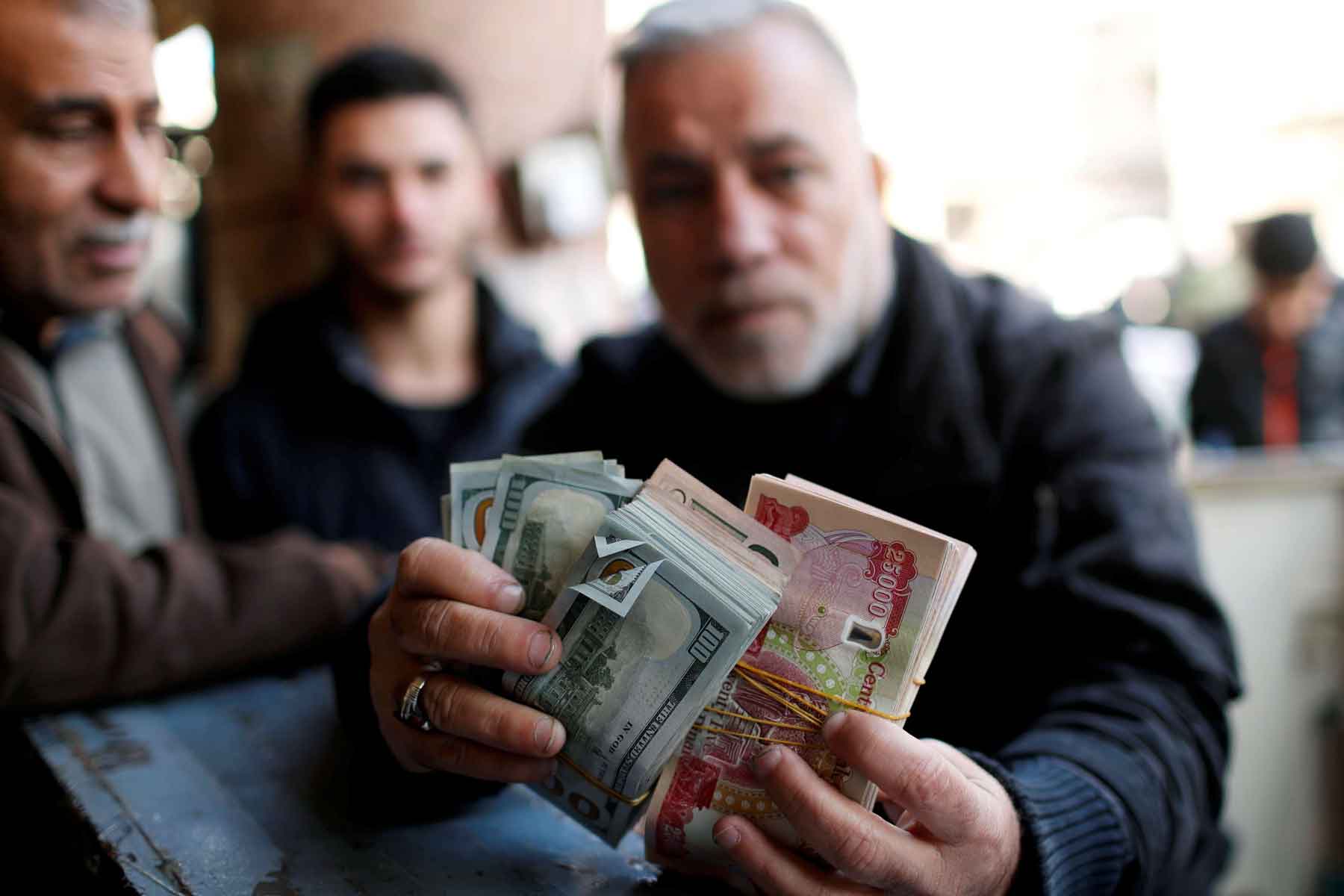
Corruption, a major source of public frustration since the 2003 US-led invasion
Iraq rises in transparency rankings but corruption challenges persist
Despite the slight progress, Iraq remains among the most corrupt countries in the Arab world, ranking eighth regionally behind Somalia, Syria, Sudan, Yemen, Libya, Eritrea and Lebanon.
Tuesday 10/02/2026
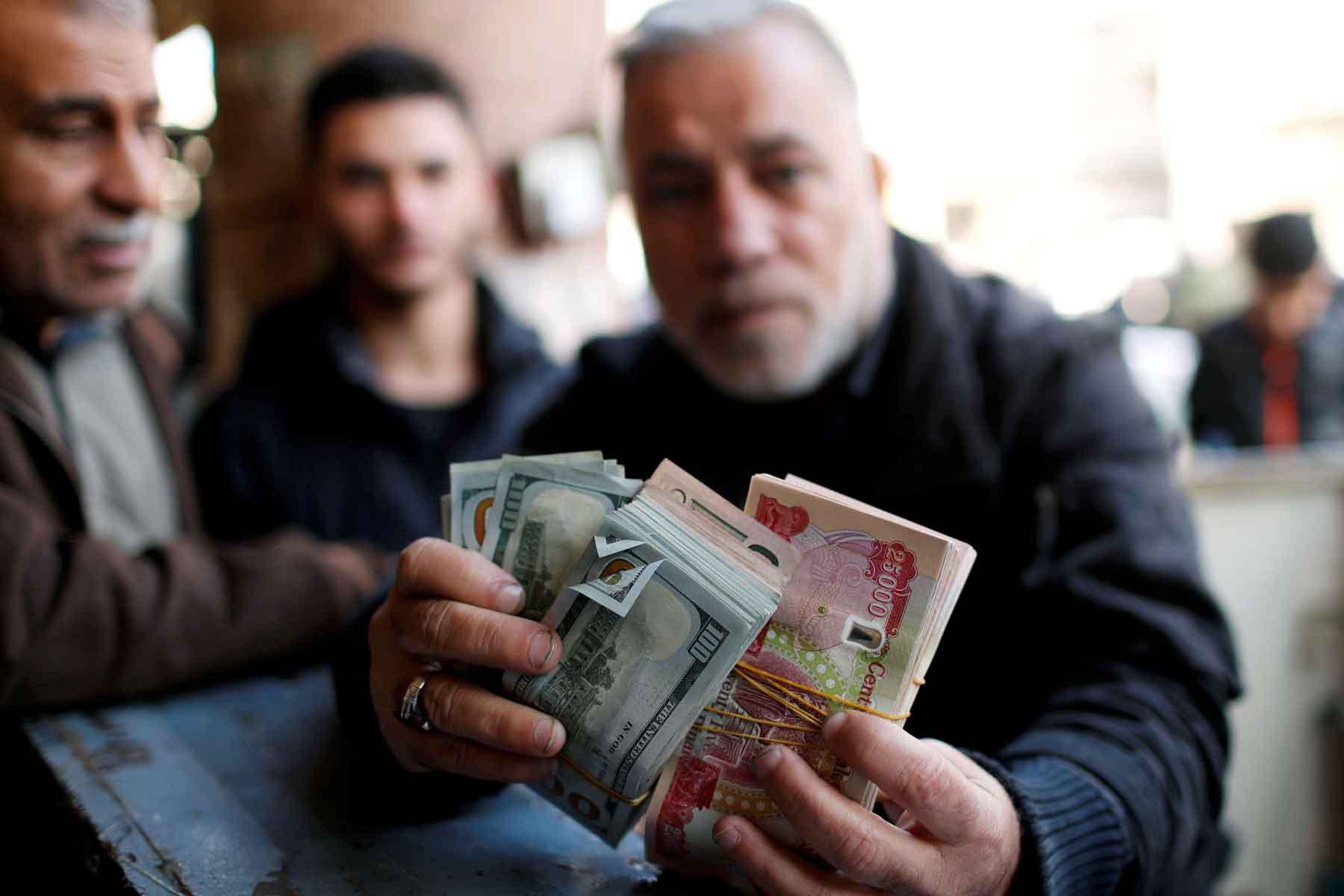
Corruption, a major source of public frustration since the 2003 US-led invasion
BAGHDAD – Iraq has recorded a modest improvement in its global transparency standing, ranking 136th out of 182 countries in the 2025 Corruption Perceptions Index, up two places from the previous year, according to Transparency International.
Despite the slight progress, Iraq remains among the most corrupt countries in the Arab world, ranking eighth regionally behind Somalia, Syria, Sudan, Yemen, Libya, Eritrea and Lebanon, underscoring the scale of governance challenges facing the oil-rich nation.
Transparency International said in its annual report, released on Tuesday, that the global system was under mounting strain due to intensifying great-power competition and a “dangerous disregard for international norms,” while armed conflicts, climate crises and growing social polarisation were having destabilising effects worldwide.
“The global challenges we face require principled leaders and strong, independent institutions acting with integrity to protect the public interest,” the organisation said. “Yet in many cases, governance failures and weak leadership continue to undermine accountability and transparency.”
The report warned that political leaders in many countries increasingly cite security, economic or geopolitical pressures to justify concentrating power, weakening oversight mechanisms and retreating from anti-corruption commitments. Transparency, independent scrutiny and accountability, it said, are too often treated as optional rather than essential pillars of governance.
Iraq’s position and global comparison
Iraq scored 28 out of 100 on the index, where zero indicates extreme corruption and 100 represents a highly-transparent public sector. The ranking reflects persistent concerns over corruption, which has long been identified as one of the country’s most serious structural problems, affecting public services, economic diversification and investor confidence.
Globally, Denmark ranked as the least corrupt country with a score of 89, followed by Finland (88), Singapore (84), New Zealand (81), Norway (81) and Sweden (80), highlighting the dominance of Northern European and advanced economies at the top of the index.
In the Arab world, the United Arab Emirates was ranked highest for transparency, placing 69th globally, followed by Qatar, Saudi Arabia, Oman and Bahrain, all of which scored significantly higher than Iraq.
At the bottom of the global rankings were South Sudan, Somalia, Venezuela, Yemen and Libya, reflecting the strong link between conflict, political instability and entrenched corruption.
Transparency International compiles its annual index using data from 13 international institutions, including the World Bank and the World Economic Forum, assessing public-sector corruption through expert analysis and business surveys.
Signs of improvement amid reform efforts
Iraqi officials have pointed to gradual improvements in governance indicators as evidence that reforms are beginning to take effect. In January, Iraq’s finance ministry said global governance data showed a noticeable improvement in Iraq’s performance, with its score rising from 29.5 points in 2023 to 32.5 in 2024.
The ministry described the increase as a positive indicator of the effectiveness of financial and administrative reforms aimed at strengthening transparency and efficiency.
Officials say the progress reflects efforts to implement economic reform programmes, digitise financial procedures and expand e-governance systems, measures intended to reduce bureaucratic inefficiencies and curb opportunities for corruption.
Governance indicators have also shown improvement across several key areas, including freedom of expression and accountability, political stability, government effectiveness, regulatory quality and the rule of law.
These gains, Iraqi authorities say, are helping to bolster confidence among international donors, investors and financial institutions at a time when Iraq is seeking to attract foreign investment and diversify its economy beyond oil.
Persistent structural challenges
However, analysts caution that Iraq still faces deep-rooted structural challenges, including political fragmentation, patronage networks and weak institutional oversight, which continue to hinder more substantial progress in tackling corruption.
Corruption has remained a major source of public frustration since the 2003 US-led invasion, fuelling repeated waves of protest and undermining trust in political institutions.
While recent improvements signal some momentum for reform, Iraq’s low ranking highlights the long road ahead as the government attempts to strengthen institutions, enforce accountability and improve governance in one of the Middle East’s most strategically-important countries.