

In ISIS crosshairs
Assassination attempts on Syrian president signal persistent ISIS threat
The repeated assassination attempts against Sharaa and members of his cabinet illustrate the delicate phase Syria is navigating, where political consolidation and security threats intersect.
Thursday 12/02/2026
In ISIS crosshairs
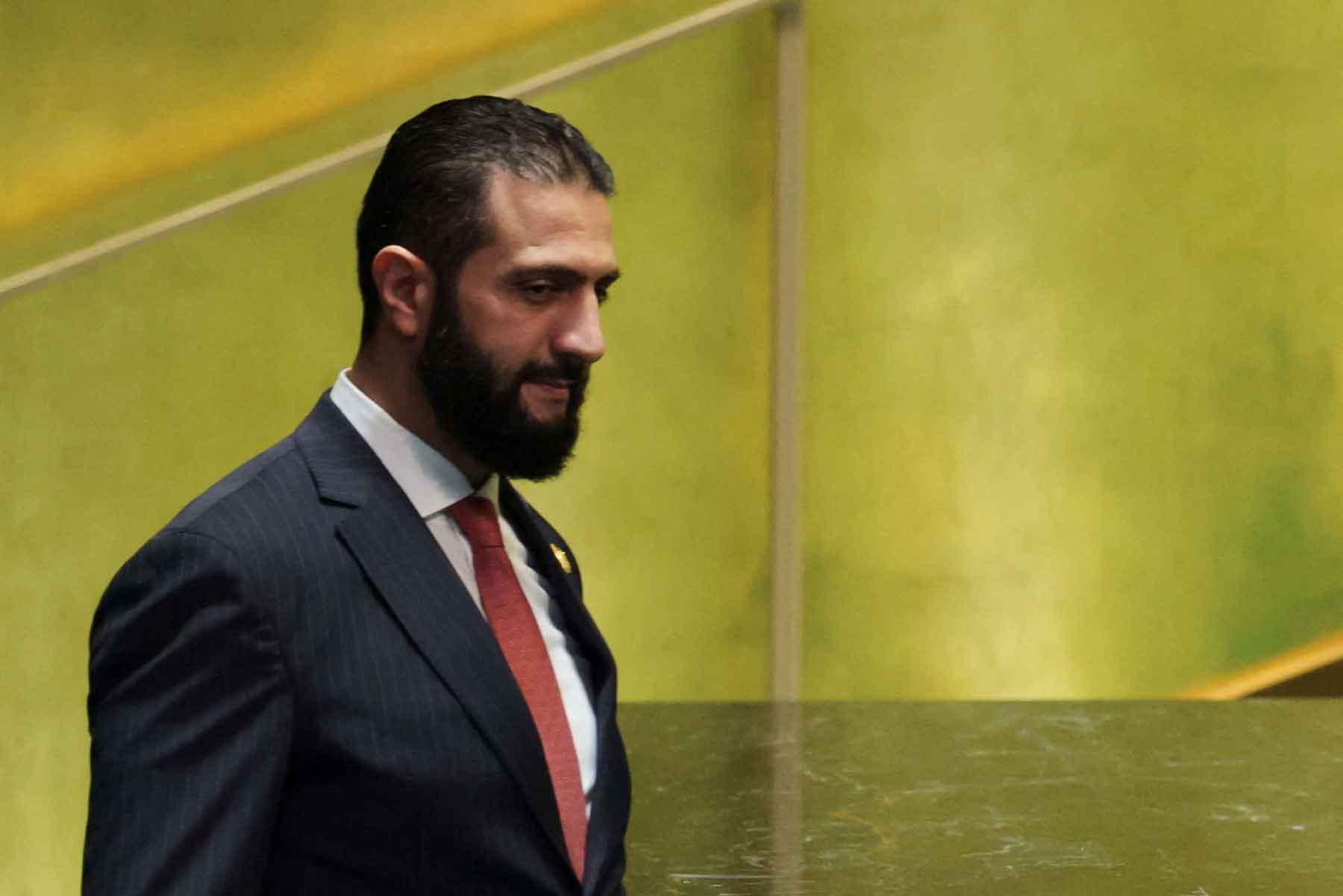
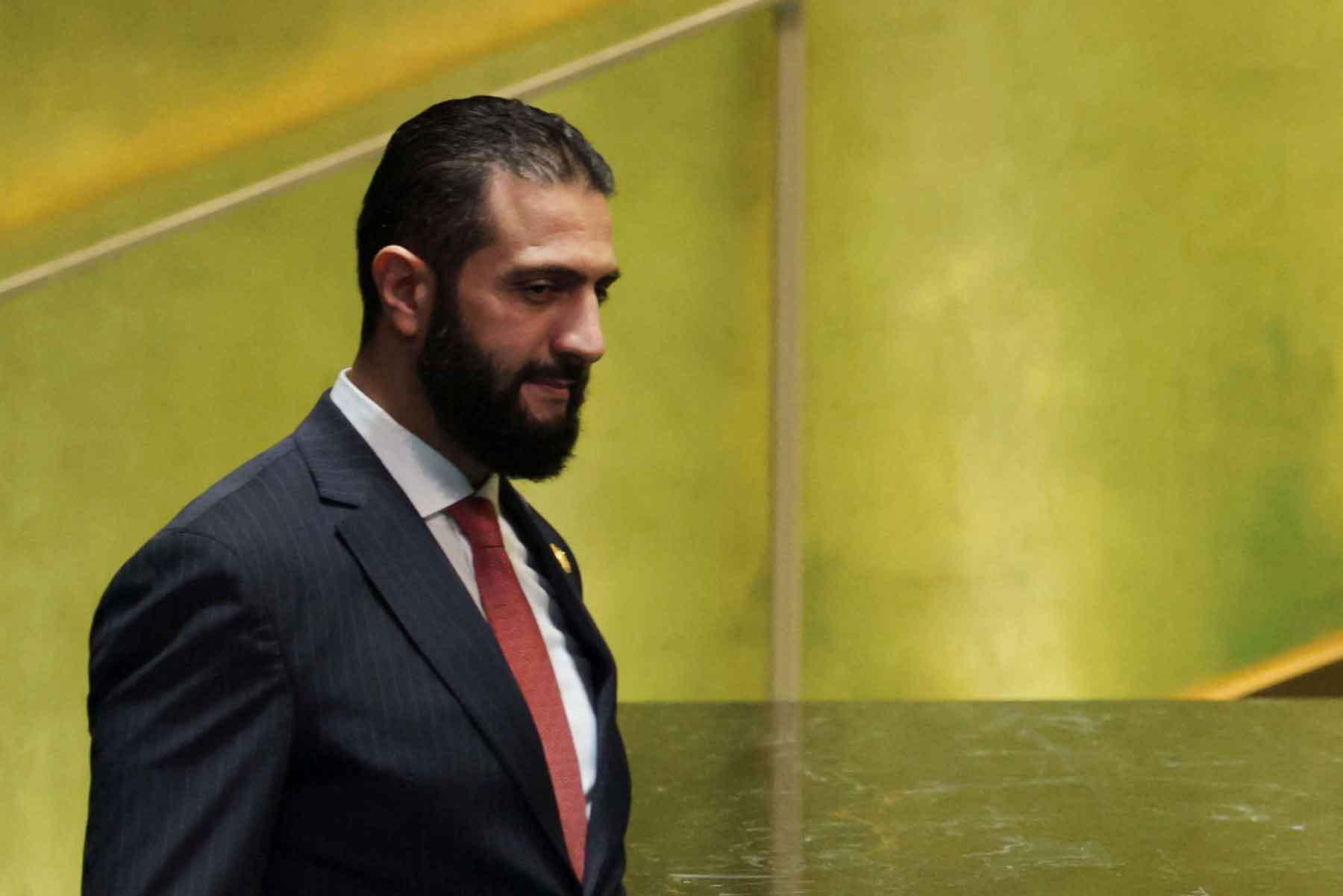
UNITED NATIONS – Syria’s President Ahmad al-Sharaa was the target of five foiled assassination attempts over the past year, according to a new United Nations report that warns Islamic State militants are intensifying efforts to destabilise the country’s new leadership.
The findings were outlined in a report by UN Secretary-General Antonio Guterres, released on Wednesday as part of a periodic assessment of global terrorist threats. The document states that Sharaa, along with Interior Minister Anas Hasan Khattab and Foreign Minister Asaad al-Shibani, were all targeted in plots attributed to Islamic State (ISIS).
According to the report, some of the alleged assassination plans focused on sensitive areas including northern Aleppo province and southern Daraa. The operations were linked to a group known as Saraya Ansar al-Sunnah, which UN experts assess to be a front organisation for ISIS. The use of such a proxy structure is believed to provide the militant group with plausible deniability while enhancing its operational flexibility under different names.
Although the UN document does not provide precise dates or operational details of the assassination attempts, it describes the repeated targeting of Syria’s leadership as clear evidence of ISIS’s determination to undermine the new government. It further warns that the group continues to exploit security gaps and lingering instability after years of conflict.
Sharaa assumed power in December 2024 after his forces ousted former president Bashar al-Assad, bringing an end to Syria’s 14-year civil war. Since then, his government has launched intensified security operations aimed at dismantling ISIS networks that remain active across the country.
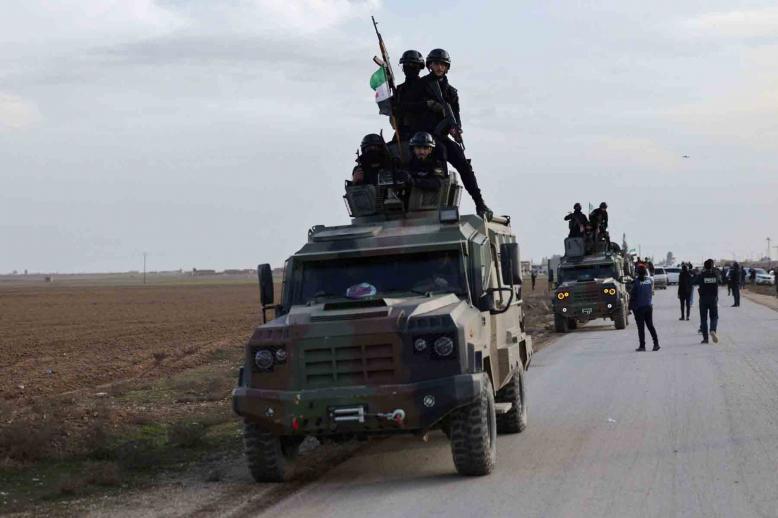
In recent months, Syrian authorities have carried out extensive raids and arrests targeting suspected sleeper cells, seizing weapons and explosive materials. Operations have been concentrated particularly in the north and north-east, where ISIS militants continue to stage sporadic attacks against security forces and checkpoints.
Observers say that while the tightened security measures have increased pressure on the group, they may also have prompted ISIS to escalate attempts to strike high-profile state figures in a bid to generate political shock and media impact. Targeting the president or senior ministers carries symbolic weight, signalling that the organisation seeks not only to inflict casualties but to challenge the authority and legitimacy of the state.
The UN counter-terrorism experts estimate that ISIS maintains roughly 3,000 fighters across Iraq and Syria, with the majority believed to be based on Syrian territory. The group has demonstrated an ability to regroup in areas where governance remains fragile.
In November, Damascus took a significant political step by formally joining the international coalition to counter Islamic State. The coalition, comprising dozens of countries, coordinates efforts to contain the group and prevent its resurgence. Syrian officials have stressed, however, that their participation remains political and coordinative in nature, without direct involvement in US-led military operations in the region.
The UN report also highlighted the continued presence of thousands of ISIS-linked detainees and family members held in camps and detention centres in north-eastern Syria. As of December, more than 25,000 individuals remained in the al-Hol and Roj camps alone, over 60 per cent of them children, underscoring the enduring humanitarian and security challenges.
The repeated assassination attempts against President al-Sharaa and members of his cabinet illustrate the delicate phase Syria is navigating, where political consolidation and security threats intersect. While the government insists it remains committed to dismantling the remnants of ISIS, the UN assessment suggests the militant group retains both intent and capability to strike at the heart of Syria’s new leadership.
For Damascus, the central challenge now lies in closing security gaps, reinforcing institutional control and strengthening international intelligence cooperation to prevent further high-level threats. The UN report makes clear that, despite territorial losses, Islamic State has not abandoned its campaign to destabilise Syria from within.