

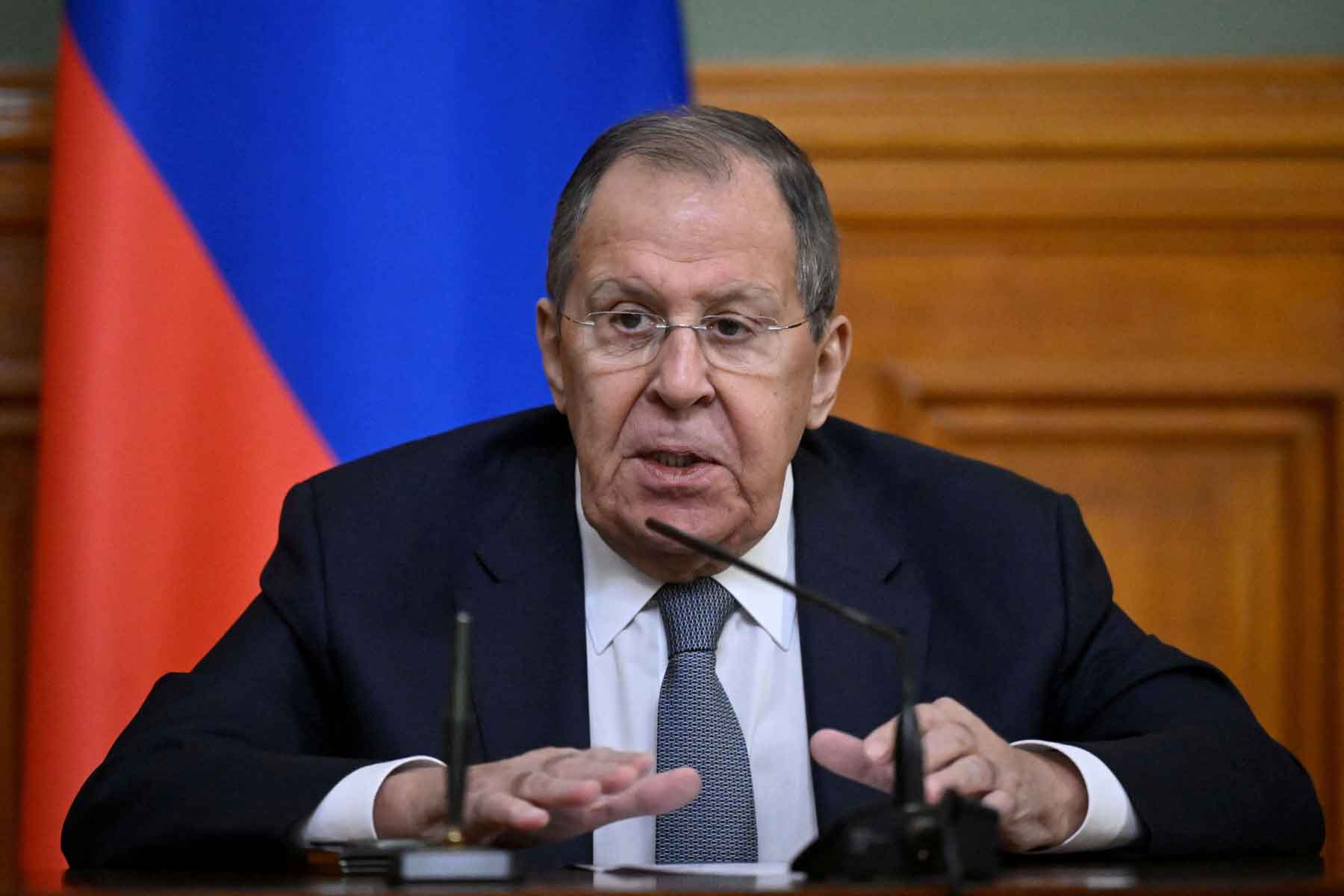
A determination to strengthen political and security partnerships across Africa
Lavrov accuses France of destabilisation as Russia accelerates Africa pivot
Lavrov said France was working through opposition factions and unconventional channels, including what he described as armed groups and foreign proxies, to restore its influence.
Thursday 12/02/2026
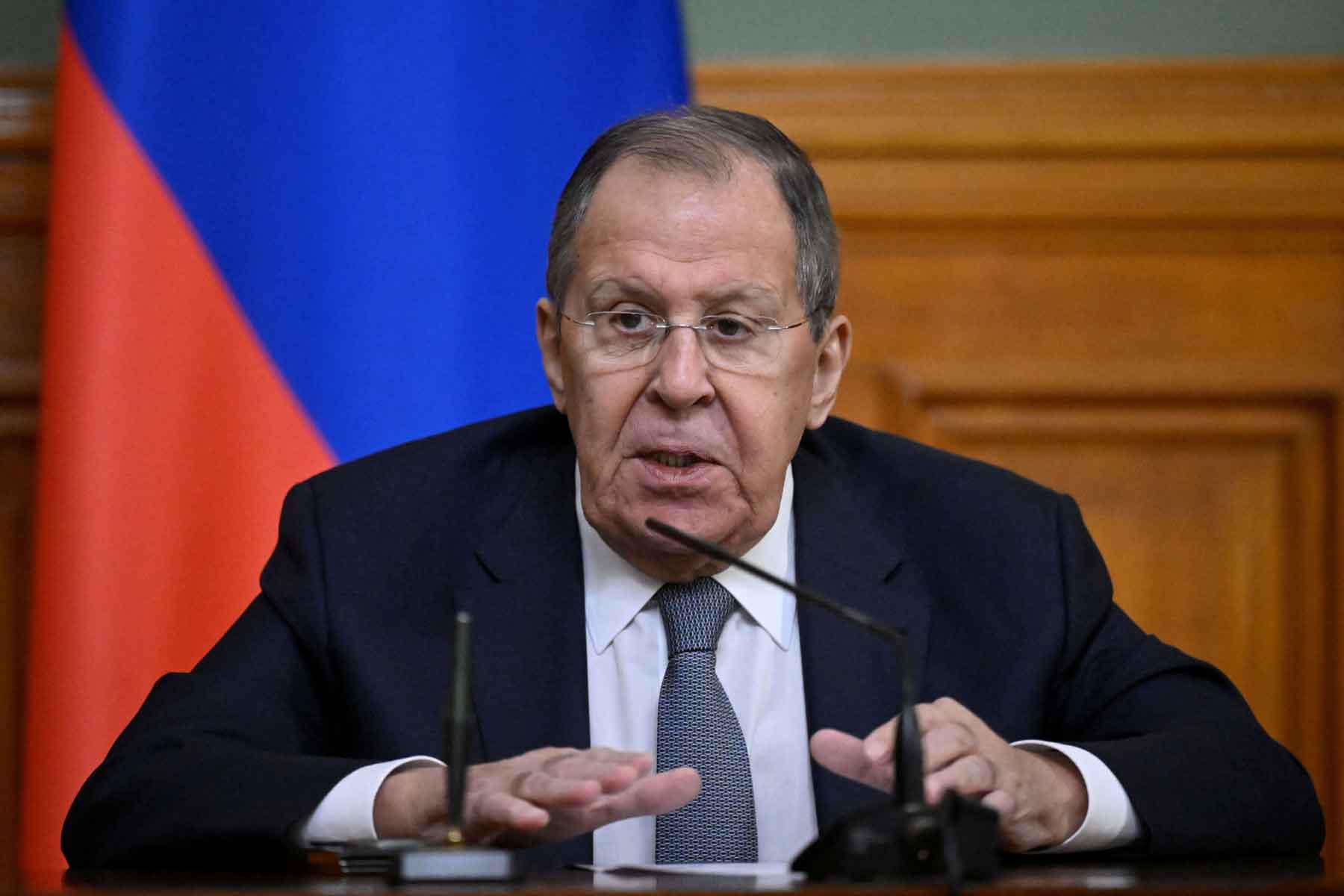
A determination to strengthen political and security partnerships across Africa
MOSCOW – Tensions between Russia and France are intensifying amid a widening struggle for influence across Africa’s volatile Sahara–Sahel region, as Moscow accelerates efforts to expand its diplomatic and security presence while accusing Paris of attempting to destabilise governments it considers unfriendly.
Russian Foreign Minister Sergei Lavrov sharpened his criticism of France during a Government Hour session in the State Duma, accusing France of interfering in African affairs and seeking to overthrow nationalist governments that have distanced themselves from Paris.
Lavrov alleged that France was working through opposition factions and unconventional channels, including what he described as armed groups and foreign proxies, to restore its influence. He further accused Paris of continuing to rely on “divide and conquer” tactics rooted in its colonial past, which he said had caused immense suffering across the continent.
His remarks come as Russia rapidly expands its diplomatic footprint in Africa, relocating staff from Europe and reopening embassies across the continent as part of a broader strategic pivot. Lavrov revealed that Moscow had reduced its diplomatic presence in Europe by up to 150 personnel, with around 90 percent reassigned to African missions.
Russia is now working to relaunch operations at roughly ten embassies in Africa, some already reopened and others scheduled to begin operating within the next two years. New missions have been established or restored in Niger, Sierra Leone and South Sudan, while additional embassies are planned in countries including The Gambia, Liberia, Togo and the Comoros.
This expansion underscores Moscow’s determination to strengthen its political and security partnerships across Africa at a time when France’s traditional influence has declined sharply.
Sahel power shift accelerates
France’s presence in the Sahel has eroded significantly in recent years, particularly after military-led governments in Mali, Niger and Burkina Faso severed military cooperation agreements and expelled French troops. These developments marked a dramatic reversal for Paris, which had long positioned itself as the region’s primary external security partner.
Lavrov pointed to a failed coup attempt in Burkina Faso in January, allegedly involving former transitional leader Paul-Henri Sandaogo Damiba, which he claimed included a plot to assassinate current leader Ibrahim Traoré. He suggested such events reflected the fragility of the region and warned that external interference was exacerbating instability.
Although France has denied accusations of destabilisation, relations between Paris and several Sahel governments have deteriorated sharply, fuelled by growing public resentment over France’s perceived failure to improve security despite years of military intervention against jihadist insurgencies.
Popular protests and political shifts have led to the cancellation of defence agreements and the withdrawal of French forces, moves widely portrayed by new military authorities as steps toward restoring sovereignty.
Moscow moves to fill the vacuum
Russia has increasingly stepped into the vacuum left by France’s retreat, offering military cooperation, security assistance and diplomatic backing to several Sahel governments. This includes weapons supplies, military training and advisory support, alongside expanded diplomatic engagement.
Lavrov has also previously accused Ukraine of supporting armed groups in Mali by supplying drones and training fighters, linking the developments to broader geopolitical rivalries stemming from the war in Ukraine.
Analysts say Moscow’s growing engagement reflects a deliberate effort to rebuild influence lost after the Soviet Union’s collapse, but through a modern model focused on strategic partnerships with emerging or military-led governments.
Russia’s diplomatic expansion, including reopening embassies closed in the early 1990s due to financial constraints, signals a long-term commitment to strengthening ties with African states and reshaping alliances in the region.
Strategic resources at heart of rivalry
Beyond security concerns, competition between Russia and France is also driven by economic interests, particularly access to the Sahel’s vast natural resources. The region holds significant reserves of uranium, gold and other minerals critical to global energy and industrial supply chains.
French and Russian companies are increasingly competing for contracts in mining, energy and infrastructure, intensifying the geopolitical rivalry.
At the same time, the region remains deeply unstable, with armed insurgent groups continuing to operate across porous borders and remote territories. Weak state control and persistent insecurity have left Sahel governments vulnerable, creating opportunities for external powers to expand their influence under the banner of counterterrorism cooperation.
The growing confrontation between Moscow and Paris reflects not only a struggle for strategic influence but also a broader contest over Africa’s political future.
France is seeking to preserve elements of its longstanding influence, while Russia is positioning itself as an alternative partner, capitalising on shifting political dynamics and anti-colonial sentiment.
With Russia accelerating its diplomatic expansion and France facing unprecedented resistance in its former sphere of influence, the balance of power in the Sahel appears to be undergoing a fundamental transformation.
As instability persists and geopolitical competition intensifies, Africa’s Sahel region is emerging as a key battleground in a wider global contest for influence between traditional Western powers and rising geopolitical challengers.