

Fears of further escalation
Protest bloodshed in Shabwa deepens Yemen political rift
The unrest comes at a time of mounting political friction following the formation of a new Yemeni government, a move that has sparked controversy among southern factions.
Thursday 12/02/2026
Fears of further escalation
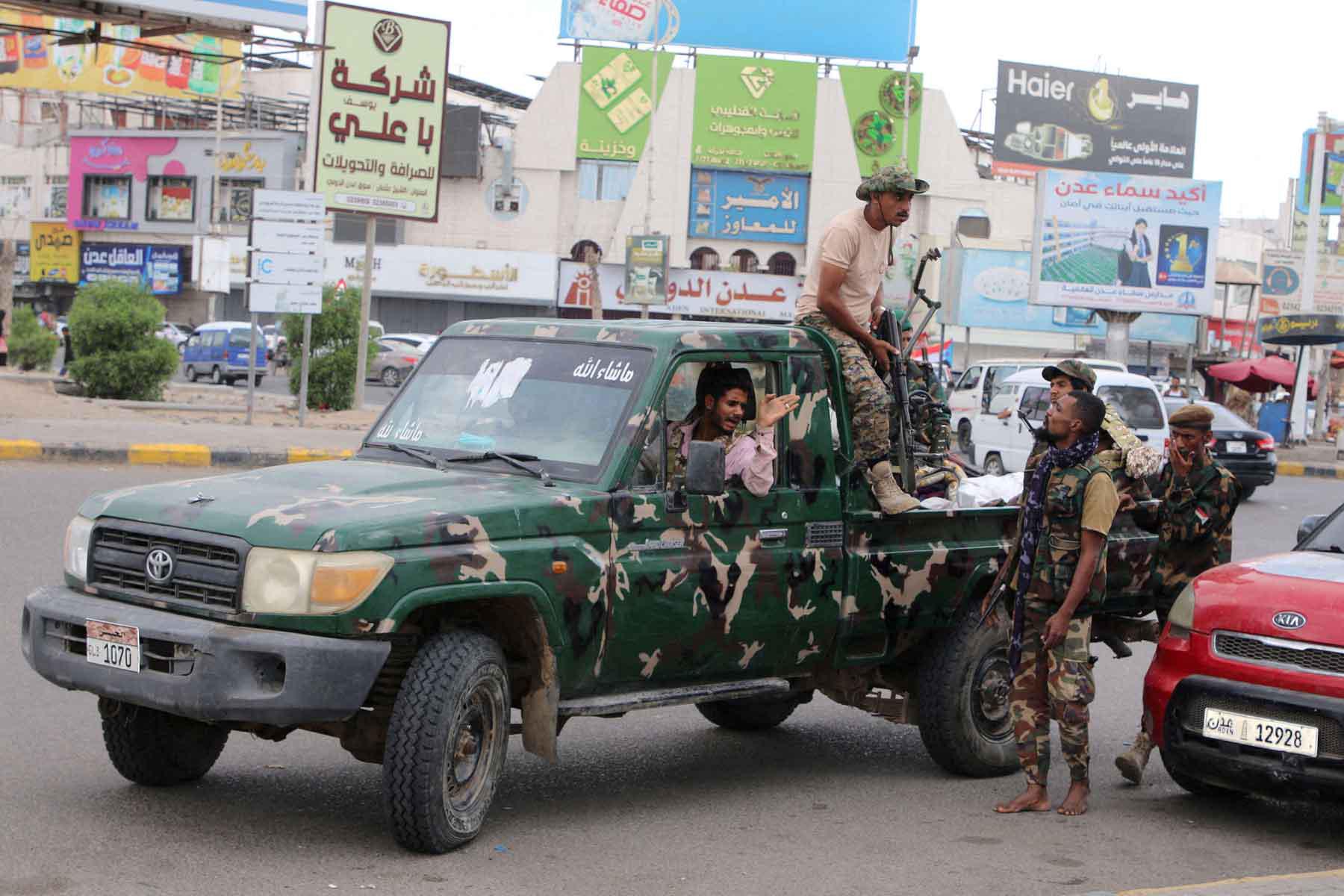
ADEN – At least six demonstrators were killed and more than 30 others wounded after security forces opened fire on a protest in Yemen’s southern Shabwa province on Wednesday, in an incident that has sharply escalated political tensions in the already fragile region.
The Southern Transitional Council (STC), which advocates for southern self-determination, accused the province’s Security Committee and military authorities of direct responsibility, alleging that live ammunition was used against peaceful protesters gathered in the provincial capital, Ataq.
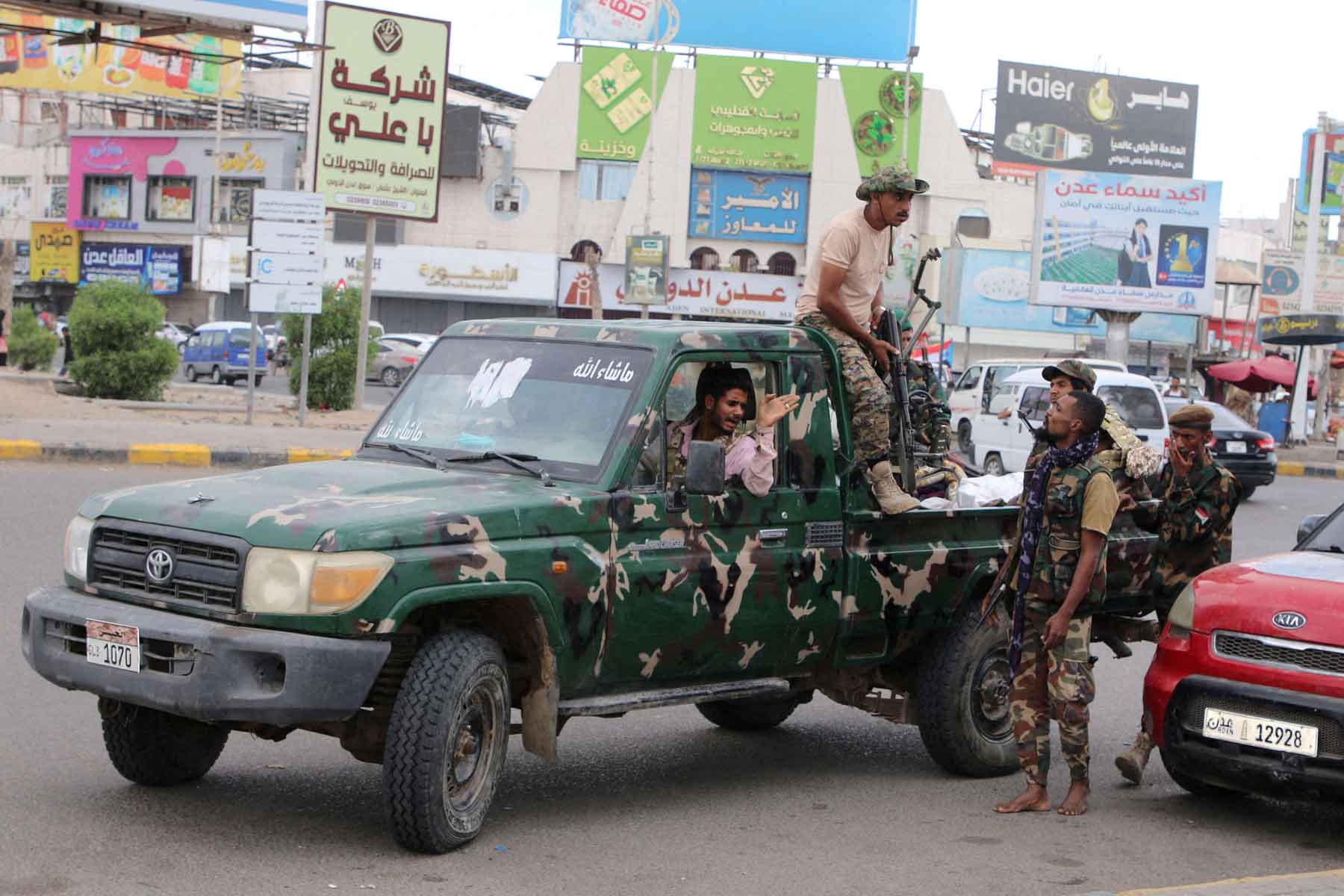
In a statement, the STC’s local leadership said security forces stormed the rally site at dawn, dismantled the stage and surrounded the area with dozens of armoured vehicles before opening fire on unarmed participants. The council claimed it had proposed measures to avoid confrontation, including relocating the event away from government buildings, but said those initiatives were rejected.
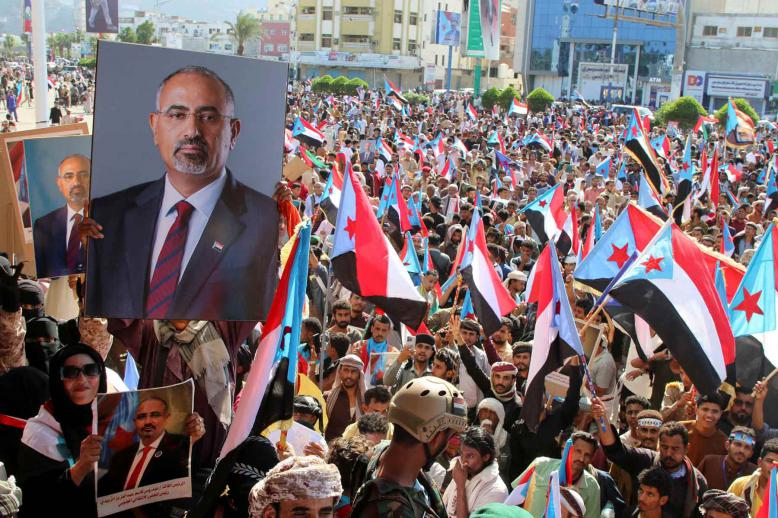
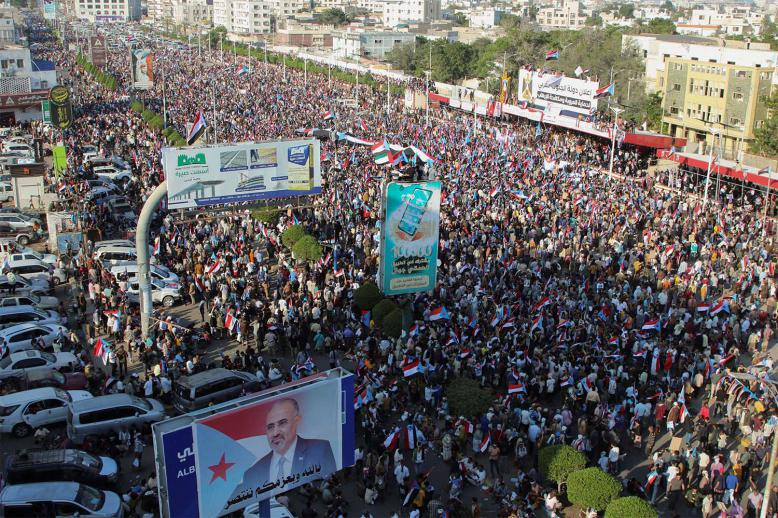
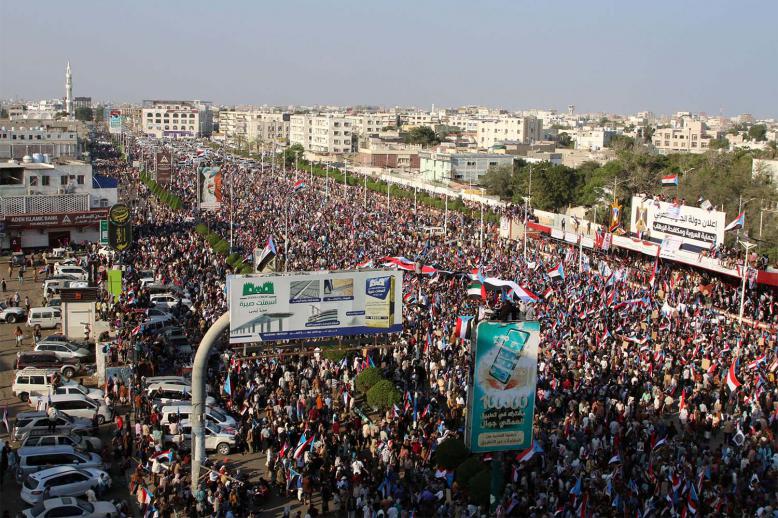
Witnesses reported that gunfire broke out as demonstrators assembled outside the local authority headquarters in Ataq to mark the 59th anniversary of what is known as “Southern Martyr’s Day,” a symbolic occasion commemorating figures regarded by supporters as having sacrificed their lives for the southern cause.
Some of the victims were reportedly shot in the head, according to participants, who described the use of force as deliberate and intended to suppress political expression. Despite the violence, the rally continued under the slogan “Steadfastness and Resilience,” opening with Quranic recitation and the southern national anthem before speeches by local leaders and community figures.
Sheikh Lahmar Ali Laswad, head of the STC’s executive body in Shabwa, described the anniversary as a moment of loyalty to those who “defended the land and identity of the South”, praising the turnout as evidence of popular support for the council’s leadership.
A representative of the victims’ families told the gathering that the blood of those killed “would not be shed in vain,” framing the incident as part of a broader struggle for political recognition and self-determination.
Investigation launched amid blame and counter-blame
In response to the violence, Shabwa Governor Awad Mohammed bin al-Wazir announced the formation of an investigative committee to examine the circumstances surrounding the incident. The committee, chaired by Deputy Governor Ahmed Saleh Al-Dughari and including senior security and police officials, has been tasked with conducting a comprehensive inquiry, determining legal responsibility and assessing damage to public and private property. Three representatives of the victims and injured have also been appointed to participate, in what officials described as an effort to ensure transparency.
Bin al-Wazir stressed the committee’s “national and moral duty” to carry out a professional and impartial investigation, safeguard public order and uphold the authority of the state.
The governorate witnessed chaotic scenes as gunfire erupted during the demonstration, with casualties reported among both protesters and security personnel, further complicating an already volatile political environment.
Southern tensions intensify
The unrest comes at a time of mounting political friction following the formation of a new Yemeni government, a move that has sparked controversy among southern factions.
STC President Aidarous al-Zubaidi called on supporters to continue public mobilisation and rally around the council, urging adherence to what he described as the principles of the southern constitutional declaration. The council reiterated its rejection of any attempts to dissolve or sideline it outside its own organisational framework.
Amr al-Baid, special representative to the STC president for foreign affairs, criticised the exclusion of a key southern political representative from the new cabinet, arguing that the formation disregarded the 2019 Riyadh Agreement, which sought to balance power between northern and southern actors.
Writing on social media platform X, he said the government lacked political legitimacy in the south and did not reflect genuine southern representation, contending that geographic inclusion alone does not confer political mandate.
The STC maintains that while it remains committed to peaceful political engagement and a negotiated settlement under regional and international auspices, it reserves the right to monitor the government’s performance and hold it accountable for failures in service provision or security.
Wider instability
Parallel demonstrations were also reported in the coastal city of Mukalla, where participants voiced support for southern political demands amid continued debate over the country’s power-sharing arrangements.
The events in Shabwa highlight the increasingly complex intersection of security concerns and political rivalries across Yemen’s south. The region remains fragmented, with multiple armed actors and competing authorities operating against the backdrop of a prolonged national conflict.
While calls for calm and dialogue have been issued, fears persist that incidents such as the Ataq shooting could fuel further escalation, particularly given the fragile security landscape and deepening mistrust between political factions.
As Yemen continues to grapple with unresolved governance questions and shifting alliances, the deadly confrontation in Shabwa underscores how quickly political disputes can spill over into violence, threatening efforts to stabilise the country’s deeply divided south.