


A boom sits at the intersection of medicine, economics and risk
Egypt confronts C-section surge amid safety, economic concerns
Caesarean sections may expose mothers and newborns to avoidable risks when performed without clear clinical justification.
Tuesday 05/05/2026
A boom sits at the intersection of medicine, economics and risk
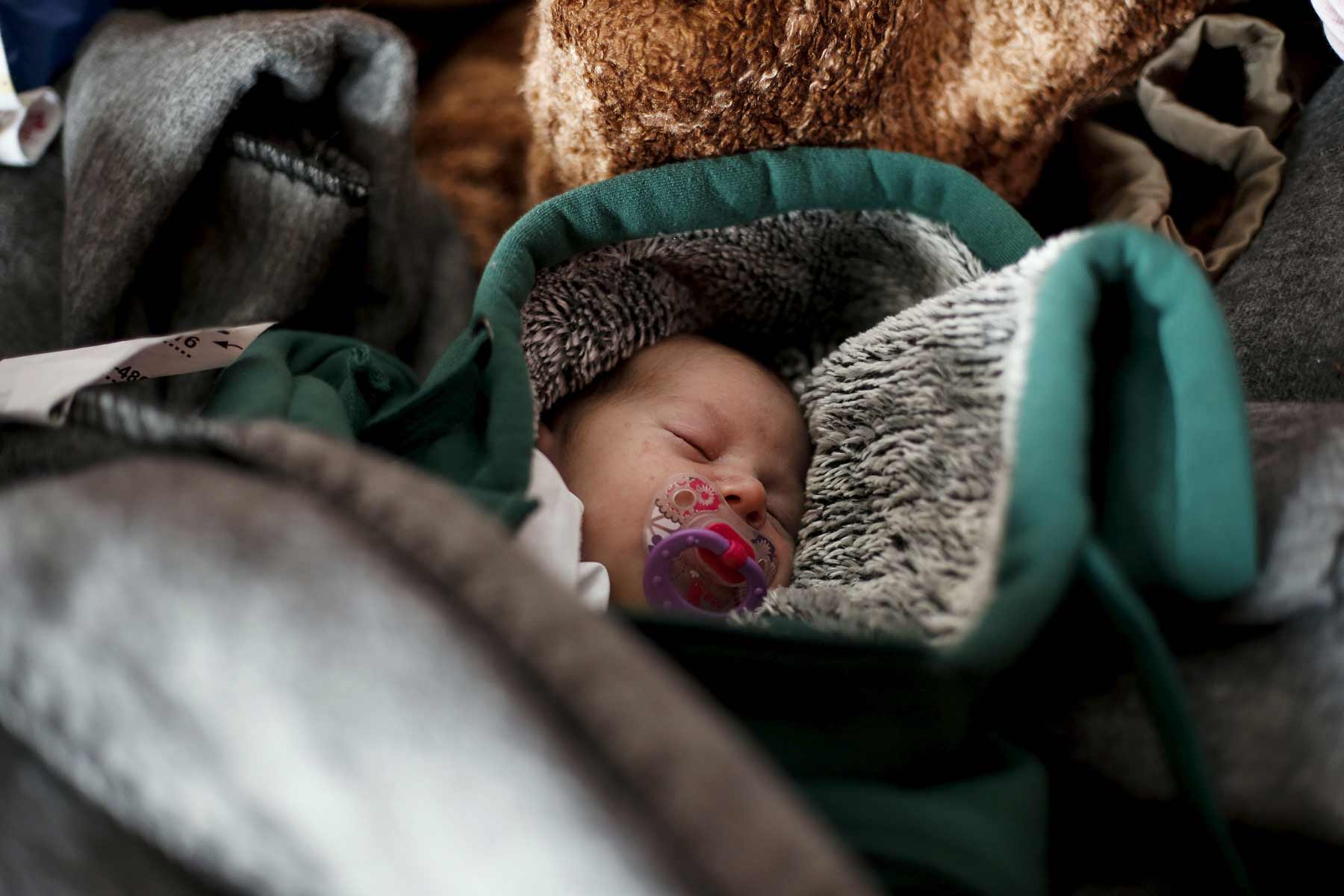
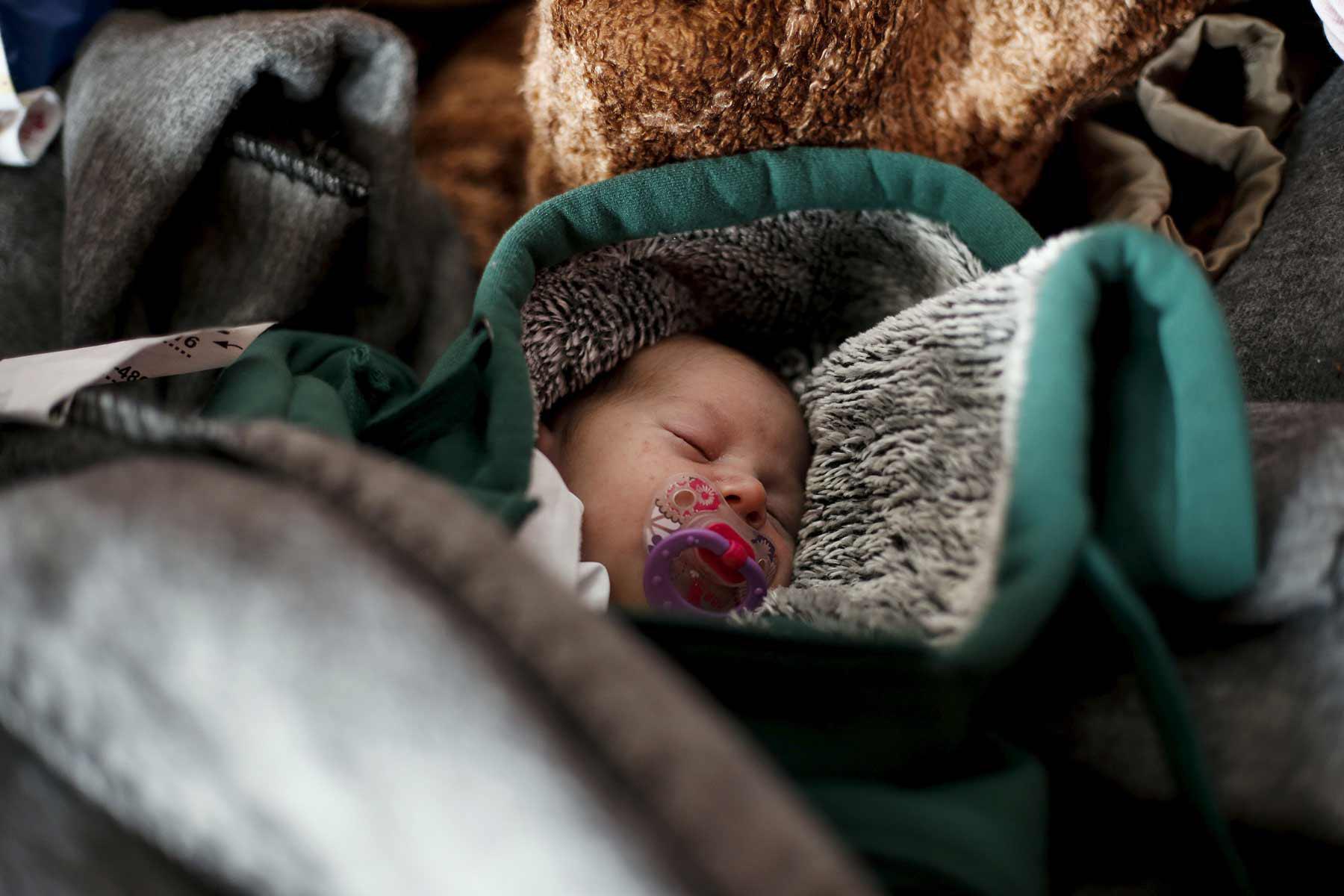
CAIRO – The Egyptian government is seeking to rein in the rapid rise of Caesarean-section births, as concern grows over one of the highest rates in the world and the medical, economic and legal pressures driving doctors and patients away from natural delivery.
While Caesarean sections can be life-saving when medically necessary, health officials warn they may also expose mothers and newborns to avoidable risks when performed without clear clinical justification.
According to official data, Egypt stands among the global outliers in surgical births. In 2021, Caesarean deliveries accounted for 72 percent of all births nationwide. In the city of Port Said, only one in ten babies is now born naturally.
By comparison, Germany recorded around one-third of births via Caesarean in 2023, already a sharp rise from 17 percent in 1993, highlighting what the World Health Organization describes as a broader global trend shaped by differing national circumstances. The WHO has long suggested Caesarean rates above roughly 10-15 percent are not medically justified at population level.
For some Egyptian women, the experience reflects a loss of choice.
Malaak El-Eisawy, 35, said she entered pregnancy determined to give birth naturally. “Before my expected due date, the doctor began convincing me I would deliver by Caesarean,” she said. “And that is what happened, just like in my next two births.”
Eisawy said she still questions whether surgery was necessary. “I don’t remember being given a choice. They didn’t even try,” she said, adding that after her waters broke and she asked to attempt a natural birth, she was told: “Your Caesarean is tomorrow.”
Some obstetricians say demand also plays a role. Yosra Lashin, who runs a gynaecology clinic in Cairo, said many women in Egypt and across the Arab world request scheduled Caesareans. “They don’t want pain in the middle of the night and they don’t want surprises,” she said, describing a preference for planned deliveries with controlled timing and post-birth celebrations.
But doctors also point to deeper structural drivers.
Financial incentives are frequently cited in a system where private hospitals dominate and Caesarean procedures are more lucrative. Critics describe the trend as partly driven by “greed”, as surgeons can earn more by performing multiple quick operations in the time a single natural labour may take.
A Caesarean can take around 15 minutes, allowing a doctor to perform several procedures in a day. By contrast, natural labour can last six to 12 hours for a first child, said gynaecologist Sherif Hamza. “A doctor with multiple jobs and a private life asks himself: why do this? I’ll do a Caesarean and go home,” he said.
The near absence of midwives in Egypt, who are compulsory in births in countries such as Germany, further reinforces reliance on surgical delivery.
Economic pressures also shape outcomes. Egypt’s public healthcare system is strained, with reports of shortages in equipment such as fetal heart monitors and under-resourced blood banks. For many families, private hospitals are the only viable option, often paid out of pocket without insurance coverage.
Legal risks add another layer. Doctors may face imprisonment if complications occur during natural births, even when procedures are properly followed, leading many to adopt what physicians describe as “defensive medicine.”
“Any mistake, the doctor is responsible,” said Cairo-based obstetrician Hussein Gowhar, noting that many colleagues prefer Caesareans to reduce legal exposure.
Even in Germany, professional bodies report increasing defensive practices, with midwives warning of growing pressure linked to liability concerns and rising maternal age.
Egyptian authorities are now attempting to reverse the trend. Hospitals are being required to document Caesarean cases and justify their necessity. Inspections have been carried out in facilities in the capital, and reforms are planned to standardise delivery costs and expand midwife training. Public awareness campaigns are also under way to encourage informed maternal choice.
Experts say the 72 percent Caesarean rate is “alarming.”
“It is incredibly high. This is not medical practice as it should be,” said Alexandre Dumont, a researcher at Sciences Po in Paris. He is working on initiatives aimed at strengthening pregnant women’s confidence and decision-making power.
Dumont said inequality plays a key role in shaping outcomes, with poorer women often less able to challenge medical authority. “The relationship is not balanced. Women must be able to take part in the decision,” he said.
Hussein Gowhar added that Egypt lacks structured prenatal counselling, adequate birth preparation classes, and sufficient midwifery support. Pain relief options such as epidurals are often unavailable or too expensive. A 2024 study found around 70 percent of pregnant women in Egypt experience fear of childbirth, compared with 5-15 percent in many Western countries.
Changing the trend, experts say, will take time and depend heavily on younger generations of doctors. “Medical training is also leaning towards Caesareans,” Gowhar said, warning that many young physicians have limited exposure to complications in natural delivery.
For now, Egypt’s Caesarean boom sits at the intersection of medicine, economics and risk, one that health officials are only beginning to confront.