

Fatah has yet to present a detailed political programme
Fatah’s new leadership mirrors wider Palestinian divisions
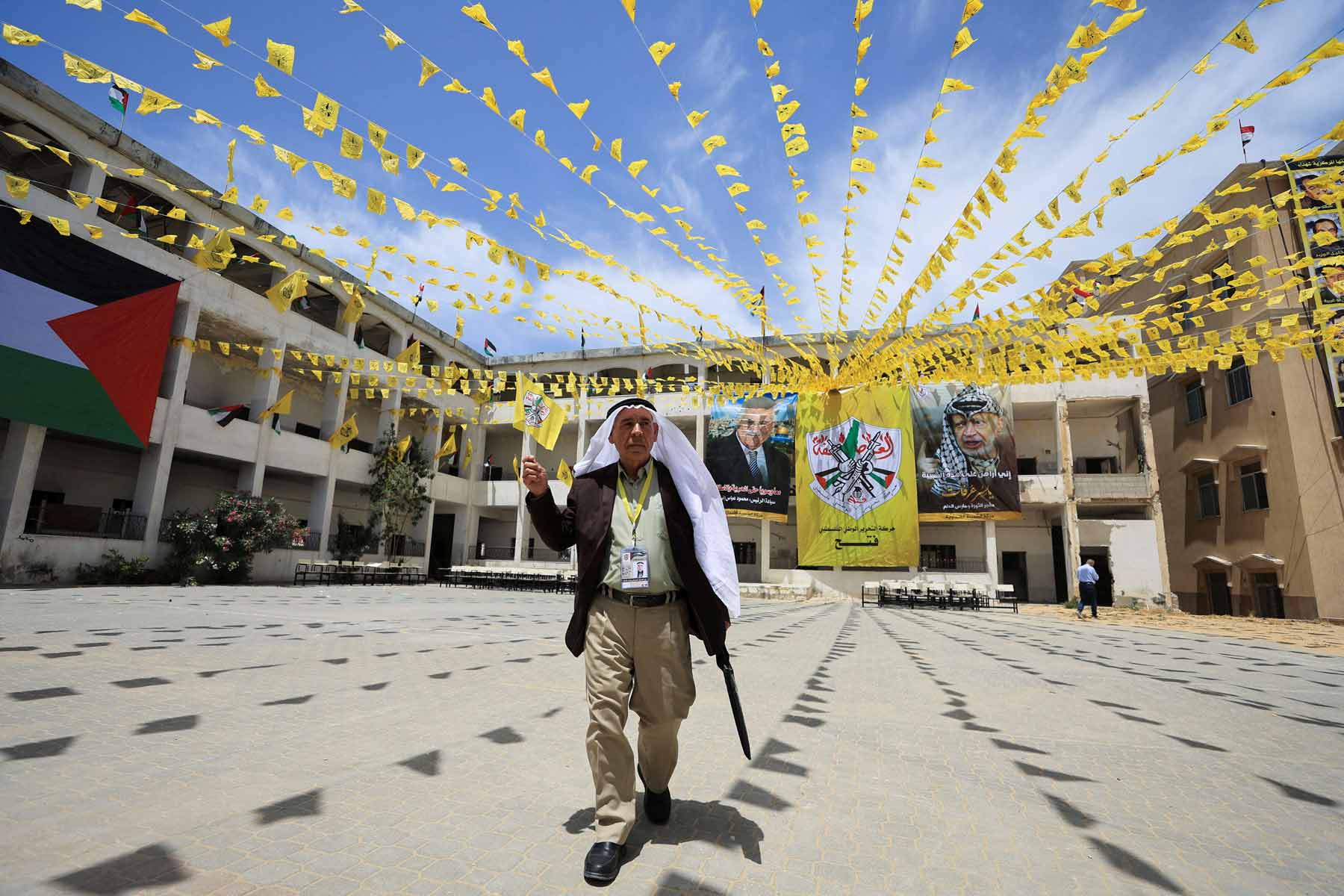
The conference, Fatah’s first in nearly a decade, recorded voter participation of 94.64 percent across Ramallah, Gaza, Lebanon and Cairo, according to conference officials.
Tuesday 19/05/2026
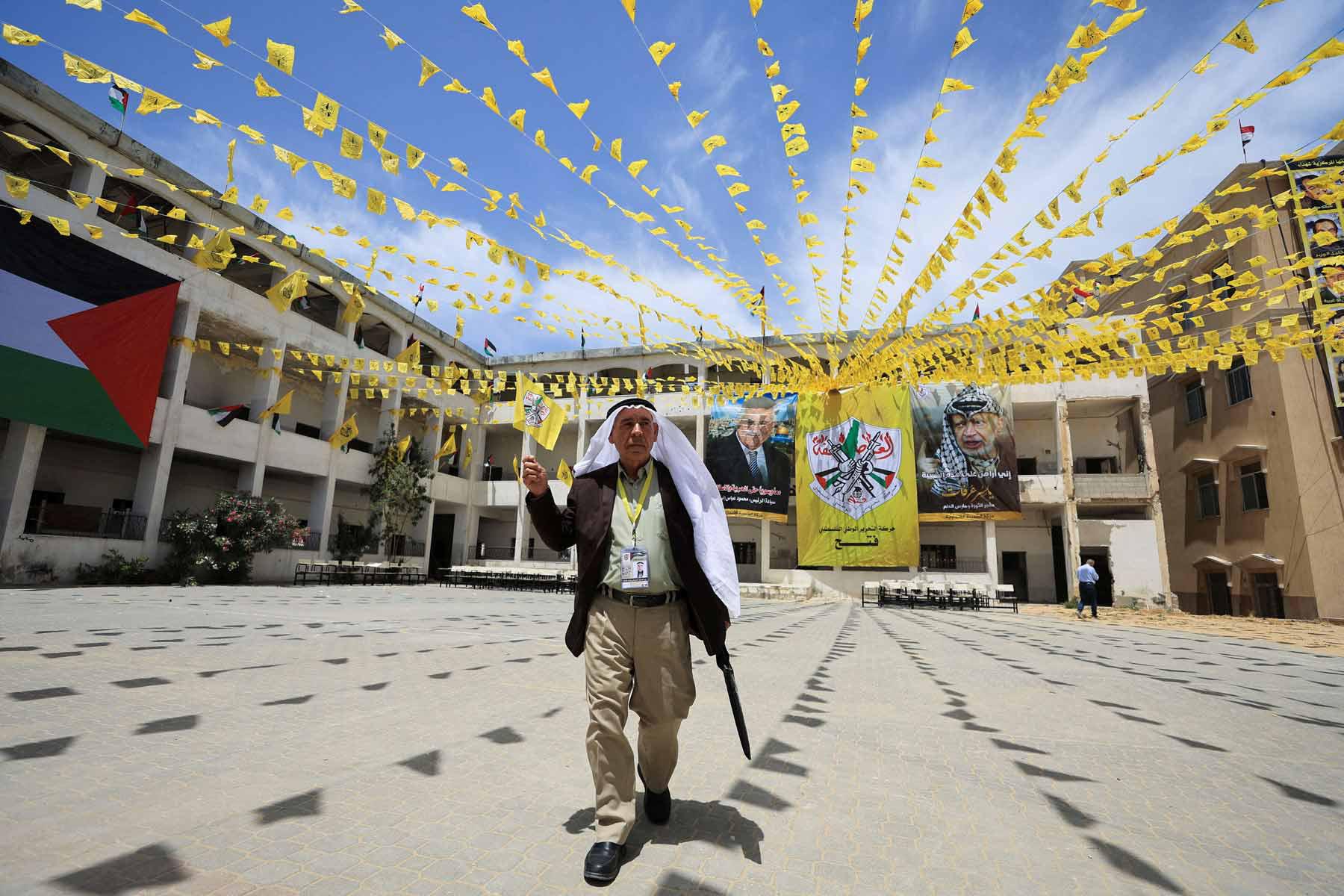
Fatah has yet to present a detailed political programme
RAMALLAH – Fatah concluded its eighth general conference with a sweeping leadership reshuffle that elevated imprisoned resistance figures alongside powerful security and administrative officials, highlighting growing tensions over succession and reform within the Palestinian movement dominated by President Mahmoud Abbas.
Final results announced on Monday showed imprisoned Palestinian leader Marwan Barghouti won the highest number of votes in elections for Fatah’s Central Committee, the movement’s top decision-making body, despite being held in an Israeli prison since 2002.
Palestinian intelligence chief Majed Faraj, senior Fatah official Hussein al-Sheikh and the president’s son Yasser Abbas also secured seats, underscoring the continued dominance of Abbas and his allies over the movement.
The conference, Fatah’s first in nearly a decade, recorded voter participation of 94.64 percent across Ramallah, Gaza, Lebanon and Cairo, according to conference officials.
The elections replaced roughly half of the previous Central Committee members, removing several prominent old-guard figures including Azzam al-Ahmad and Abbas Zaki while bringing in younger figures and officials linked to the Palestinian Authority’s security and administrative apparatus.
Barghouti’s victory was widely viewed as a sign of enduring support within Fatah’s grassroots for figures associated with resistance and imprisonment, at a time when the movement faces criticism over corruption, stagnation and the absence of elections.
Former militant commander Zakaria Zubeidi, who escaped from an Israeli prison in 2021 before later being recaptured and eventually released in a prisoner exchange deal during the Gaza war, also won a seat on the Central Committee.
Analysts said the results reflected a delicate balance between two competing currents within Fatah: one rooted in militant symbolism and popular legitimacy, and another centred on political coordination, institutional control and international backing.
The rise of Faraj and Sheikh is likely to reinforce the camp seen by regional and Western governments as best placed to preserve stability within the Palestinian Authority and oversee any future political transition after Abbas, who was unanimously reappointed as Fatah chairman before the vote.
The election of Yasser Abbas generated particular controversy because he had never previously held a senior role within Fatah or the Palestinian Authority.
Critics viewed his victory as evidence of growing attempts to consolidate influence around the president’s inner circle ahead of a possible succession battle.
“Mahmoud Abbas engineered this meeting to produce the outcome he wants and he succeeded,” former Central Committee member Nasser al-Qudwa told Al Jazeera before the results were announced.
Fatah officials defended the conference as proof of organisational renewal and reform, pointing to the emergence of younger members and the replacement of several longstanding leaders.
But some members privately criticised the process and said the movement remained tightly controlled by the presidency and security establishment.
The new leadership takes office at a time of mounting pressure on the Palestinian Authority from both domestic and international actors.
Western and Arab governments have demanded reforms in return for stronger support for the PA, particularly amid discussions over the future governance of Gaza after the war.
Fatah also faces growing public frustration over financial crises, the continued absence of presidential and legislative elections, Israeli settlement expansion in the occupied West Bank and the worsening humanitarian situation in Gaza.
Despite the leadership overhaul, the movement has yet to present a detailed political programme addressing succession, institutional reform or Palestinian reconciliation with Hamas.
The conference’s final statement outlined broad policy goals but provided few specifics on how the new leadership plans to navigate what many Palestinians see as one of the most difficult periods in the movement’s history.