
The era of secrets is over
The death of ambiguity: How the Iran war forced Washington to admit the reality of Israel’s arsenal
American laws, such as the Symington and Glenn Amendments, prohibit aid to countries that possess nuclear weapons outside the Non-Proliferation Treaty (NPT). By acknowledging the bombs, Washington is now forced to choose. It must either change its own laws or change its relationship with Israel.
Monday 25/05/2026
The era of secrets is over
For more than half a century, a silent agreement governed the security of the Middle East. This agreement was known as "nuclear ambiguity." Since 1969, Israel never admitted to possessing nuclear weapons. In return, the United States never asked questions. This arrangement allowed Washington to support its ally while avoiding the legal and political consequences of regional nuclear proliferation. However, the events of early 2026 have shattered this long-standing taboo. The recent war between Israel and Iran did more than just damage physical infrastructure. It effectively killed the policy of ambiguity. For the first time, Washington is publicly acknowledging the reality of Israel’s arsenal.
The Foundations of the Secret Pact
To understand the magnitude of this shift, one must look back to the meeting between Richard Nixon and Golda Meir. They established a framework where Israel would remain a "threshold" state in public eyes. This allowed the U.S. to ignore its own laws regarding aid to nuclear-armed nations. It also prevented a regional arms race for decades. The world knew the Dimona facility in the Negev desert was a nuclear weapons center. Satellite images and whistleblowers confirmed it. Yet, the official diplomatic language remained silent. This silence was the "Rules-Based Order" in action. It was a useful fiction that served Western interests for over fifty years.
The Catalyst: The March 2026 Strikes
The turning point arrived during the high-intensity conflict of February and March 2026. Unlike previous shadow wars, this conflict saw direct ballistic missile exchanges. On March 21, 2026, several conventional missiles landed near the Arad and Dimona regions. This event created an immediate global panic. The world faced a terrifying question. What would happen if a conventional strike triggered a nuclear response?
For the first time, the lack of transparency became a liability rather than an asset. Military analysts in Washington realized that "ambiguity" creates miscalculations. If Iran did not know Israel’s exact nuclear "red lines," they might accidentally cross them. Conversely, if Israel felt its deterrent was invisible, it might use it prematurely. The fog of war in 2026 proved that secrets are dangerous during a regional collapse. Washington decided that to save the region from a nuclear apocalypse, it had to define the parameters of Israel's power. It needed to speak the truth to set boundaries.
The Rubio Letter: A Political Earthquake
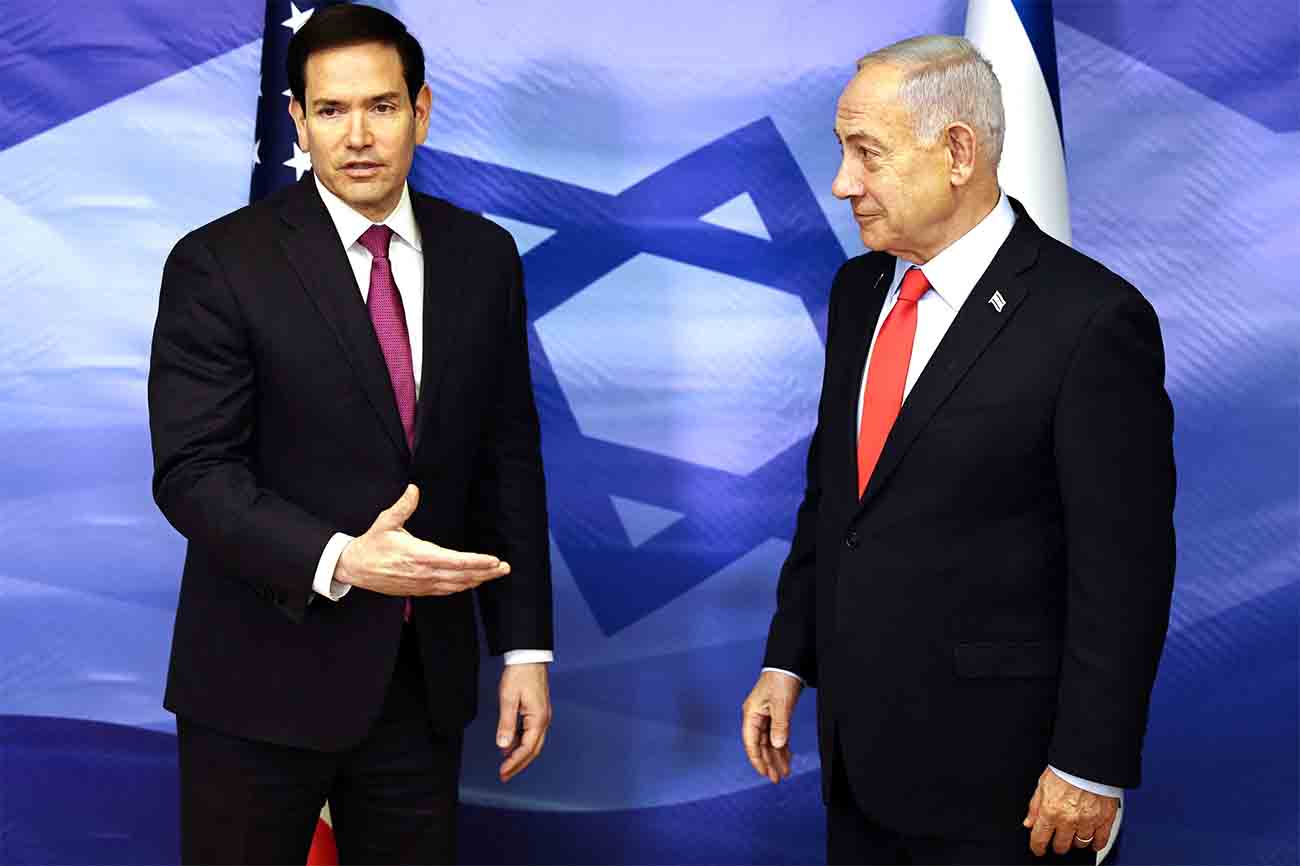
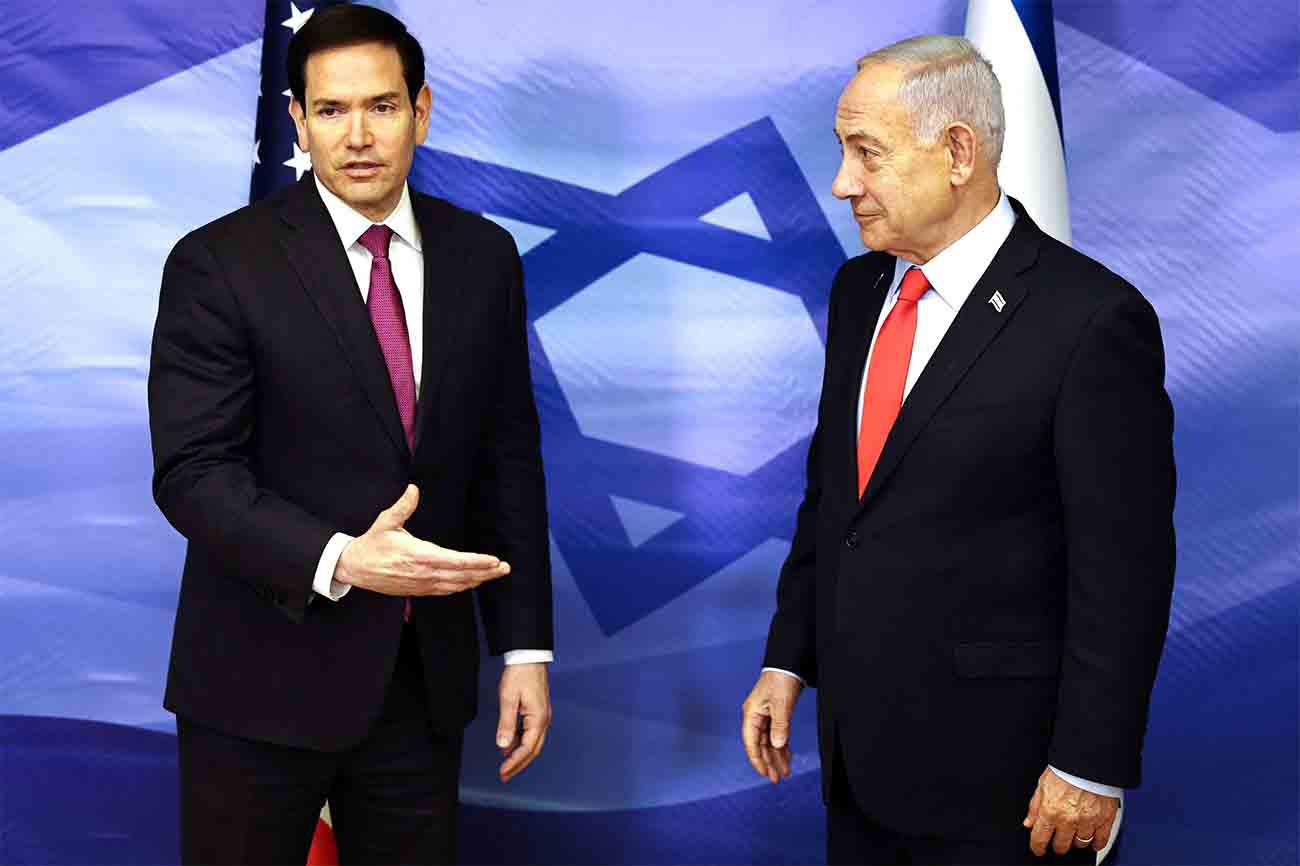
The shift moved from the battlefield to the halls of power in May 2026. A group of nearly thirty U.S. lawmakers recently sent a formal letter to Secretary of State Marco Rubio. This document was a historic rupture in American foreign policy. The lawmakers demanded a full briefing on Israel’s nuclear capabilities. They argued that American taxpayers cannot continue to fund a war without knowing the full extent of the risks.
Secretary Rubio’s response was even more shocking. Instead of the usual "we do not comment on intelligence matters," the administration began discussing "nuclear safety and coordination" with its ally. This choice of words is a de facto admission. You cannot coordinate nuclear safety with a nation that does not have nuclear weapons. By using this language, the U.S. government has effectively ended the era of denial. The secret is out, and it was the U.S. government that finally spoke the truth to the international community.
From Strategic Asset to Strategic Liability
For decades, the U.S. viewed Israel’s secret arsenal as a silent stabilizer. It was the "ultimate insurance policy." However, the 2026 war changed this perception. Many in the American intelligence community now see the secret arsenal as a "strategic liability."
If the U.S. admits that Israel is a nuclear power, it faces immense legal pressure. American laws, such as the Symington and Glenn Amendments, prohibit aid to countries that possess nuclear weapons outside the Non-Proliferation Treaty (NPT). By acknowledging the bombs, Washington is now forced to choose. It must either change its own laws or change its relationship with Israel. This tension is currently causing a massive rift between the White House and the Israeli government. The "special relationship" is being tested by the very weapons that were meant to protect it. The cost of maintaining the lie has finally become too high for the American political system to bear.
Regional Reactions: The End of the Double Standard
For audiences across the Middle East, this development is a moment of historic vindication. For fifty years, regional observers pointed out a glaring double standard. While Iran faced crushing sanctions for a civilian program, Israel received billions in aid for a military one. The death of ambiguity removes the mask of Western inconsistency.
In capitals like Riyadh, Cairo, and Doha, the conversation has shifted. If Israel is an admitted nuclear power, then the call for a "Nuclear-Weapon-Free Zone" in the Middle East becomes more urgent. Alternatively, it may trigger other regional powers to seek their own deterrents. The "Islamabad Opening" and the new China-Iran-Pakistan axis are already discussing a "Multipolar Deterrence" model. This model assumes that regional peace can only exist if all major powers have equal security guarantees. The admission of Israel’s arsenal makes the old Western monopoly on security impossible to maintain. Regional leaders are now preparing for a future where they must rely on their own strength rather than Western promises.
The Impact on Global Non-Proliferation
The death of ambiguity is also a death blow to the current global non-proliferation regime. The NPT was built on the idea that only five "official" powers could have nuclear weapons. Israel was always the "exception." Now that the exception is public, the rules of the NPT appear broken.
Nations in the Global South are watching closely. They see that a nation can build an arsenal, keep it secret for half a century, and still receive full support from the world's superpower. This realization may encourage other nations to follow the same path. The 2026 war has proven that the old treaties are no longer enough to manage a multipolar world. The credibility of the United Nations as a watchdog for nuclear safety has
been severely damaged. If the rules only apply to some, they eventually apply to none.
A Dangerous New Clarity
The world has entered a "Post-Ambiguity" era. While the truth is always better than a lie, this new clarity is dangerous. We are moving from a "Silent Middle East" to an "Openly Armed Middle East." The 2026 ceasefire, mediated through Pakistan, is only a temporary pause.
Washington’s admission of Israel’s arsenal was a move born of desperation. It was a desperate attempt to set "red lines" and prevent a global catastrophe during the height of the conflict. However, by breaking the taboo, the U.S. has also broken the foundation of its own regional policy. The "Rules-Based Order" is dead. In its place is a raw, multipolar reality where power is measured by the clarity of one's nuclear capability. The era of secrets is over.
The era of direct, dangerous confrontation has begun. For the people of the Middle East, the unveiling of Dimona is not just a diplomatic event. It is a signal that the region must now build its own security architecture, independent of the failed narratives of the past.