Pakistan's diplomacy on the rise
Pakistan emerges as key middle power amid shifting global security order
Pakistan is increasingly engaging in diversified partnerships. It maintains ties with China while also interacting with Western states and regional actors.
Friday 24/04/2026
Pakistan's diplomacy on the rise
The global order is undergoing a visible transition. The dominance of traditional great powers is no longer as absolute as it once was. In this shifting landscape, a critical question emerges: are “middle powers” such as Pakistan moving from the periphery to the center of global influence?
A middle power is typically defined as a state that is not a superpower but still possesses enough diplomatic, economic, and military capacity to influence international affairs. These states often act as bridge-builders, mediators, and stabilizers in global politics. What is new today is not the existence of such states, but the scale of their opportunity.
The Decline of Traditional Dominance
For decades after the Cold War, the global system was largely shaped by the unipolar dominance of the United States. That phase is now fading. Strategic fatigue, domestic political shifts, and changing economic realities have reduced the willingness of traditional powers to act as global managers.
At the same time, the rise of China has created a form of bipolar tension, but without the clarity or stability of the Cold War system. This has produced fragmentation rather than order. In such an environment, influence is no longer monopolized. It is negotiated.
This diffusion of power creates space. Middle powers are stepping into that space.
The Rise of Middle Powers as “Swing States”
In today’s multipolar environment, middle powers are increasingly described as “swing states.” Their choices can tilt regional balances and shape global outcomes.
Countries such as Turkey, Saudi Arabia, Indonesia, and Pakistan are no longer passive actors. They are actively pursuing independent foreign policies, often avoiding strict alignment with any single great power. This strategy allows them to extract benefits from competing blocs while maintaining strategic autonomy.
This is not simply opportunism. It reflects a deeper structural change. The global system is becoming more networked and less hierarchical.
Pakistan’s Emerging Role: From Security State to Diplomatic Actor
Pakistan provides a compelling case study of this transformation. Historically viewed through the narrow lens of security concerns, it is now attempting to reposition itself as a diplomatic and economic connector.
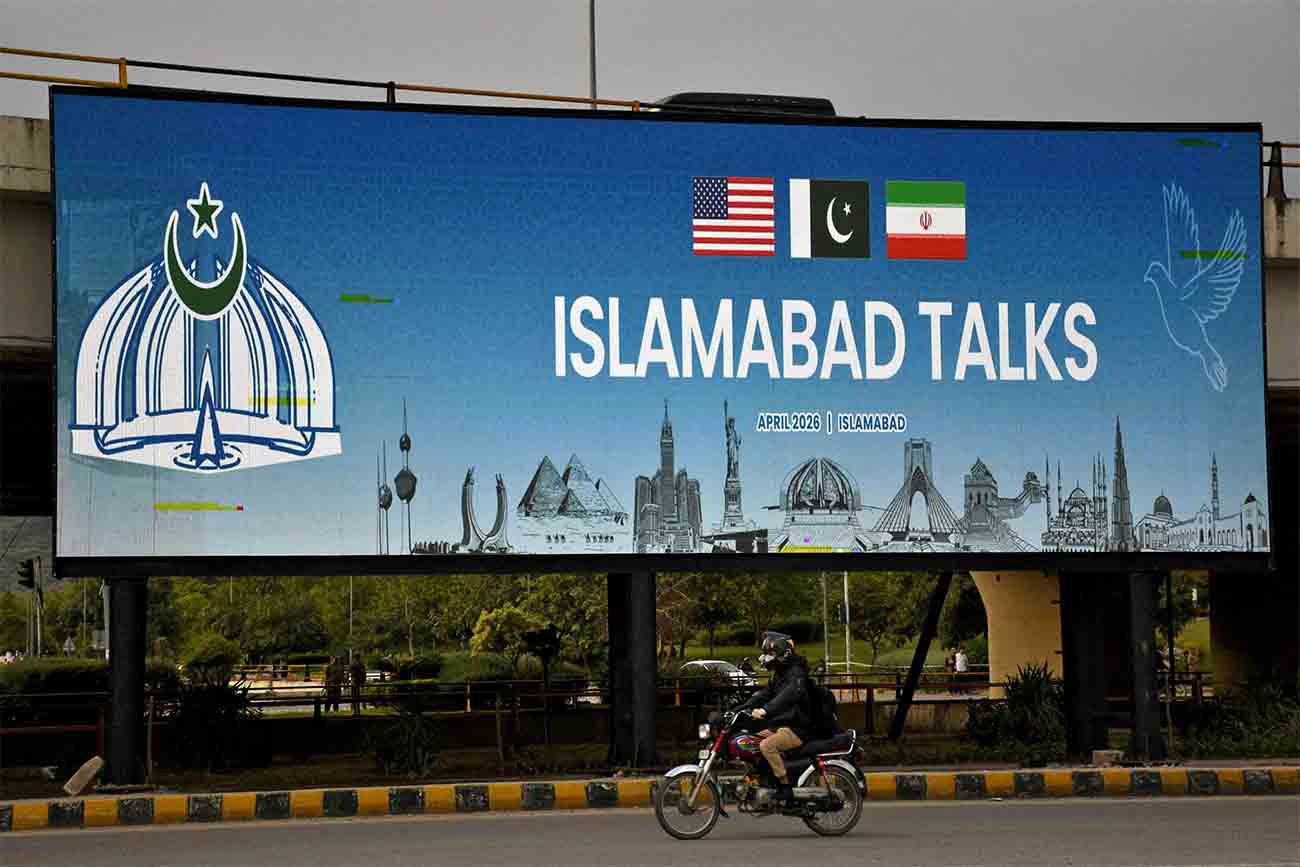
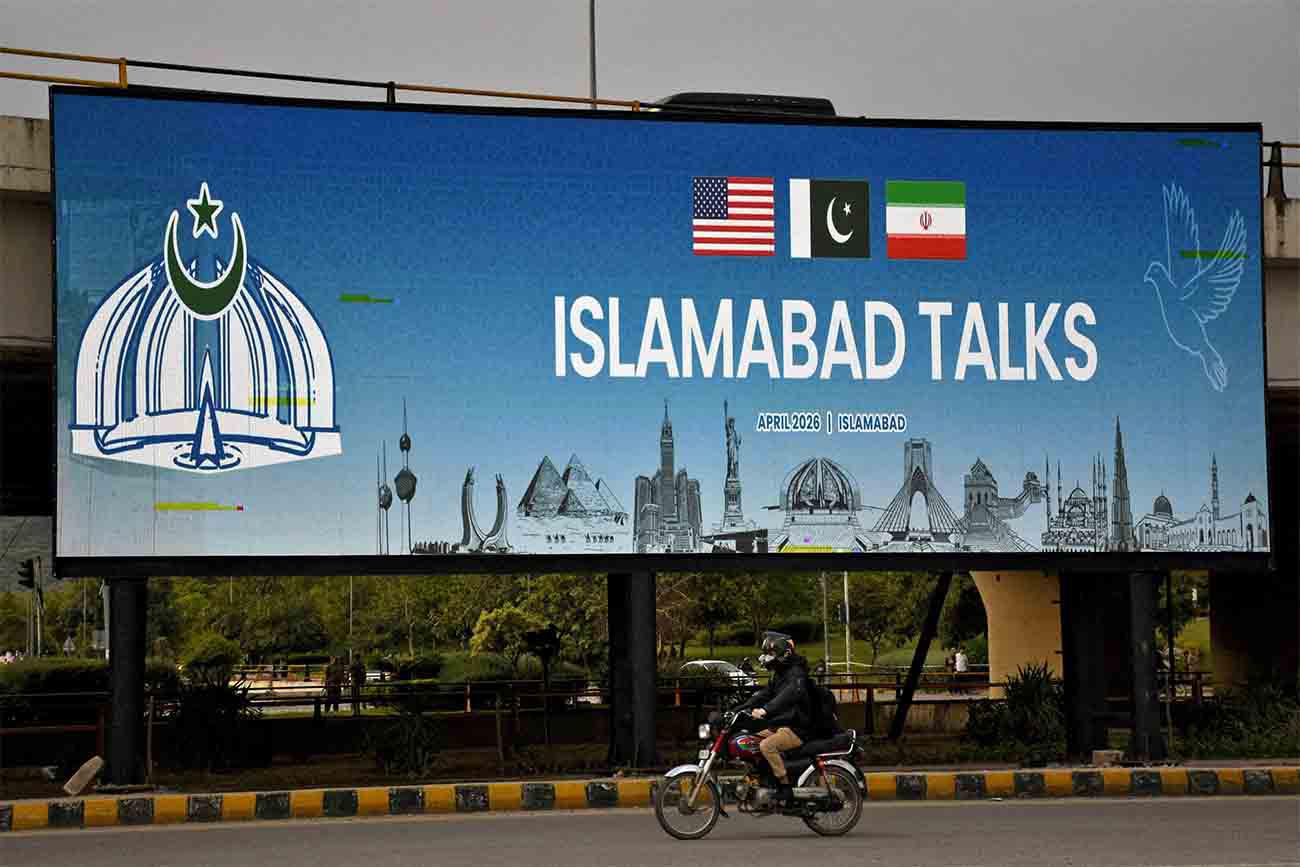
Recent developments highlight this shift. Pakistan has sought to mediate tensions between major rivals, including efforts to facilitate dialogue between Iran and the United States. Even the act of hosting talks enhances its international profile and signals a move toward proactive diplomacy.
This aligns with a broader strategy. Pakistan is leveraging its geography at the crossroads of South Asia, Central Asia, and the Middle East. Projects such as the China–Pakistan Economic Corridor aim to transform it into a regional connectivity hub.
Moreover, Pakistan is increasingly engaging in diversified partnerships. It maintains ties with China while also interacting with Western states and regional actors. This balancing act is a hallmark of middle power behavior.
Strategic Assets Behind the Ambition
Pakistan’s aspirations are not without foundation. It possesses several attributes associated with middle power status.
First, its geostrategic location is critical. It connects key regions and trade routes, making it relevant in both economic and security terms.
Second, its military capability, including nuclear deterrence, gives it weight in regional security calculations.
Third, its diplomatic flexibility allows it to engage with multiple actors simultaneously. This ability to maintain relationships across competing blocs is increasingly valuable in a fragmented world.
Finally, Pakistan is part of emerging networks of middle powers. There is growing discussion of cooperation among countries such as Pakistan, Turkey, and Saudi Arabia, reflecting a broader trend toward middle-power coordination.
Limits and Constraints
However, the rise of middle powers should not be overstated. Their influence remains conditional.
Pakistan, for instance, faces significant domestic challenges. Economic instability, political uncertainty, and institutional weaknesses limit its ability to project sustained global influence.
Moreover, middle powers operate within a system still shaped by great powers. They can mediate and influence, but they rarely determine outcomes independently.
There is also the risk of overextension. Acting as a mediator or balancing between rivals requires credibility and resources. Any miscalculation can expose vulnerabilities rather than enhance status.
A New Kind of Power Politics
What is emerging is not a simple replacement of great powers by middle powers. Instead, it is a more complex system in which influence is shared and contested.
Middle powers are not dominating the global order. They are shaping it in specific ways. They act as connectors, brokers, and stabilizers. They fill gaps left by retreating or distracted great powers. They also exploit rivalries to advance their own interests.
This creates a more fluid and unpredictable international system. Alliances are less rigid. Partnerships are more transactional. Diplomacy becomes more decentralized.
Forefront or Fragment?
The rise of middle powers is real, but it should not be misunderstood. This is not a story of new dominance. It is a story of changing roles.
Countries like Pakistan are gaining space to act. They are more visible, more active, and more confident. They can open dialogue, connect regions, and influence outcomes at key moments. This gives them a place closer to the center of global affairs than before.
But this position is not secure or permanent. It depends on timing, credibility, and internal strength. Without economic stability and political consistency, influence can fade quickly. A middle power can step forward, but it can also be pushed back just as fast.
The global system itself is also changing. It is becoming less orderly and more fragmented. There is no single power setting the rules. There are many actors, each pursuing their own interests. In such a system, influence is shared, but it is also uncertain.
So the real question is not whether middle powers are at the forefront. It is whether they can turn opportunity into lasting impact.
For Pakistan, the path is clear but demanding. It must strengthen its economy, build trust in its diplomacy, and act with consistency. If it succeeds, it can remain relevant and shape events in meaningful ways. If it fails, it risks being part of the fragmentation rather than a force that manages it.
The future of middle powers will not be decided by global trends alone. It will be decided by their own choices.