

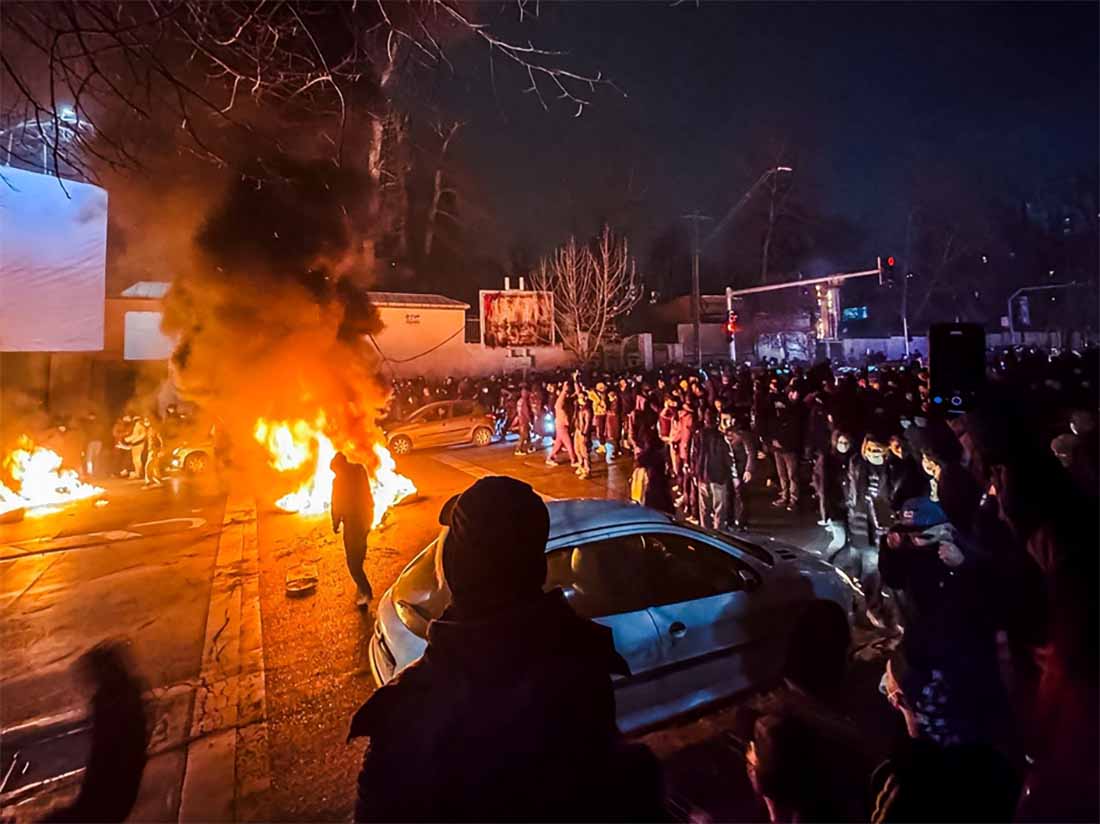
Ordinary Iranians bear the consequences of international conflict while simultaneously enduring domestic repression
Manufactured tension: How Iran’s leadership turns crisis into a tool of survival
The leadership in Tehran appears to face what might be called two parallel wars. One is external, against regional and global adversaries. The other is internal, against a society that has repeatedly demonstrated its frustration, anger, and willingness to challenge the system itself.
Tuesday 02/06/2026
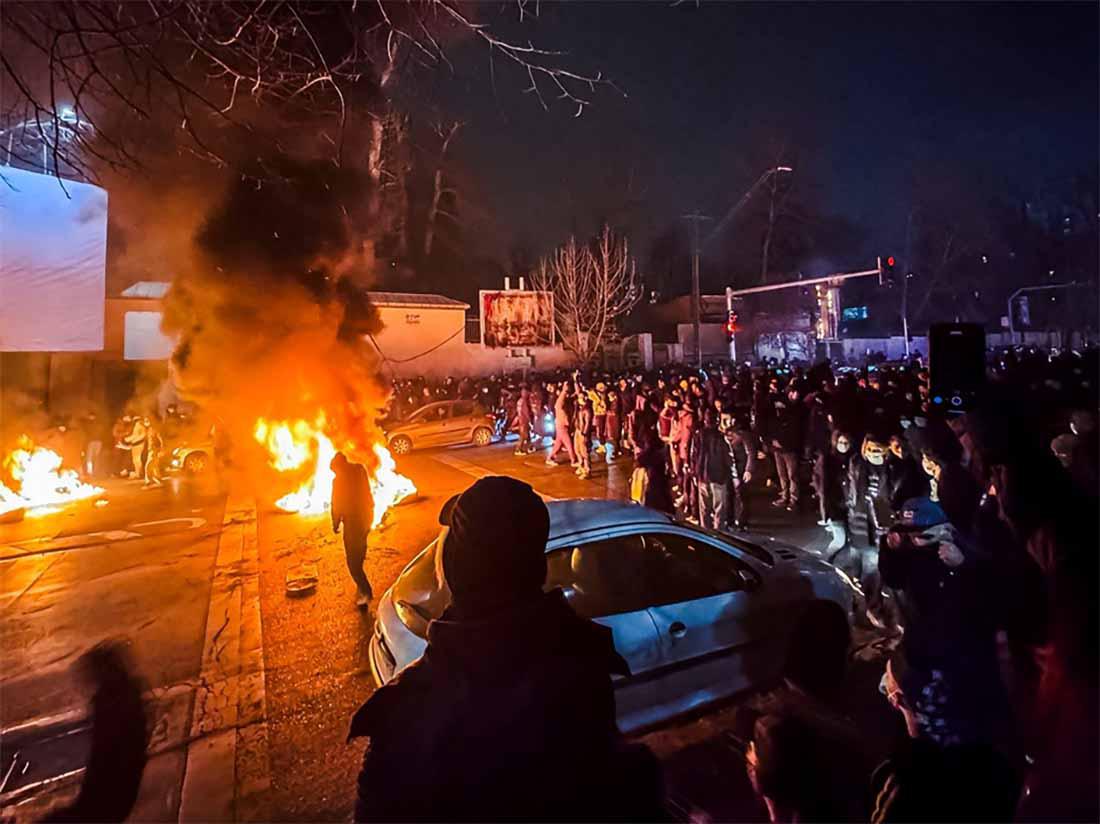
Ordinary Iranians bear the consequences of international conflict while simultaneously enduring domestic repression
In the span of just a few months, Iranians have twice found themselves living under the shadow of war. In most countries facing external conflict, citizens instinctively rally behind the state. National survival temporarily overrides political divisions. Nevertheless, Iran is not most countries. For millions of Iranians, war does not represent national unity or collective purpose. Instead, it often deepens the sense that they are paying the price for conflicts in which they have little voice and even less stake.
What makes the situation more striking is that, even amid rising regional tensions and fears of military confrontation with the United States and Israel, the Iranian authorities have continued executing their own citizens. In recent weeks, several prisoners accused of links to the opposition group People's Mojahedin Organization of Iran were reportedly put to death, with more executions expected. These actions reveal an uncomfortable reality about the Islamic Republic: its harshest defensive measures are often directed not at foreign enemies, but at its own population.
The leadership in Tehran appears to face what might be called two parallel wars. One is external, against regional and global adversaries. The other is internal, against a society that has repeatedly demonstrated its frustration, anger, and willingness to challenge the system itself. Further, if one studies the history of the Islamic Republic over the past 47 years, a troubling pattern emerges: the regime seems far more fearful of domestic uprising than of foreign confrontation.
The clearest example remains the Iran–Iraq War. Iraq undeniably initiated the war with its invasion in September 1980. Yet by 1982, after Iranian forces had largely pushed Iraqi troops back, opportunities for a ceasefire had emerged through international mediation efforts. Ayatollah Ruhollah Khomeini rejected those possibilities and chose to continue the war for another six years.
The official justification centered on revolutionary ideals and resistance against aggression. However, the war also produced profound domestic consequences that strengthened the new ruling order. Under wartime conditions, dissent became easier to suppress, opposition movements were marginalized, and security institutions expanded dramatically. The conflict did not merely protect the Islamic Republic from an external threat; it helped cement the political architecture that still governs Iran today.
The same logic can be seen in the Iranian regime’s treatment of organized opposition groups, particularly the People's Mojahedin Organization of Iran. Since the earliest days of the revolution, the authorities have viewed the organization as an existential threat. The most notorious episode came during the summer of 1988, when thousands of political prisoners—many reportedly affiliated with the group—were executed in mass killings that remain among the darkest chapters in modern Iranian history.
A clear sign of the real war was the events of January 7 and 8, 2026, in which the regime carried out widespread massacres to suppress public demonstrations in various cities, with estimates ranging from 3,000 to even forty thousand deaths in two days. Eyewitnesses say the number of bodies was so large that ambulance crews were exhausted from carrying them. Black body bags reportedly ran out in storage facilities, forcing security forces to use trucks to transport the dead to military and public hospitals, forensic morgues, and cemeteries.
Each time, the authorities responded with overwhelming force, mass arrests, and executions. The message has remained consistent: preserving the system takes priority over political reconciliation. In these current days, when the war has not yet come to an end, the Iranian government has brought its Iraqi and Pakistani mercenaries to the streets of Iran to prevent protest gatherings and ultimately a new uprising.
This is why the recent executions carry significance beyond the fate of the individuals involved. They are part of a broader strategy of deterrence aimed inward, not outward. A video that circulated widely online in recent weeks appeared to show six imprisoned Mojahedin members singing together days before their execution, expressing solidarity and commitment to their cause. The images resonated because they reflected a larger truth about contemporary Iran: the struggle inside the country is no longer merely political. It has become deeply psychological and existential.
For the Iranian leadership, external confrontation may actually offer strategic advantages. Negotiation, normalization, or lasting peace with long-standing enemies could weaken the ideological framework upon which the Islamic Republic has relied for decades. A society no longer mobilized around “resistance” may begin asking more difficult questions about corruption, repression, economic failure, and political freedoms.
This does not necessarily mean Tehran actively seeks war, but history suggests that the regime has repeatedly demonstrated an ability to transform crisis into political survival. Confrontation abroad creates justification for securitization at home. External enemies become useful tools for silencing internal demands.
The tragedy is that ordinary Iranians are trapped between these two fronts. They bear the consequences of international conflict while simultaneously enduring domestic repression. Unlike governments that gain legitimacy through national unity during wartime, the Islamic Republic increasingly appears to rule through fear of what peace itself might unleash.
Abdollah Pakatchi is an expert on Middle East affairs, with a focus on Iran's domestic and foreign relations.
