

For Baghdad, the challenge is not merely security-related
Iraq pushes ahead with drive to bring all arms under state control
The government’s strategy reflects a broader vision linking security reform to economic transformation.
Monday 08/06/2026
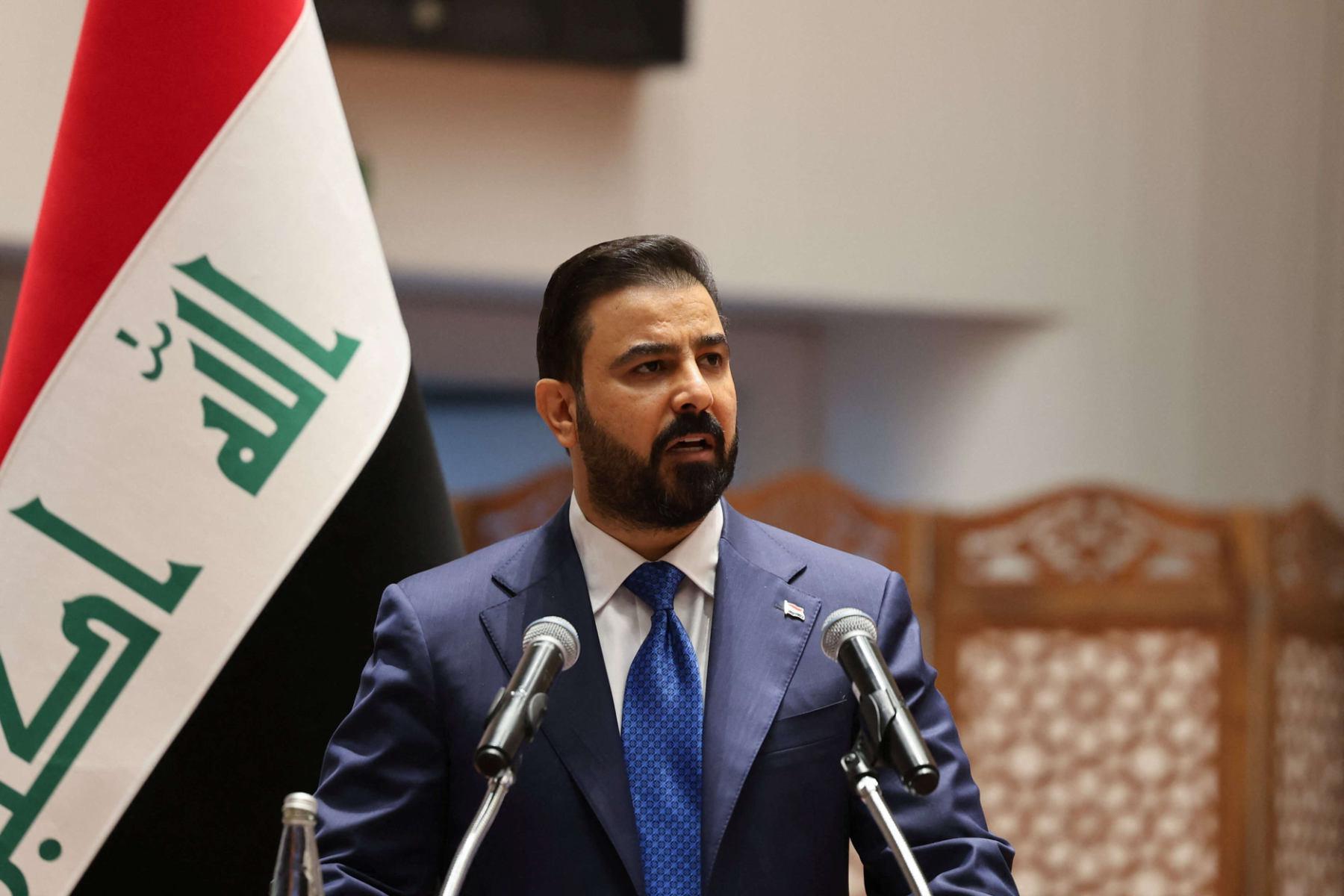
For Baghdad, the challenge is not merely security-related
BAGHDAD – Iraq’s new government is accelerating efforts to bring armed factions under state control in what is emerging as one of the most ambitious attempts in years to consolidate security authority, strengthen sovereignty and reshape the country’s economic future.
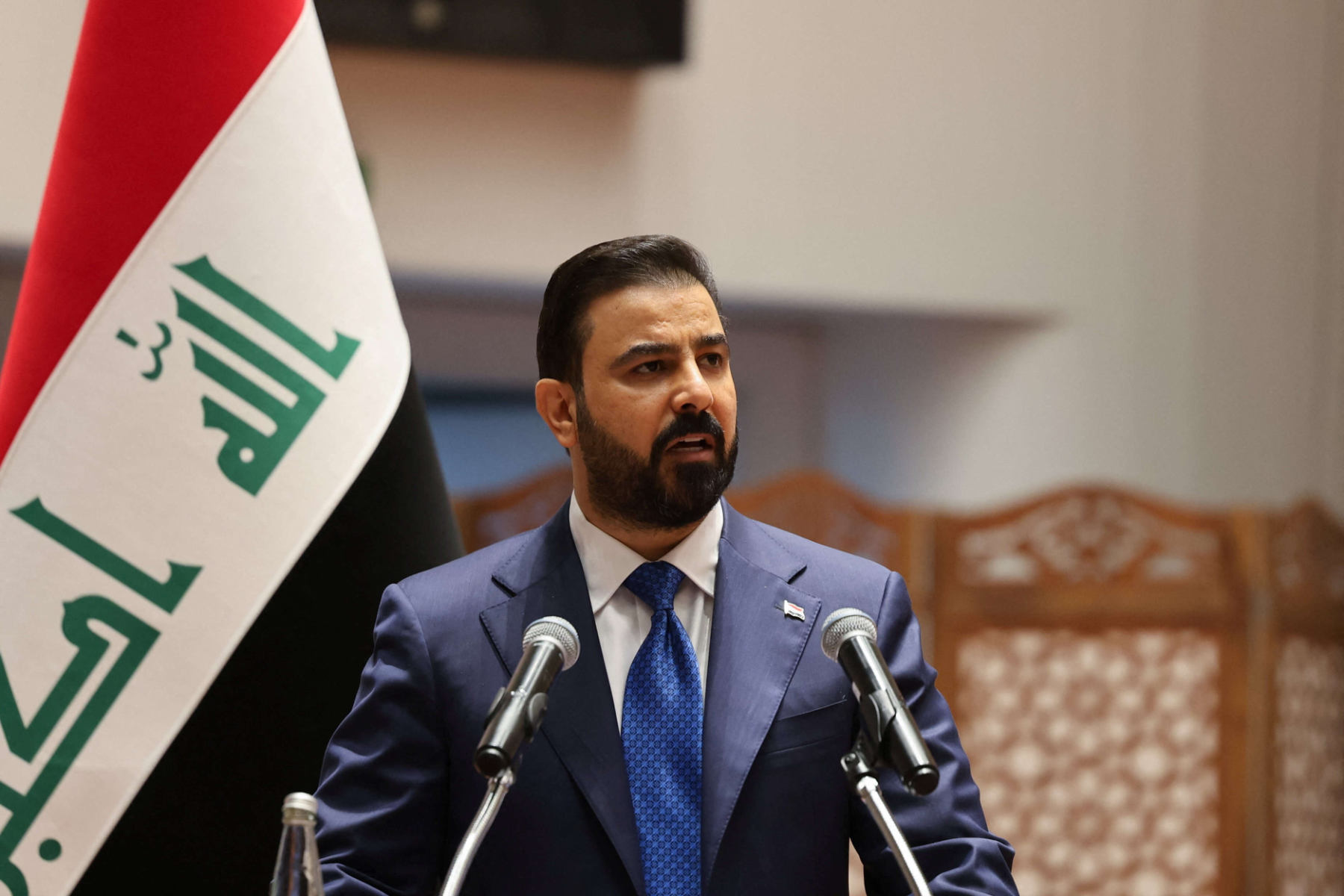
Prime Minister Ali al-Zaidi has placed the state’s monopoly on weapons at the centre of his political programme, winning support from key Iraqi institutions, influential Shiite actors and Washington, which views the initiative as a critical test of Baghdad’s ability to strengthen state authority and curb the influence of Iran-backed groups.
The campaign comes as Zaidi prepares for his first visit to the United States since taking office, following an invitation from President Donald Trump.
Although Iraq’s parliament approved Zaidi’s government on May 14, nine cabinet posts remain vacant because of political disputes and reported American objections to the appointment of some figures linked to armed factions.
Despite the absence of defence and interior ministers, the government has pressed ahead with a sensitive disarmament and integration programme.
A major boost came when Saraya al-Salam, the armed movement affiliated with influential Shiite cleric Moqtada al-Sadr, voluntarily handed over weapons and facilities to the state in Samarra.
The move was widely interpreted as a strong endorsement of Zaidi’s reform agenda and a signal to other factions that Baghdad intends to move decisively on the issue.
Other groups have since begun reviewing their military structures and relations with the armed forces command, while some have launched programmes aimed at integrating fighters into official institutions.
President Nizar Amedi used the Delphi Economic Forum in Sulaymaniyah to publicly support the effort, describing stability as a prerequisite for economic development and stressing that dialogue remains the preferred mechanism for resolving the issue.
“As part of these efforts, we have welcomed and commended the decisions taken by a number of armed factions to cooperate in ensuring that the state alone retains the legitimate authority to bear arms,” Amedi said.
“Dialogue and understanding in this regard remain ongoing, with the objective of strengthening security and stability and creating conditions conducive to reconstruction and development.”
The government’s strategy reflects a broader vision linking security reform to economic transformation.
Iraq remains heavily dependent on oil revenues and has faced increasing economic pressures, particularly following disruptions linked to tensions around the Strait of Hormuz.
During a recent meeting with business leaders and banking executives, Zaidi pledged to open Iraq further to private-sector investment, combat corruption and create a more attractive environment for international companies.
“We have an upcoming official visit to the United States,” Zaidi said. “We will take a number of business leaders with us to expand opportunities for mutual investment and partnership.”
He also announced plans for a development fund supported by a $10 billion contribution from the Central Bank of Iraq, with shares to be offered to Iraqi citizens.
Washington appears eager to support the new government’s agenda.
Trump offered unusually strong backing following Zaidi’s confirmation and has signalled support for Baghdad’s efforts to ensure that weapons remain exclusively in the hands of the state.
The recent appointment of Tom Barrack as the US president’s representative to Iraq, in addition to his role in Syria, has been viewed as another sign of growing American engagement.
Yet significant obstacles remain.
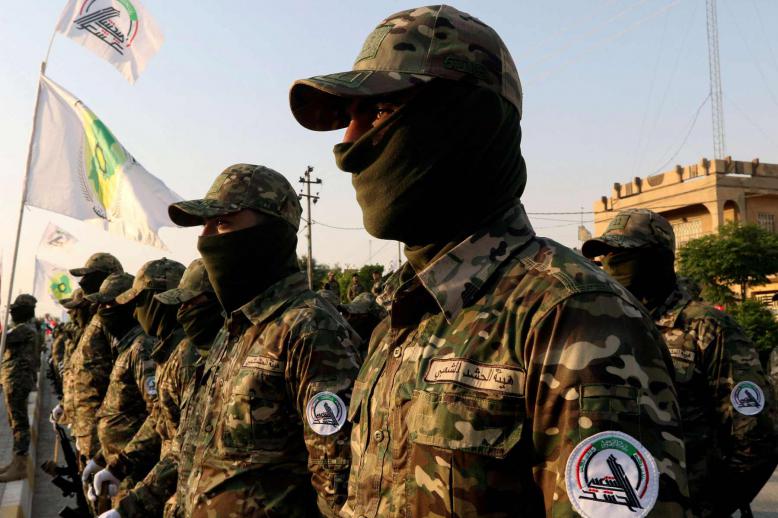
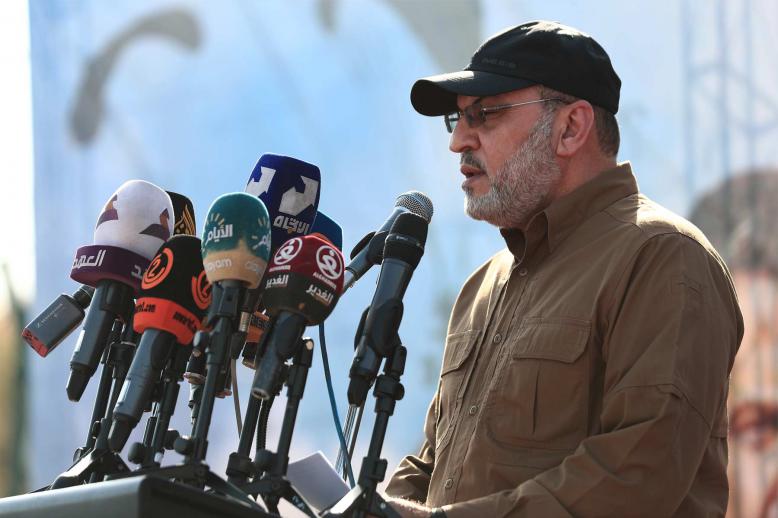
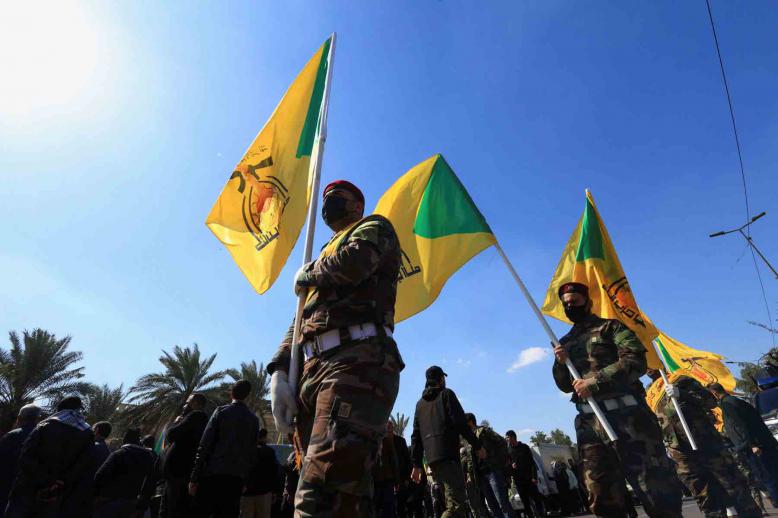
Some factions aligned with Iran continue to reject plans to surrender weapons or accept tighter state control. Harakat al-Nujaba has openly opposed the initiative, arguing that efforts to restrict weapons to official institutions target resistance groups and the Popular Mobilisation Forces.
For Baghdad, the challenge is not merely security-related. The government must navigate a web of political alliances, economic interests and military realities that have evolved over two decades.
To ease concerns, Iraqi officials are reportedly considering employment programmes capable of absorbing tens of thousands of former fighters into state institutions and the civilian economy.
Analysts say the success or failure of the project could have far-reaching consequences.
If successful, it could strengthen Iraq’s sovereignty, improve investor confidence, reduce external influence and create conditions for long-term economic growth.
If it falters, Iraq risks preserving parallel power structures that could continue to challenge state authority and complicate efforts to build stable and accountable institutions.
For now, Baghdad appears determined to push ahead, viewing the consolidation of weapons under state control as both a security necessity and a cornerstone of Iraq’s broader national recovery strategy.