

Unresolved struggle over power and identity
Libya’s ‘Central Region’ proposal reopens historic fault lines over federalism
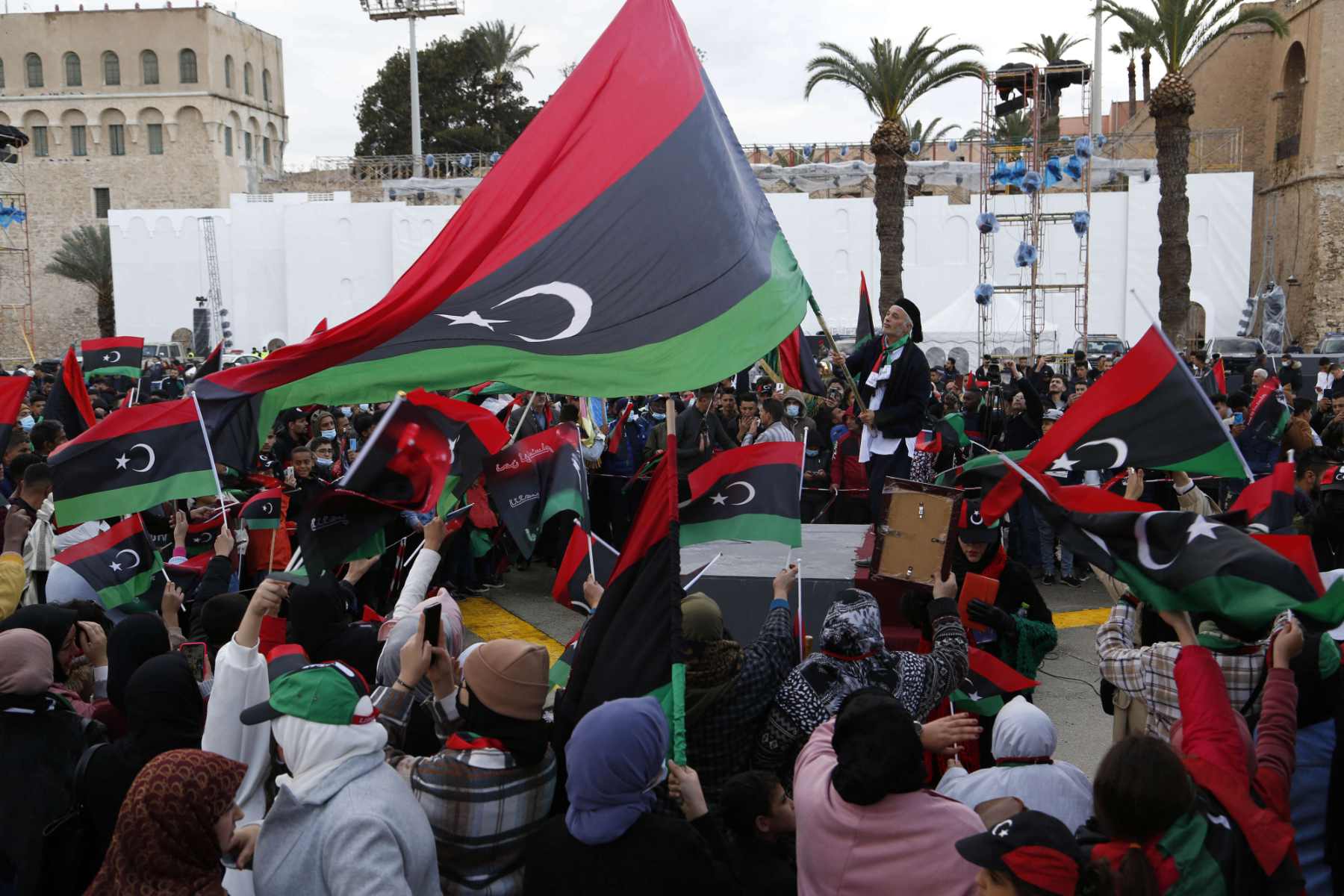
Protests erupted in the cities of Bani Walid and Tarhuna, where demonstrators rejected the inclusion of their municipalities in the proposed entity.
Thursday 11/06/2026
Unresolved struggle over power and identity
TRIPOLI – A proposal to establish a new “Central Region” in Libya has triggered political, legal and public controversy, exposing deep divisions over decentralisation and the future shape of the Libyan state as the country continues to struggle with institutional fragmentation more than a decade after the fall of Muammar Gaddafi.
What began as an initiative presented by local authorities as a framework for cooperation between municipalities has rapidly evolved into a wider national debate about regional power, local governance and the balance between decentralisation and national unity.
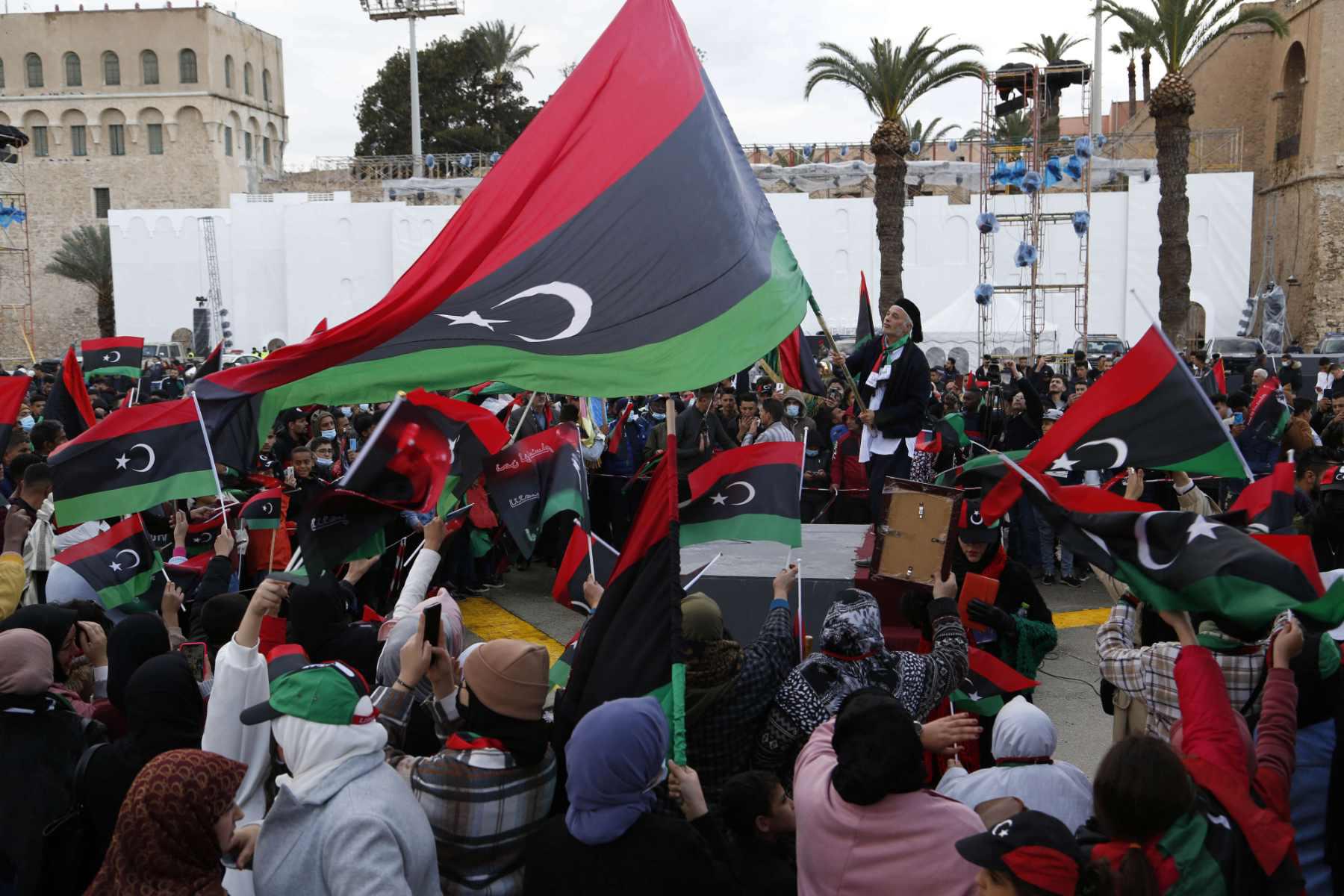
Within hours of the announcement, protests erupted in the cities of Bani Walid and Tarhuna, where demonstrators rejected the inclusion of their municipalities in the proposed entity and accused organisers of moving forward without consulting local communities.
Protesters argued that decisions of such political and administrative significance should not be taken without broad public dialogue and demanded a transparent debate on the project's objectives, legal basis and potential implications.
The proposed Central Region would bring together nine municipalities, Misrata, Bani Walid, Tininai, Al-Mardum, Zliten, Al-Khums, Tarhuna, Qasr Al-Akhyar and Msallata.
Supporters describe the initiative as a mechanism to strengthen coordination between municipalities, improve public services and accelerate local development efforts in areas that have long suffered from inadequate infrastructure, weak service provision and bureaucratic obstacles linked to central government administration.
Yet the initiative has quickly become entangled in Libya's broader political disputes.
For many Libyans, the proposal touches on sensitive questions about the distribution of authority between the capital and the regions at a time when the country remains divided between rival institutions and competing political centres of power.
Efforts to organise long-delayed national elections and end Libya's protracted transitional period have repeatedly stalled, leaving unresolved questions about governance and state structure.
Against that backdrop, critics view any initiative carrying a regional dimension with caution, fearing it could reinforce existing divisions rather than contribute to national reconciliation.
Some opponents argue that even if the project is presented as an administrative coordination platform, it could gradually evolve into a political framework that strengthens regional identities and local power structures at the expense of national institutions.
They contend that Libya's crisis has never been solely about public services or local administration, but fundamentally about power, influence and control, making any attempt to redraw relationships between cities and regions politically sensitive.
Others warn that regional entities could become vehicles for expanding the influence of local actors with significant economic or military weight, particularly while state institutions remain weak and unable to exercise unified authority across the country.
Supporters reject those concerns, saying the initiative is a practical response to chronic governance shortcomings.
They note that Libyan municipalities have long complained of limited authority, insufficient funding and administrative constraints that have hampered their ability to meet residents' basic needs.
From their perspective, closer cooperation between municipalities could help overcome bureaucratic obstacles, improve service delivery and facilitate joint development projects among areas with shared economic, social and geographic interests.
However, the announcement has also raised immediate legal questions.
A number of legal experts argue that creating regions or altering the country's administrative structure falls within the authority of national legislative institutions rather than municipal councils.
That has prompted questions over the exact nature of the proposed Central Region and whether it is intended merely as a coordinating body or could eventually acquire broader political and administrative powers.
The absence of clear answers has fuelled speculation and added to the controversy surrounding the initiative.
The debate has also revived one of Libya's most contentious post-2011 issues: decentralisation.
Following decades of highly centralised rule, demands grew after the 2011 uprising for greater local authority and more balanced regional development.
Yet discussions about decentralisation have consistently been accompanied by fears that administrative reforms could evolve into projects with political or territorial ambitions that might threaten national cohesion.
As a result, many Libyan politicians distinguish between administrative decentralisation aimed at improving governance and the creation of regional structures that could revive historical divisions.
Those concerns are rooted partly in Libya's own history.
Following independence in 1951, Libya was established as a federal state comprising three regions, Tripolitania, Cyrenaica and Fezzan. The federal system was later abandoned in favour of a more centralised model after it was judged unable to build strong national institutions capable of governing the country effectively.
Nevertheless, debates over federalism, regionalism and decentralisation have repeatedly resurfaced whenever political crises deepened or perceptions of marginalisation intensified in certain parts of the country.
The issue gained renewed prominence after 2011 as several cities emerged as influential political, military and economic centres with significant leverage over national affairs.
The latest controversy comes as Libyan political actors continue efforts to revive the political process through dialogue and mediation initiatives aimed at overcoming years of deadlock.
Yet the fierce reaction to the Central Region proposal underlines how unresolved the question of power-sharing remains.
What was initially presented as a framework for municipal cooperation has quickly evolved into a broader debate about the future of the Libyan state, the distribution of authority and the mechanisms needed to reconcile local interests with national unity.
With protests continuing and legal questions unanswered, the initiative appears likely to remain the subject of intense political scrutiny in the coming months.
More fundamentally, the controversy illustrates a challenge that has confronted Libya throughout its post-Gaddafi transition: how to build a unified state capable of accommodating regional and local realities without allowing those differences to become a permanent source of division.
In a country where institutions remain fragmented and political authority contested, even initiatives promoted under the banners of development and local cooperation can rapidly become part of a much larger debate about Libya's future political order.