
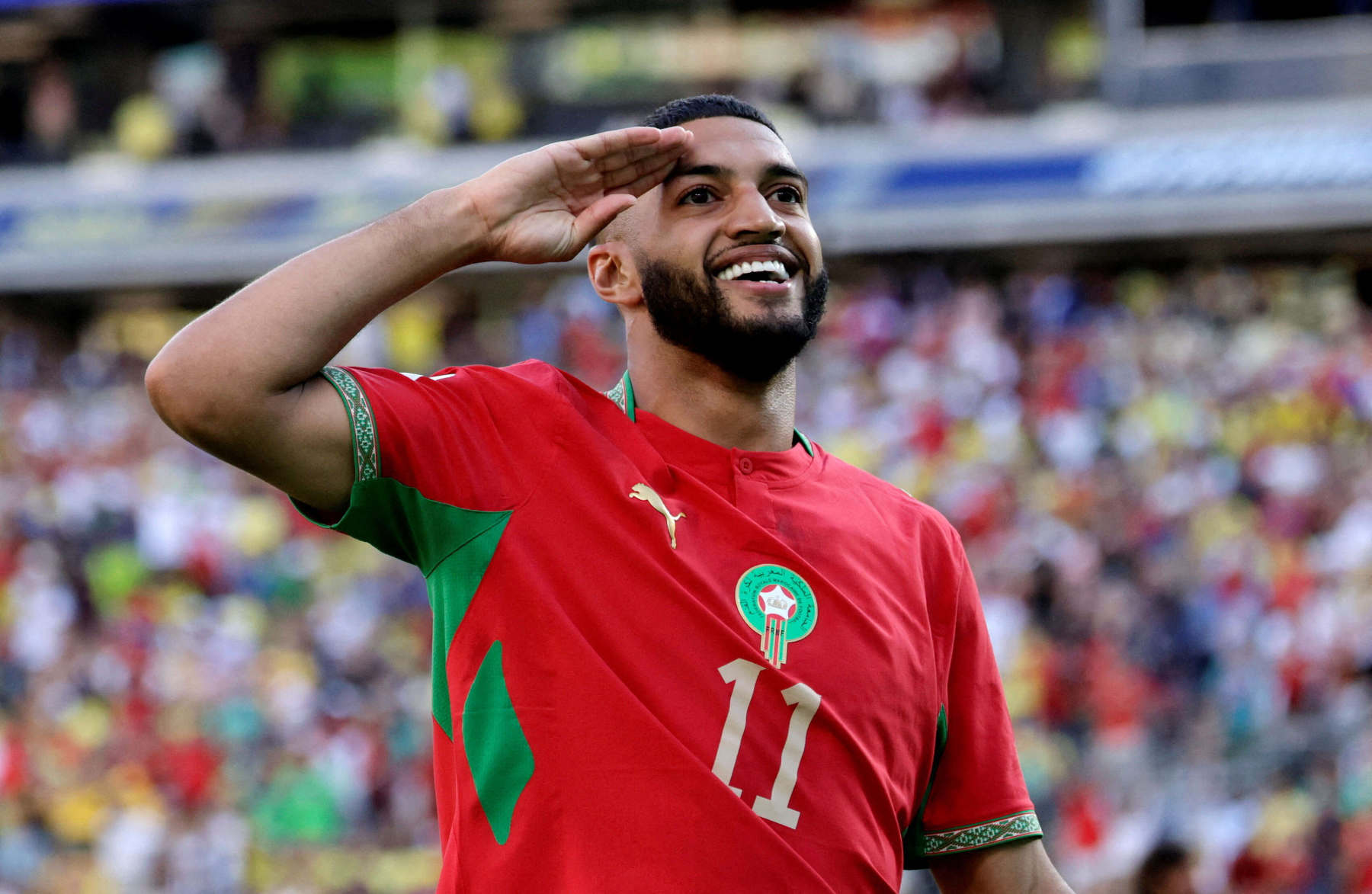
A goal worthy of the occasion
Morocco stand tall against Brazil in World Cup curtain-raiser
Morocco adopted an aggressive high-pressing approach that unsettled Brazil and repeatedly forced errors in the South Americans’ attempts to build attacks from the back.
Monday 15/06/2026
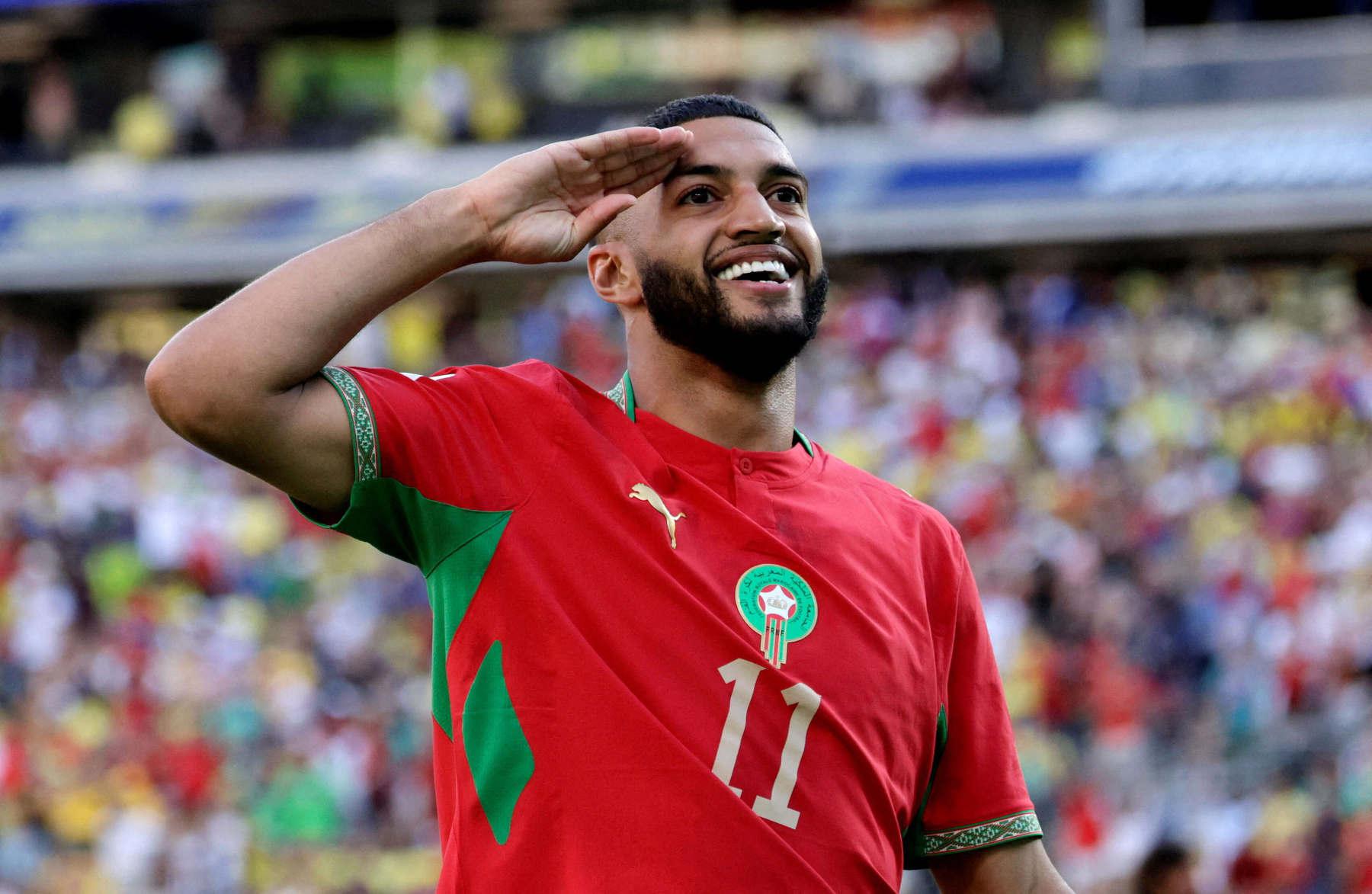
A goal worthy of the occasion
NEW JERSEY – Morocco opened their 2026 World Cup campaign with an impressive 1-1 draw against Brazil in the opening match of Group C, delivering a performance rich in both technical quality and symbolic significance against one of the tournament’s leading title contenders.
The result carried importance far beyond the single point earned. It offered fresh evidence that Morocco’s presence among the world’s elite is no longer a fleeting achievement, but the product of a sustained rise that began with the Atlas Lions’ historic run to the semi-finals of the 2022 World Cup in Qatar.
The match also marked the beginning of a new era for Morocco under head coach Mohammed Wahbi, who is leading the national side into its first major tournament following the successful tenure of Walid Regragui, the architect of Morocco’s most celebrated footballing achievement. The team arrived in the United States carrying heightened expectations from supporters across the Arab world and beyond, while also attracting increased attention as Morocco prepares to host major continental football events, including the Africa Cup of Nations.
The pressure showed little effect on the players, who imposed themselves from the opening minutes. Morocco adopted an aggressive high-pressing approach that unsettled Brazil and repeatedly forced errors in the South Americans’ attempts to build attacks from the back.
Morocco’s dominance was rewarded with a deserved opener from Ismael Saibari, who calmly converted Brahim Diaz’s incisive pass. The goal reflected Morocco’s superiority during long stretches of the first half, when they dictated the tempo and restricted Brazil’s attacking threat.
Brazil eventually restored parity through Vinicius Junior, who capitalised on one of his side’s limited opportunities to bring the match level. Yet even after the equaliser, Morocco largely maintained the upper hand in terms of organisation, intensity and overall performance.
The contest also highlighted an intriguing tactical battle on the touchline. The duel between Wahbi and his Brazilian counterpart resembled an open game of chess, with the Moroccan coach successfully imposing many of his strategic choices. Brazil’s technical staff responded by making four substitutions at the start of the second half in an attempt to find solutions to Morocco’s disciplined structure.
After the restart, Brazil sought to increase the tempo and rely on quick attacking transitions. However, Morocco’s defence remained resolute, while goalkeeper Yassine Bounou once again demonstrated the composure and reliability that have become hallmarks of his international career.
In midfield, Bilal El Khannouss and rising talent Ayyoub Bouaddi played a pivotal role in disrupting Brazil’s rhythm, winning possession and cutting off passing lanes. Their work provided Morocco with balance and control in one of the most critical areas of the pitch.
The match was also marked by several contentious refereeing decisions, with the official appearing lenient towards a number of robust Brazilian challenges in a fiercely contested encounter characterised by physical duels and frequent confrontations.
Wahbi later introduced experienced players in a series of calculated substitutions designed to maintain the team’s competitive intensity. Sofiane Rahimi was brought on in the closing stages as Morocco pushed for a winner.
Unlike the opening phase of the second half, the final minutes belonged almost entirely to the Atlas Lions. Morocco sustained pressure on the Brazilian defence, dominated possession in advanced areas and appeared far more intent on finding a decisive goal than their opponents, who seemed increasingly content to preserve the draw.
That late dominance nearly produced a victory. Morocco created a clear chance in the dying seconds of the match, but a final touch denied them a goal that would have secured one of the standout results of the tournament’s opening round.
Although they had to settle for a point, Morocco emerged from their first outing having delivered several important messages. Chief among them was that the competitive spirit and fighting mentality that fuelled their remarkable run in Qatar remain intact. The performance also suggested that the Mohammed Wahbi era could represent a continuation of a footballing project that has firmly established Morocco among the nations capable of challenging the traditional powers of world football.
For the Atlas Lions, the draw with Brazil may ultimately prove to be more than just a point on the board. It could represent the first step in a campaign aimed at demonstrating that Qatar 2022 was not an exception, but the beginning of a new and enduring chapter in Moroccan football history.