

Pressure builds for progress
US engagement adds weight to UN push for Western Sahara solution
According to diplomatic sources, De Mistura is working to reconvene the parties before October in an effort to secure progress towards an agreement.
Monday 15/06/2026
Pressure builds for progress
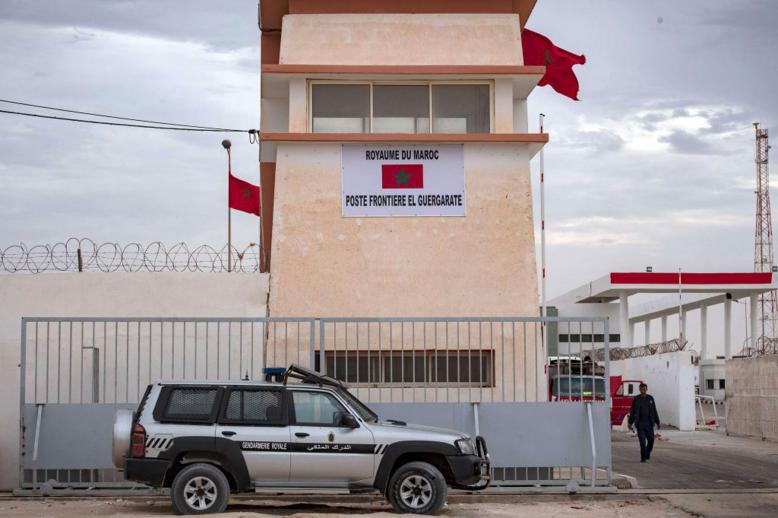
RABAT/OSLO/TINDOUF – International efforts to advance a political settlement of the Western Sahara dispute gathered momentum this month after UN envoy Staffan de Mistura concluded a visit to the Tindouf camps and held high-level consultations with US President Donald Trump's adviser for African and Arab affairs, Massad Boulos.
The diplomatic activity comes ahead of a crucial period for the UN-led process, with the Security Council due to revisit the file in October when the mandate of the UN Mission for the Referendum in Western Sahara (MINURSO) expires.
De Mistura's visit to the Tindouf camps on June 7-8 included meetings with Polisario leader Brahim Ghali and senior movement officials, including Mohamed Yeslem Beissat. The talks formed part of a wider regional tour expected to include Rabat and Algiers as the UN seeks to maintain momentum towards a political solution.
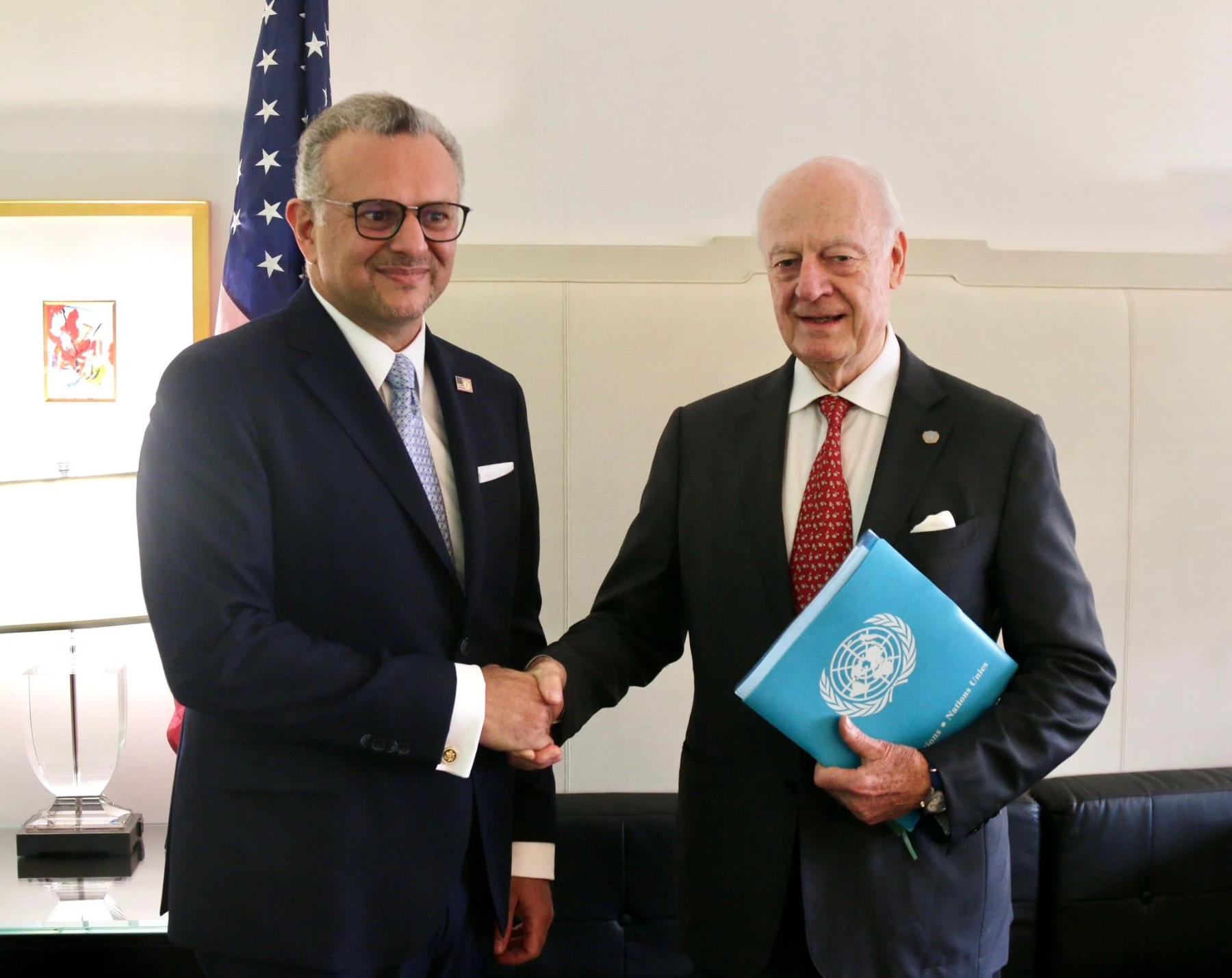
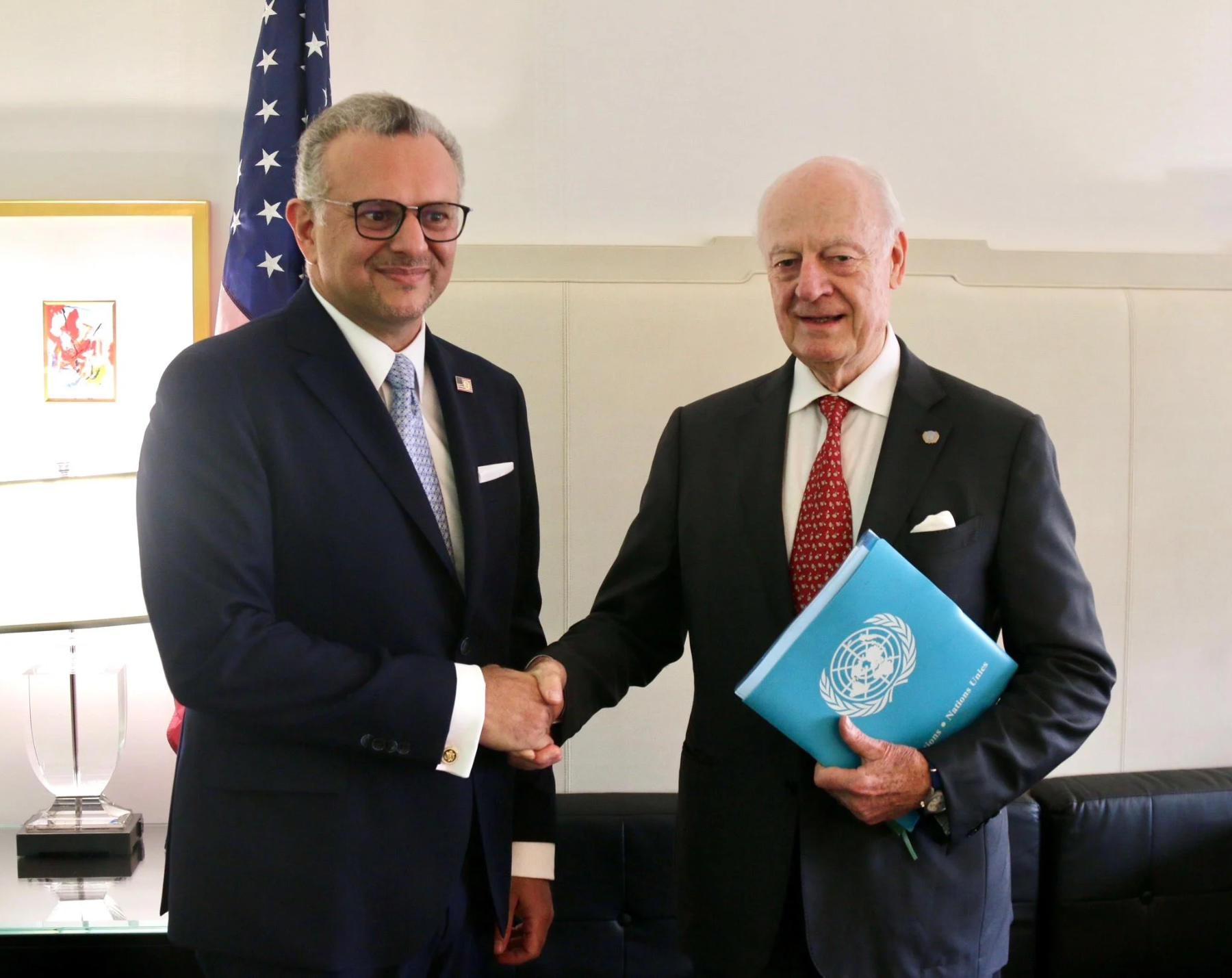
Days later, De Mistura met Boulos on the sidelines of the Oslo Forum in Norway.
"We discussed strategies to further the implementation of UNSCR 2797, specifically ways to assist the parties in achieving a just, lasting, and mutually acceptable political solution," Boulos said in a post on X.
"The Western Sahara dispute has dragged on for more than 50 years, and as UNSCR 2797 underscored, the parties should urgently realise a resolution," he added.
Resolution 2797, adopted by the Security Council last October, remains the central international reference point guiding efforts to reach a negotiated settlement and calls on the parties to intensify engagement in the political process.
According to diplomatic sources, De Mistura is working to reconvene the parties before October in an effort to secure progress towards an agreement, establish a mechanism for endorsement and prepare for possible implementation arrangements.
The latest round of consultations comes amid growing international backing for Morocco's autonomy initiative, presented in 2007 as a framework for resolving the dispute. Rabat argues that the proposal offers a realistic and credible basis for a political settlement, a position that has gained increasing support from a number of international partners.
Statements emerging from Tindouf suggested little change in Polisario's position, with officials reiterating demands centred on self-determination. Mohamed Yeslem Beissat told Algerian state radio that Polisario remained ready to cooperate with UN efforts aimed at achieving a negotiated solution.
Analysts say the growing coordination between Washington and the United Nations reflects a renewed determination to push the process forward after decades of deadlock.
Hicham Moatadid, a specialist in strategic affairs, said US engagement signals a pragmatic approach focused on advancing a political outcome rather than preserving the status quo.
He argued that recent security developments and continued tensions in the region have increased pressure for progress, while international actors appear increasingly focused on achieving a realistic and sustainable settlement.
Algeria remains an influential stakeholder through its longstanding support for Polisario and its hosting of the Tindouf camps, although it continues to insist that it is not a direct party to the dispute.
The coming months are expected to be decisive as De Mistura intensifies consultations with all sides before reporting back to the Security Council in October, when the future direction of the UN process will come under renewed scrutiny.