


A bid to reshape the narrative
Polisario adopts Spanish right’s narrative to counter Morocco’s momentum
Analysts see Ghali’s intervention as part of a broader effort by Polisario to cultivate support within Spanish political circles.
Wednesday 17/06/2026
A bid to reshape the narrative
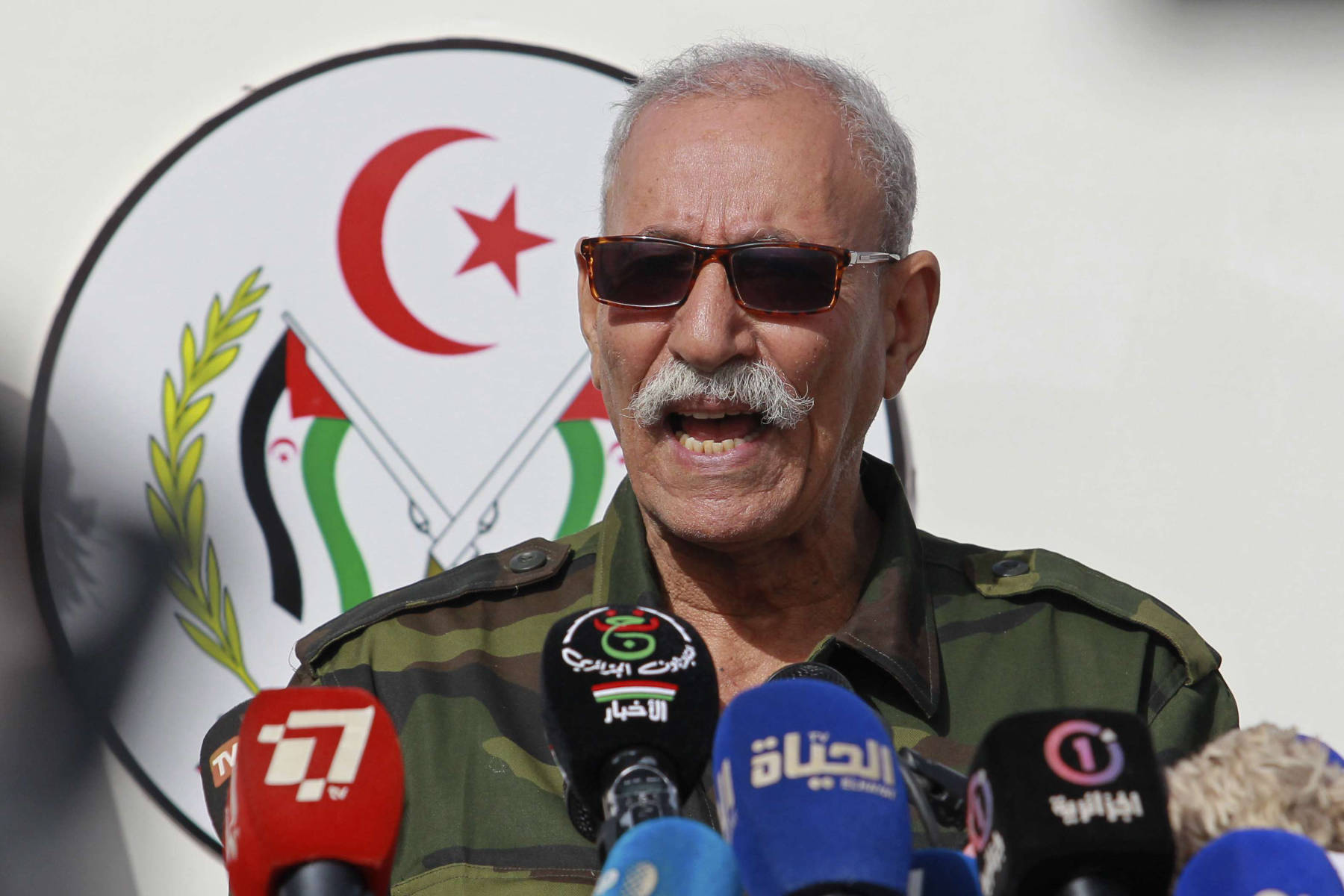
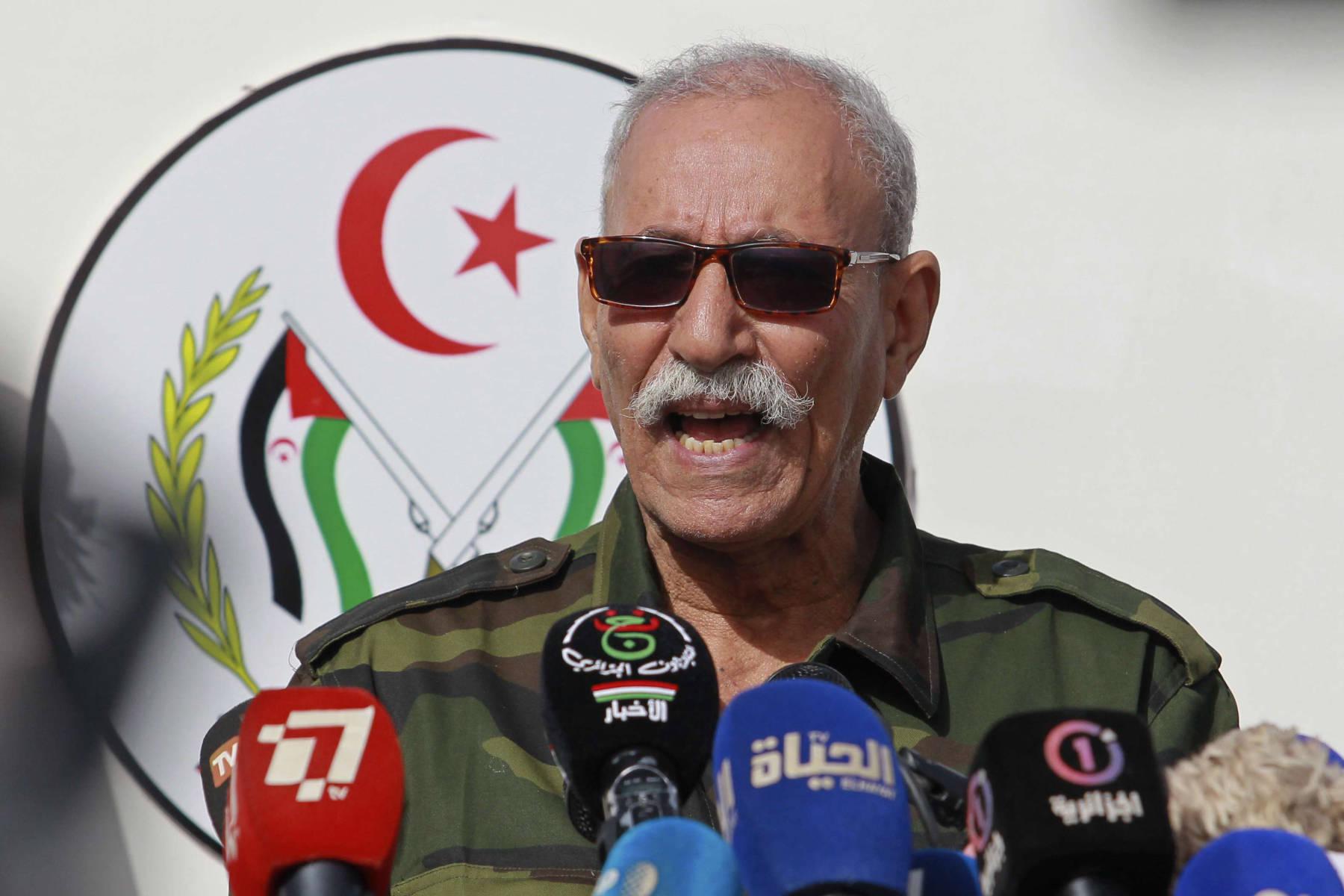
RABAT – Polisario Front leader Brahim Ghali has launched a fresh political and media offensive aimed at Spain’s conservative camp, as the United Nations intensifies efforts to revive negotiations over the Sahara dispute and Morocco continues to consolidate international support for its autonomy proposal.
The move coincides with a visit by UN Secretary-General envoy Staffan de Mistura to Algeria, where he met Foreign Minister Ahmed Attaf to discuss ways of advancing the stalled political process and exploring prospects for a negotiated settlement.
Against that backdrop, Ghali chose Spain’s conservative newspaper ABC to issue a warning about what he described as “Moroccan expansionism”, arguing that Spain’s sovereignty over Ceuta and Melilla could eventually come under pressure if the Sahara issue is resolved in Rabat’s favour.
“Moroccan expansionist ambitions appear to know no limits. Morocco’s neighbours have been victims of this policy. Mauritania, Algeria, Western Sahara and Spain are all testing grounds for Moroccan expansionism,” Ghali said.
His remarks closely mirrored arguments frequently advanced by Spain’s far-right Vox party and sections of the conservative political spectrum that view Morocco’s growing regional influence with suspicion.
The timing of the interview has drawn attention among observers, particularly as Spain’s political landscape appears increasingly favourable to a broader right-wing bloc. Vox already governs in coalition with the Popular Party in several Spanish regions, while Prime Minister Pedro Sanchez’s Socialist government continues to face political pressure from a series of scandals and declining public support.
Analysts see Ghali’s intervention as part of a broader effort by Polisario to cultivate support within Spanish political circles at a time when the movement faces mounting diplomatic challenges.
The strategy is not new. Ghali adopted a similar approach during an interview with Spanish broadcaster Telecinco in 2022, while Polisario has repeatedly highlighted the issue of Ceuta and Melilla in communications aimed at Spanish audiences.
The latest outreach comes as Polisario simultaneously seeks to internationalise its complaints through the United Nations.
The movement recently sent a letter to the president of the UN Security Council accusing Morocco of targeting civilians in buffer zones east of the Moroccan defence wall, allegations Rabat has consistently rejected.
However, the dual messaging directed at both the UN and Spanish right-wing parties exposes contradictions in Polisario’s position since it declared the collapse of the 1991 ceasefire in late 2020 and announced a return to armed confrontation.
The movement cannot simultaneously advocate military escalation and then attempt to separate itself from the humanitarian consequences arising from that strategy, according to observers.
The developments unfold as de Mistura continues consultations aimed at reviving a political process that has remained largely frozen for years.
During talks in Algiers, Algerian officials reiterated support for efforts to reach a political solution consistent with UN resolutions and the organisation’s charter.
Yet diplomatic momentum has increasingly shifted in Morocco’s favour. In recent years a growing number of countries have backed Rabat’s autonomy initiative as the most realistic basis for resolving the conflict.
Analysts say this changing international environment helps explain Polisario’s renewed efforts to influence opinion in Spain, a country that remains historically and politically connected to the issue.