

Eying a bigger defence role
France, Morocco step up defence ties amid strategic arms projects
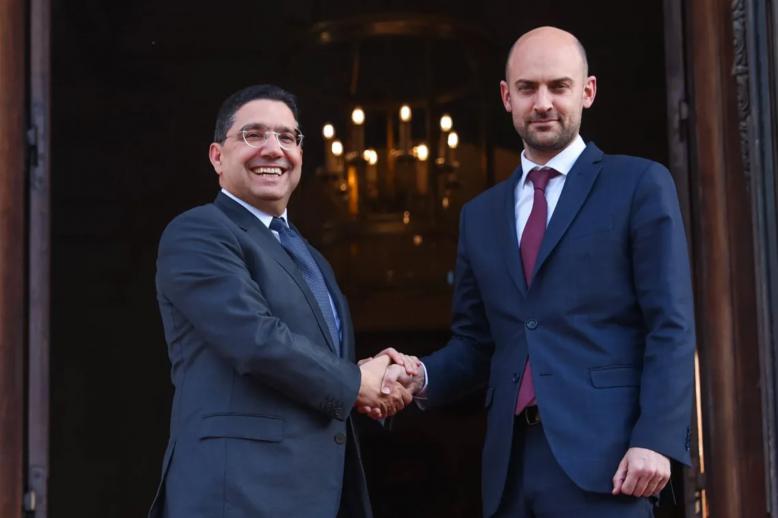
A meeting scheduled to take place in Rabat next month is expected to assess progress in joint defence projects and explore new avenues for cooperation.
Friday 19/06/2026
Eying a bigger defence role
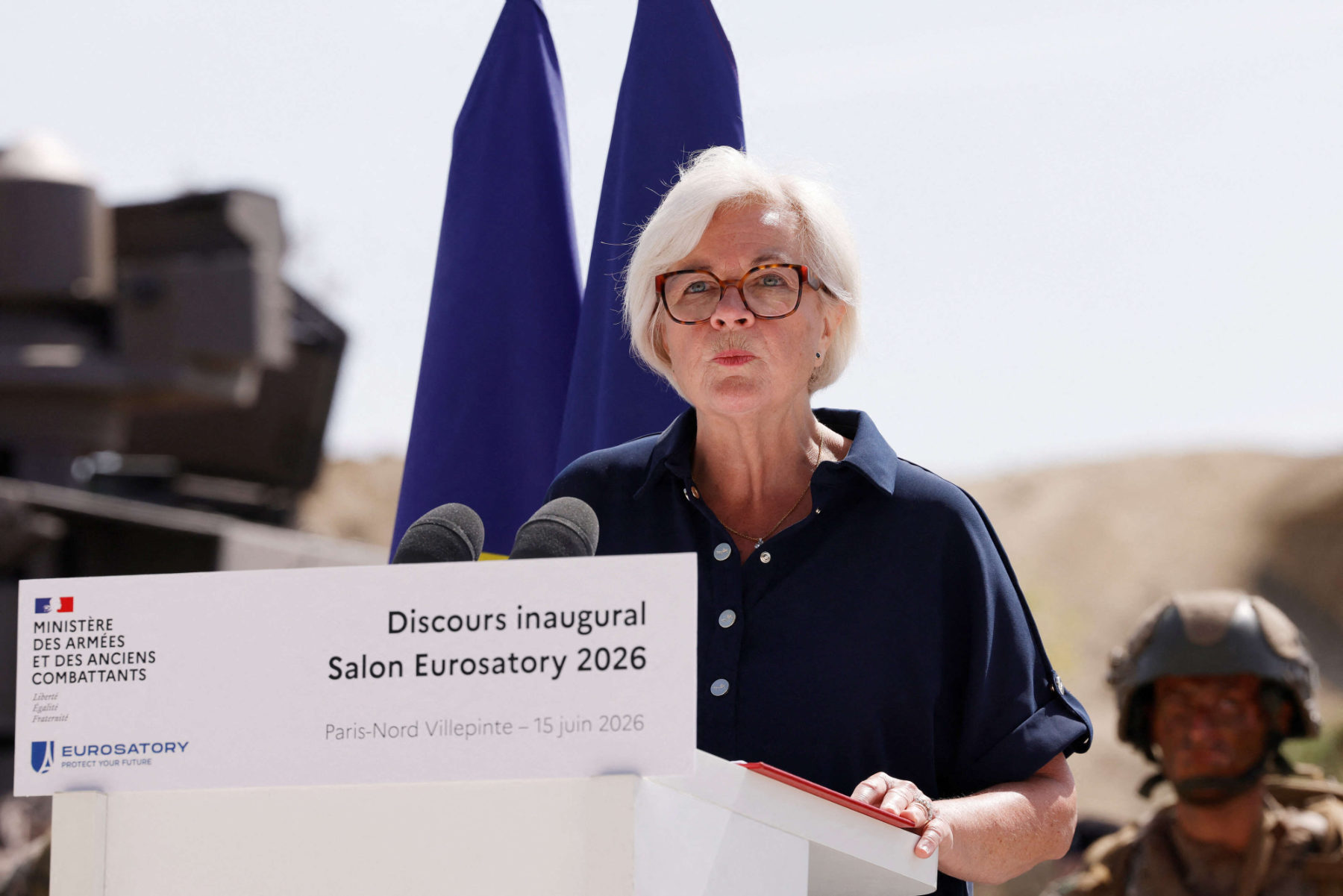
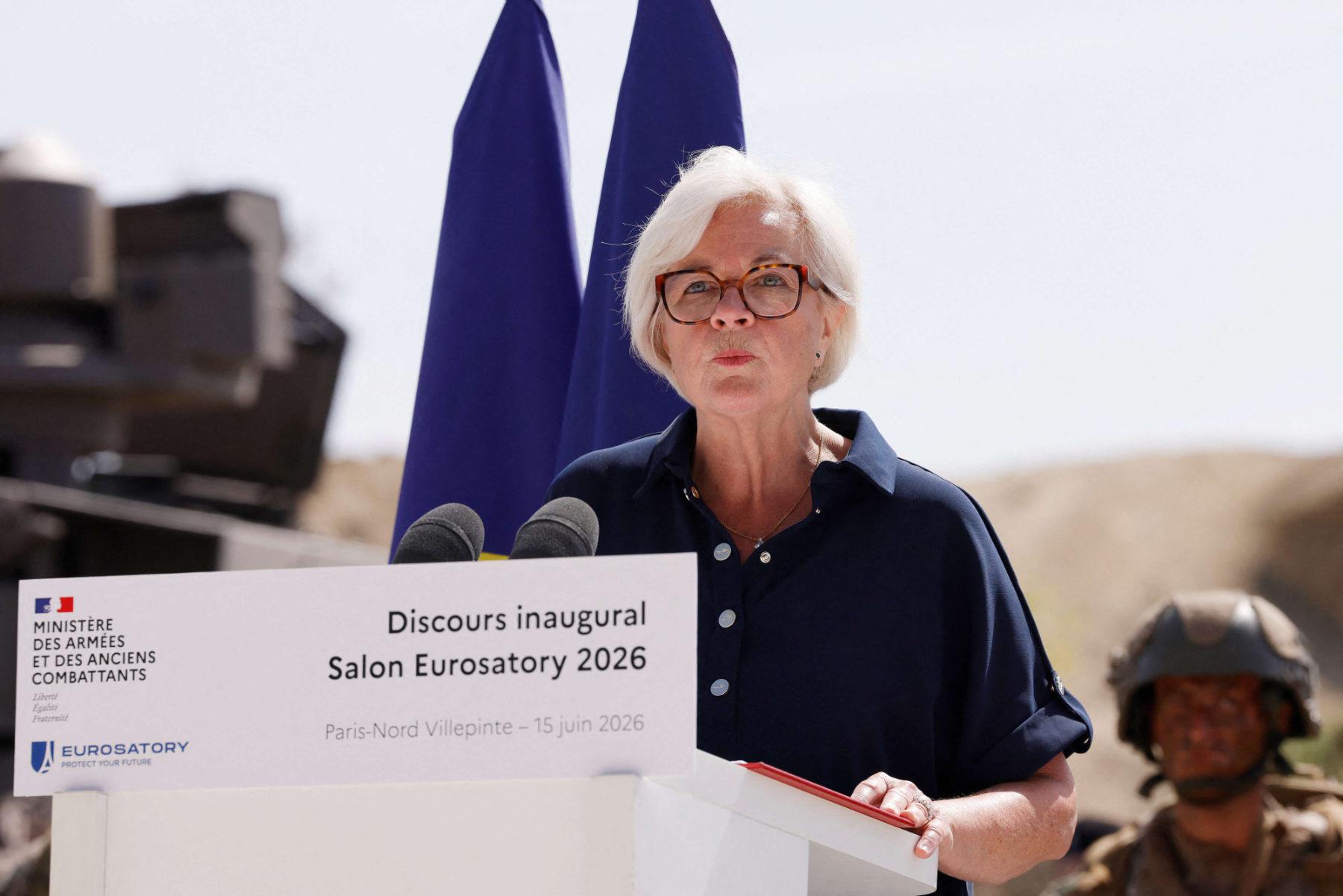
PARIS – France is seeking to give fresh momentum to its defence relationship with Morocco, a goal underscored by French Minister for the Armed Forces and Veterans Catherine Vautrin following talks with Morocco’s Minister Delegate in charge of the National Defence Administration, Abdellatif Loudiyi, on the sidelines of the Eurosatory 2026 defence exhibition in Paris.
Vautrin said the discussions reaffirmed the strength of the Franco-Moroccan defence partnership and highlighted a shared determination to deepen bilateral cooperation in both defence capabilities and military industry.
“Our discussions reaffirmed the strength of the Franco-Moroccan defence partnership and our shared ambition to deepen our capability and industrial cooperation, to the benefit of both our countries,” Vautrin said after the meeting.
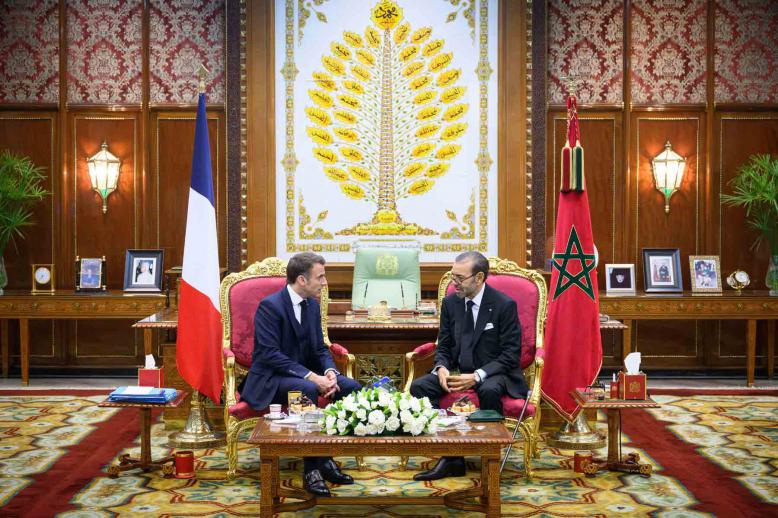
The talks come as Paris and Rabat work on a new bilateral treaty aimed at strengthening the framework for strategic cooperation between the two countries. A high-level meeting scheduled to take place in Rabat next month is expected to assess progress in joint defence projects and explore new avenues for cooperation.
The diplomatic and military contacts reflect France’s broader effort to reinforce its position in Morocco’s rapidly expanding defence market, as the kingdom accelerates military modernisation while simultaneously developing its domestic defence industry.
During a working visit to France carried out under instructions from King Mohammed VI, Inspector General of the Royal Armed Forces and Commander of the Southern Zone, Lieutenant General Mohammed Berrid, also met French Armed Forces Chief of Staff General Fabien Mandon.
Mandon described relations between the Moroccan and French armed forces as a longstanding partnership built on trust and long-term cooperation.
“Our armed forces maintain a strong bilateral relationship, built over the long term and firmly focused on the future,” he said.
The meetings come amid growing defence-industrial cooperation between the two countries. One of the most significant recent developments was the announcement by French defence technology company Old HERMATAN that it had signed a strategic agreement with Morocco’s Royal Armed Forces aimed at strengthening the kingdom’s defence capabilities.
According to the company, which specialises in advanced defence technologies including autonomous combat systems and military drones, the agreement includes plans to establish production facilities in Morocco for autonomous defence systems, create an advanced research and development centre focused on artificial intelligence applications in defence, and expand cooperation with Moroccan universities and research institutions.
Muad M’Ghari, the French-Moroccan co-founder and chief executive of the company, said the agreement reflected Morocco’s ambition to build a more independent defence sector.
“The agreement reflects our ability to work with countries in developing their national defence industries. Morocco has chosen to move forward towards strategic autonomy and technological sovereignty, and we are proud to support this ambition. This cooperation represents the cornerstone of a sustainable partnership with Morocco,” he said.
Another key issue on the defence agenda is Morocco’s planned acquisition of its first submarine.
France is actively promoting the Scorpene submarine, known for its advanced stealth and operational capabilities, and hopes to leverage its longstanding strategic relationship with Rabat to secure the contract. However, French manufacturers face strong competition from Spanish and South Korean rivals seeking to win the project.
Morocco’s interest in expanding its naval capabilities forms part of a broader strategy aimed at reinforcing its role as a key security actor in the western Mediterranean and the Strait of Gibraltar, a region of major strategic importance for international trade and regional stability.
At the same time, French aerospace group Dassault Aviation is seeking to regain ground in Morocco by promoting its Rafale fighter aircraft as an option for the Royal Moroccan Air Force as the kingdom considers future fleet modernisation. Morocco’s air force currently relies heavily on American-made aircraft, making the market highly competitive.
The growing military relationship also reflects wider efforts by France to strengthen industrial cooperation with Morocco. In July 2025, France’s Directorate General of Armaments launched a joint armaments committee designed to deepen defence-industrial collaboration and support the development of Morocco’s Defence Industrial and Technological Base.
The renewed French push comes at a time when Morocco enjoys greater room for manoeuvre thanks to its diversified procurement strategy. Alongside France, the kingdom has developed defence partnerships with the United States, Turkey and China, allowing Rabat to strengthen its negotiating position and reduce dependence on any single supplier.
This diversification has enhanced Morocco’s strategic flexibility but also requires careful management of geopolitical balances and competing interests.
Morocco’s approach has increasingly been characterised by pragmatism, combining openness to multiple partners with a focus on securing tangible industrial, technological and economic benefits from defence cooperation rather than relying solely on political considerations.
As regional security challenges evolve and military technology becomes increasingly central to strategic competition, both Paris and Rabat appear keen to transform their traditional defence relationship into a broader partnership encompassing industrial production, technological innovation and long-term strategic coordination.