



From Oscar nominations to jury duty
Venice honours Tunisian filmmaker Kaouther Ben Hania with jury role
Ben Hania, whose films have repeatedly captivated audiences and critics from Cannes to Hollywood, will help decide the winners of this year’s top prizes.
Tuesday 23/06/2026
From Oscar nominations to jury duty
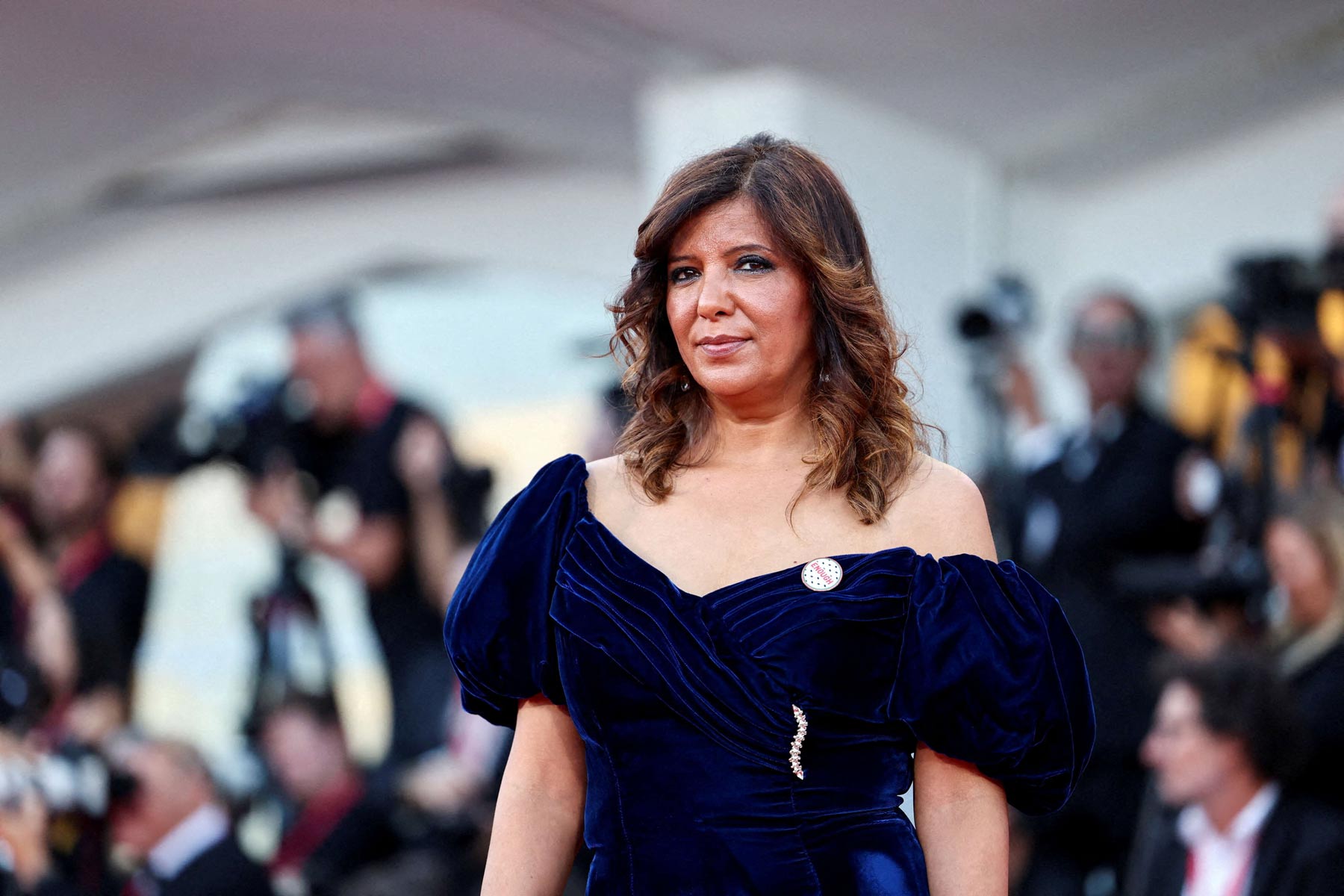
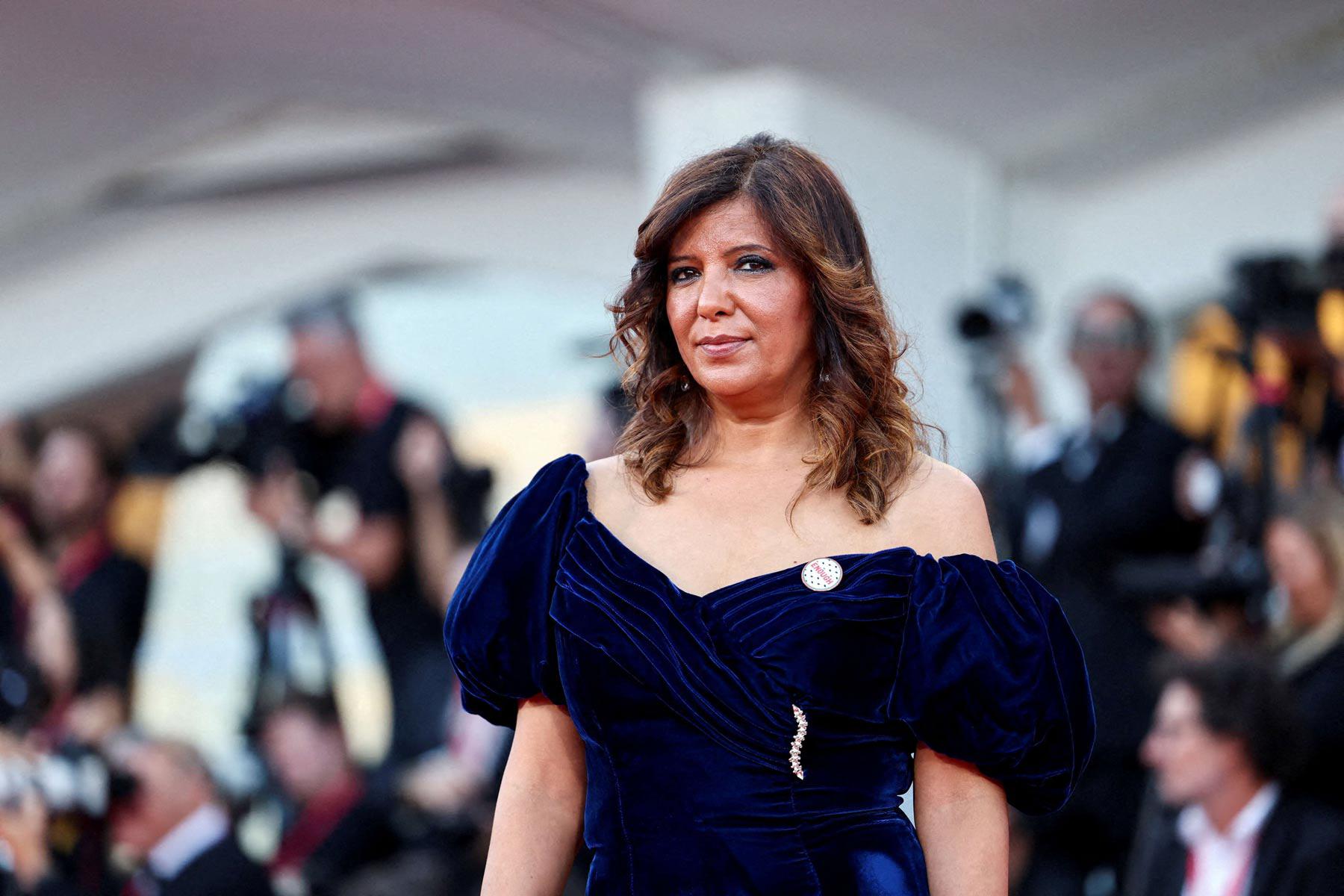
TUNIS – Tunisian filmmaker Kaouther Ben Hania has been invited into one of world cinema’s most exclusive circles after being selected to serve on the international competition jury at the 83rd Venice International Film Festival, a recognition of her growing influence on the global film scene.
The director, whose films have repeatedly captivated audiences and critics from Cannes to Hollywood, will help decide the winners of this year’s top prizes, including the coveted Golden Lion for Best Film, at the festival on Venice’s Lido from September 2 to 12.
Ben Hania joins a jury headed by American actress, writer and director Maggie Gyllenhaal and featuring a diverse group of leading figures from cinema, music and academia, including Hong Kong filmmaker Johnnie To, French director Xavier Giannoli, Afghan filmmaker Shahrbanoo Sadat, British composer Daniel Blumberg and Italian media scholar Francesco Casetti.
The appointment marks another milestone in a career that has transformed Ben Hania into one of the most internationally recognised filmmakers to emerge from the Arab world.
Her selection comes after a series of acclaimed works that have blurred the boundaries between documentary and fiction while exploring themes of identity, justice, memory and political conflict.
Most recently, Ben Hania drew international attention with “The Voice of Hind Rajab,” a film that tells the story of a five-year-old Palestinian girl killed in Gaza in 2024 after spending hours pleading for help while trapped inside a vehicle.
The film won the Silver Lion Grand Jury Prize at last year’s Venice Film Festival before going on to secure an Academy Award nomination for Best International Feature Film, cementing Ben Hania’s reputation as a filmmaker capable of combining emotional storytelling with urgent contemporary issues.
The success followed another breakthrough achievement with “Four Daughters,” her innovative 2023 documentary exploring family, trauma and radicalisation in Tunisia. The film won Cannes’ prestigious L’Oeil d’Or prize for best documentary and later received an Oscar nomination, earning widespread praise for its inventive blend of documentary filmmaking and dramatic reconstruction.
Ben Hania had already secured a place in international cinema history with “The Man Who Sold His Skin,” a provocative drama examining migration, borders and the commodification of human identity. The film became one of the few Arab productions ever nominated for the Academy Award for Best International Feature Film.
Her body of work has made her a prominent voice in contemporary cinema, admired for tackling complex social and political themes while maintaining a distinctive artistic style.
The Venice appointment also reflects the growing presence of Arab filmmakers on the international festival circuit, where directors from the region are increasingly gaining recognition not only as competitors but as influential figures helping shape global cinema.
For Tunisia, Ben Hania’s rise represents one of the country’s most significant cultural success stories in recent years, highlighting the strength of a filmmaking tradition that has long punched above its weight on the international stage.
As a juror, she will now move from competing for awards to helping decide them, joining discussions that will determine the recipients of Venice’s most prestigious honours, including the Golden Lion, the Silver Lion Grand Jury Prize, Best Director, Best Screenplay and the festival’s acting awards.
The appointment places Ben Hania alongside some of the most respected figures in international cinema and confirms her status as one of the Arab world's leading cultural ambassadors, a filmmaker whose stories have travelled from Tunisian streets to the heart of the global film industry.