


From regime cleric to criminal defendant
Former Assad-era mufti faces war crimes, incitement charges
Prosecutors alleged that Hassoun made public statements that incited violence against civilians in opposition-held areas and refugees who fled government attacks.
Friday 26/06/2026
From regime cleric to criminal defendant
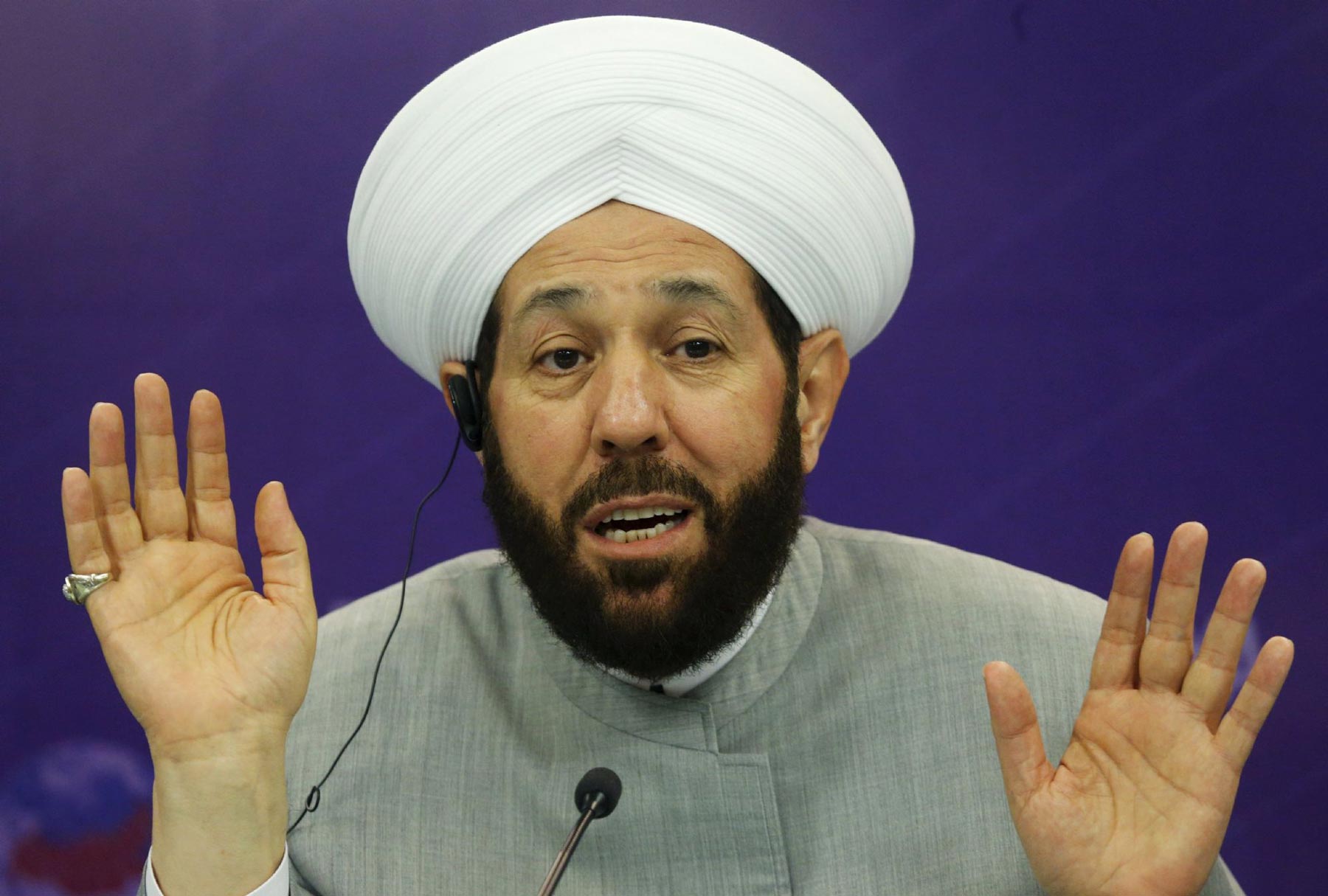
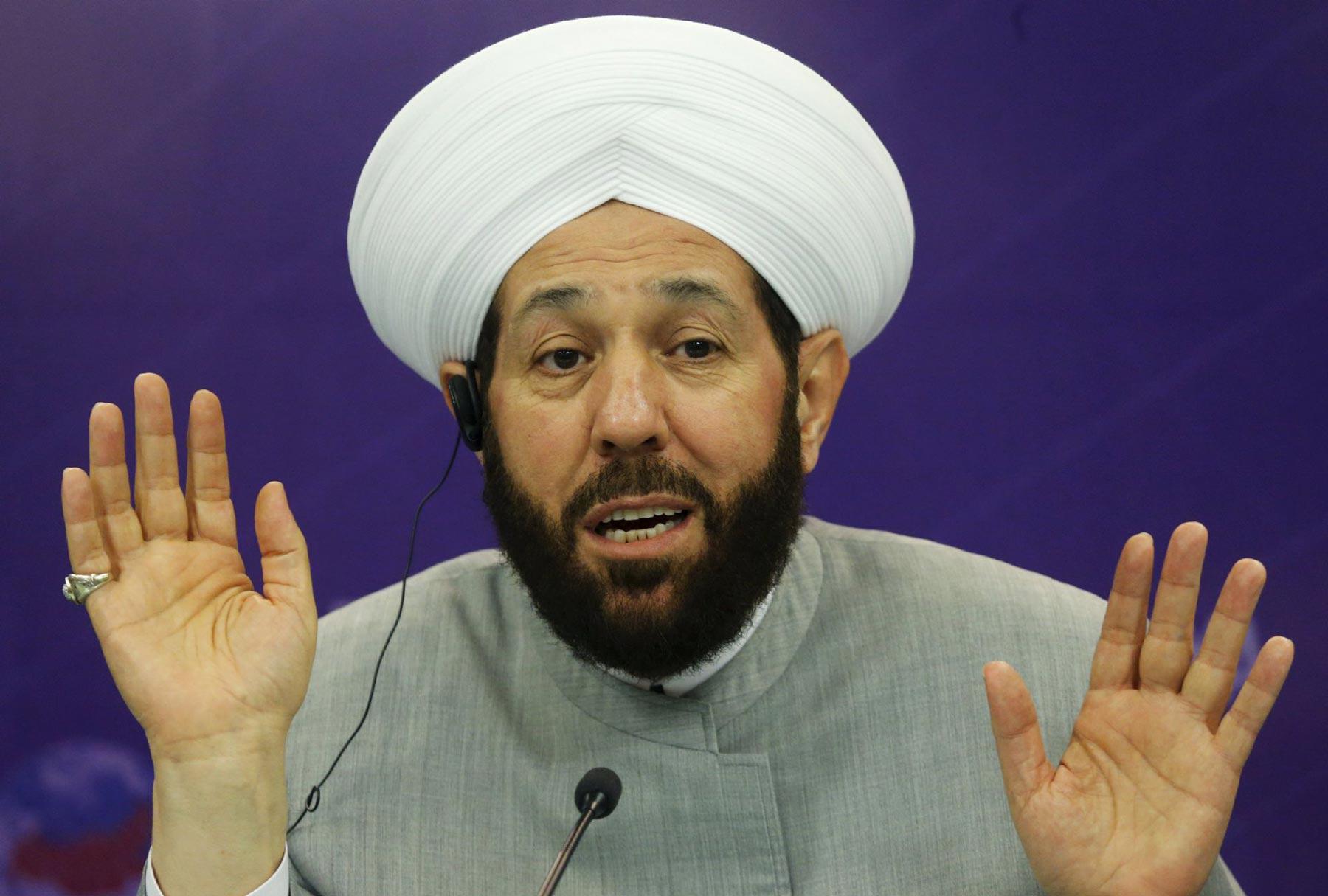
DAMASCUS – A Syrian court on Thursday postponed the trial of former Grand Mufti Ahmad Hassoun until July 16 after opening proceedings in a landmark case that accuses the once-powerful religious figure of helping provide political and religious legitimacy for crimes committed during the rule of former president Bashar al-Assad.
The Fourth Criminal Court in Damascus held the first session of Hassoun’s trial in the presence of Attorney General Hassan al-Turba and representatives of local and international human rights organisations, before ordering an adjournment to continue hearing prosecution witnesses.
Hassoun, who served for years as Syria’s highest religious authority and was one of Assad’s most vocal defenders, was arrested in March 2025 while attempting to leave the country under an existing arrest warrant.
During the hearing, presiding judge Fakhr al-Din Mustafa al-Aryan read out a lengthy indictment accusing Hassoun of exploiting his position for personal interests and maintaining extensive relationships beyond official channels with Assad, former intelligence chief Ali Mamlouk, senior military officers and leaders of sectarian militias that fought alongside government forces during the civil war.
Prosecutors alleged that Hassoun delivered lectures to army officers and soldiers encouraging them to support the former regime against its opponents and made public statements that incited violence against civilians in opposition-held areas and refugees who fled government attacks.
According to the indictment, Hassoun publicly endorsed military commanders and figures accused of war crimes, including former Syrian general Issam Zahreddine and Iranian commander Qassem Soleimani, while supporting Russian and Iranian military intervention in Syria despite widespread allegations of atrocities committed by forces allied with Damascus.
The court said the charges suggest Hassoun played a central role in incitement, encouragement and moral support for crimes committed by the Assad regime and its allies, while providing what prosecutors described as religious and political cover for actions that amounted to war crimes and crimes against humanity.
Judge Aryan stressed that such crimes are not subject to statutes of limitation or amnesties under international humanitarian law, the Geneva Conventions, the Rome Statute and Syria’s constitutional declaration issued in March 2025.
The indictment also includes allegations of incitement to intentional killing, participation in acts aimed at fuelling sectarian conflict, stirring religious and ethnic tensions, and using influence for material gain.
Prosecutor Omar Mahmoud al-Radi told the court that the case concerned “not an ordinary individual, but a man who occupied one of the highest religious positions in the country and who was expected to be a symbol of reconciliation and the preservation of life”.
Instead, he argued, Hassoun used his authority to justify violence and legitimise killing.
The prosecutor cited television and radio appearances in which Hassoun allegedly encouraged action against opponents of the government and referred to controversial remarks he made during the conflict that critics said amounted to threats against European countries.
The case forms part of a broader transitional justice process launched by Syria’s post-Assad authorities to investigate wartime abuses, establish accountability and provide redress for victims of the conflict.
The proceedings follow the opening of trials against other former regime figures, including Wassim al-Assad, a relative of the former president, and former security official Atef Najib, as Damascus seeks to prosecute individuals accused of war crimes and crimes against humanity committed during the years of conflict.