

Another offensive looming?
Report: Israel planning renewed Gaza offensive in March
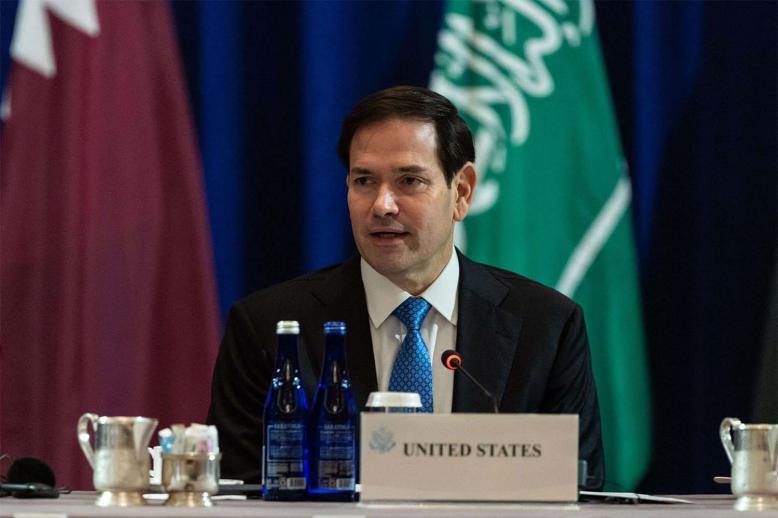
An Israeli official and an Arab diplomat told The Times of Israel that the offensive would not proceed without explicit approval and support from the Trump administration.
Monday 12/01/2026
Another offensive looming?
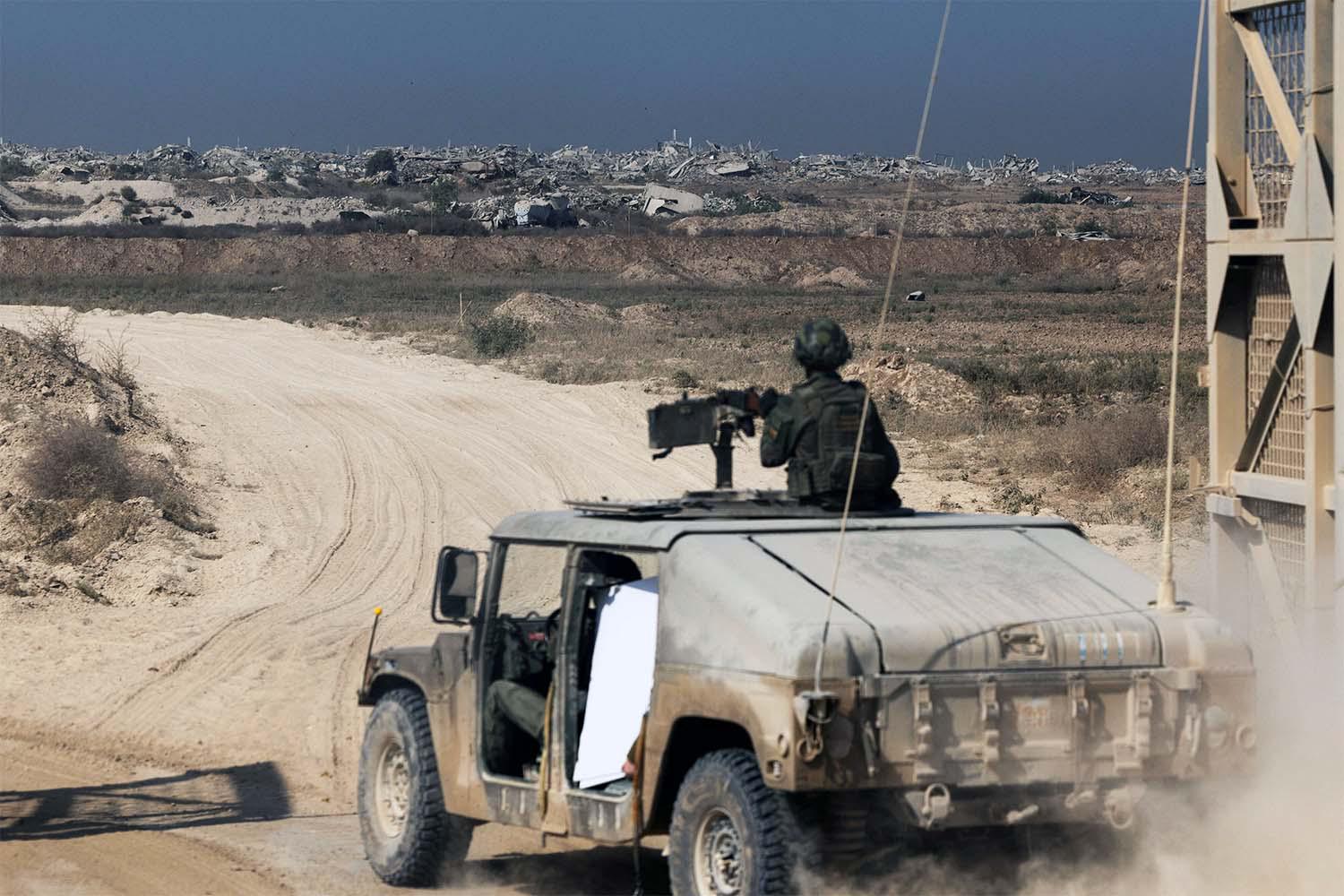
GAZA – Israeli military officials have reportedly drawn up detailed contingency plans for a renewed large-scale offensive in the Gaza Strip, potentially launching as early as March 2026.
The operation would focus on Gaza City and aim to expand Israeli-controlled territory by pushing the existing "Yellow Line" ceasefire demarcation further west toward the Mediterranean coast.
According to sources cited by The Times of Israel, the Israel Defense Forces (IDF) preparations stem from Prime Minister Benjamin Netanyahu's skepticism that ongoing US-led diplomatic efforts will succeed in fully disarming Hamas.
While Netanyahu has publicly committed to cooperating with the fragile October 2025 ceasefire — brokered under US President Donald Trump's 20-point plan — he has directed the military to prepare alternatives should the disarmament phase falter.
The yellow line and current territorial control
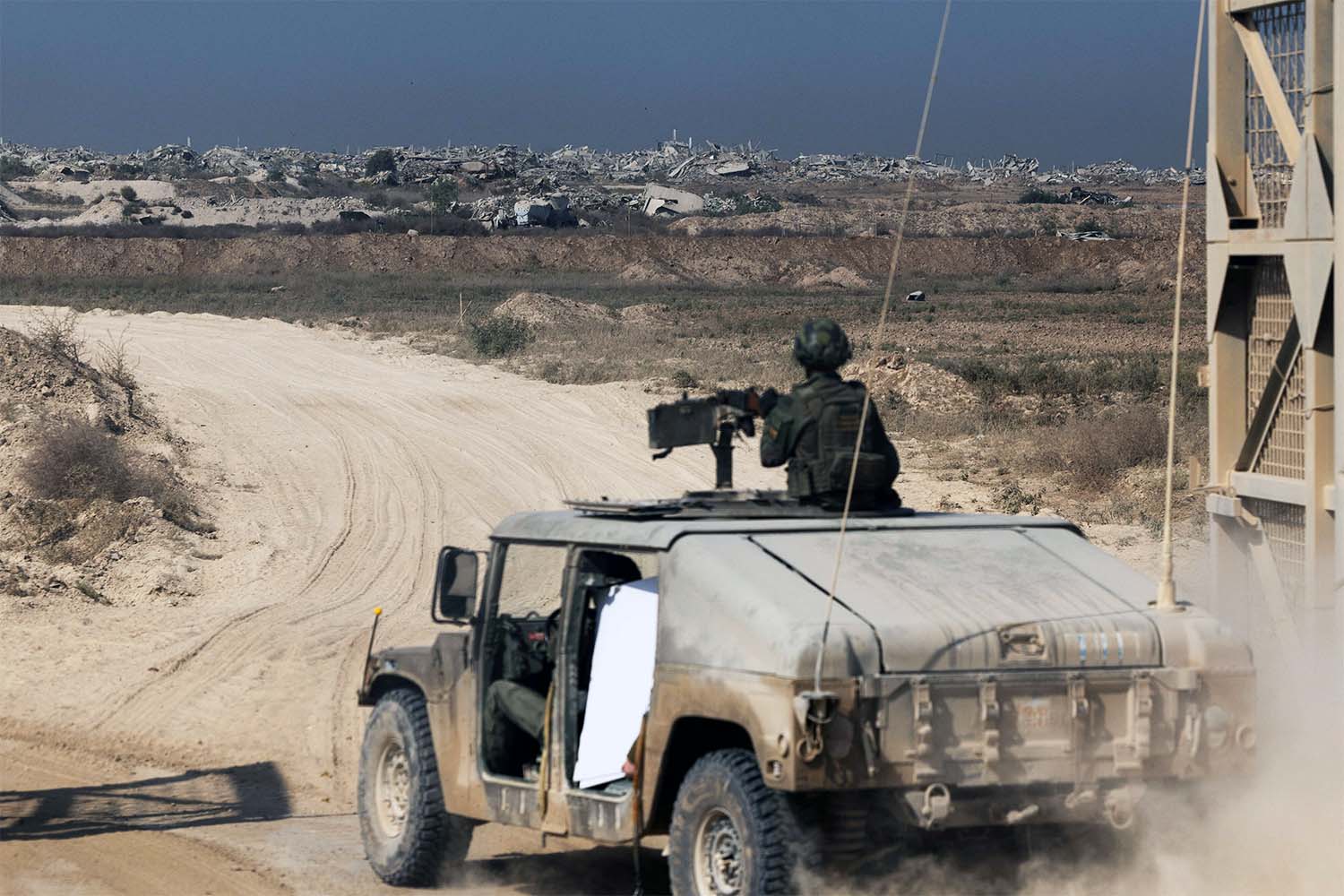
The ceasefire, which took effect on October 10, 2025, required Israeli forces to withdraw to the so-called Yellow Line, a demarcation running from northern Gaza to the outskirts of Rafah in the south. This left Israel in control of approximately 53% of the Gaza Strip, a position that Israeli officials have increasingly described as a de facto "new border."
The proposed March operation would seek to build on this control, targeting Gaza City to seize additional land and further consolidate Israeli positions. An Israeli official and an Arab diplomat, speaking anonymously, told The Times of Israel that the offensive would not proceed without explicit approval and support from the Trump administration.
Diplomatic context and contingency planning
The Trump plan envisions a phased transition: the first phase included hostage releases (with most living hostages and bodies returned) and the initial Israeli pullback. Phase two focuses on Hamas disarmament, demilitarization of Gaza, and the deployment of an international stabilization force, potentially overseen by a US-led "board of peace."
However, progress on disarmament remains stalled. Hamas has reasserted control in areas beyond the Yellow Line, rebuilt some infrastructure, and refused full capitulation. Netanyahu, during a December 2025 meeting with Trump, agreed to advance the truce but expressed private doubts about its success in eliminating Hamas's military capabilities.
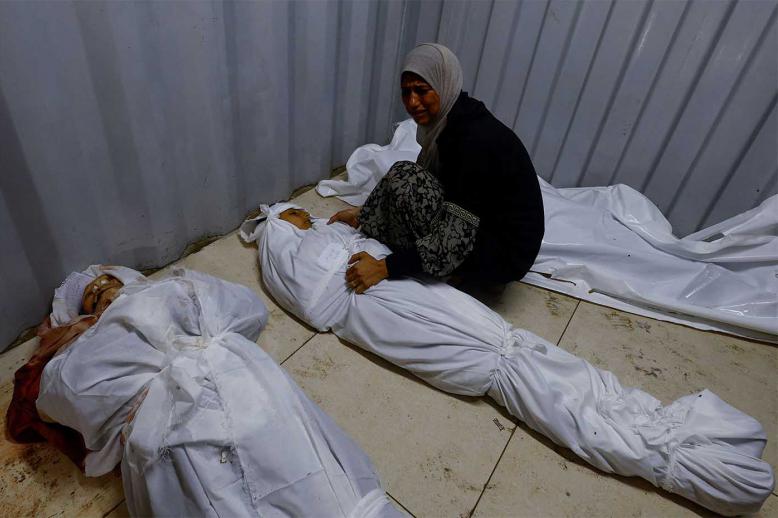
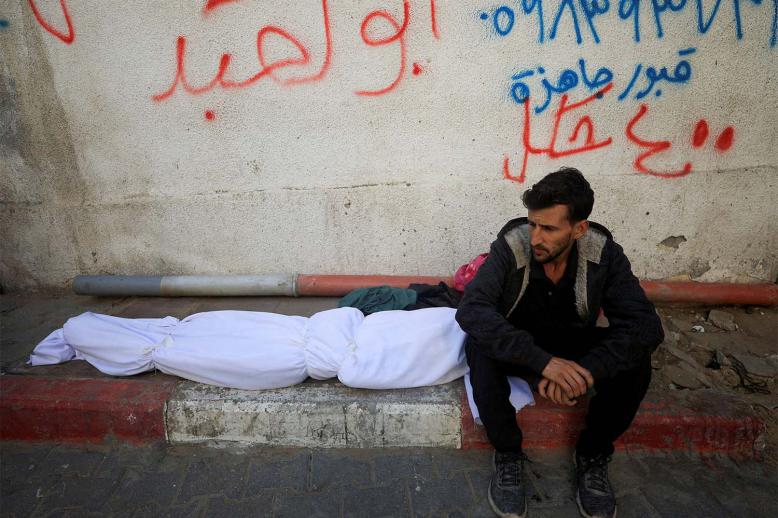
Several media reports echo the Times of Israel account, noting that the planned Gaza City push is framed as a contingency to prevent Hamas from regrouping. Israeli forces have continued near-daily operations along the Yellow Line since the ceasefire, with over 420 Palestinians reported killed in incidents since October 2025, according to Gaza's health ministry (figures do not distinguish between civilians and combatants). Militants have also killed three Israeli soldiers in the same period.
Any renewed intensive operation in Gaza City — one of the enclave's most densely populated areas — would likely trigger massive displacement, exacerbate the already dire humanitarian crisis, and risk further civilian casualties. Much of Gaza remains in ruins, with nearly all of its 2 million residents living in makeshift shelters or damaged structures.