


Ongoing volatility
Sadr movement maintains political distance amid Shia power struggle
Sources close to the movement emphasise that the withdrawal is not synonymous with political absence. Rather, it represents a strategic shift toward grassroots mobilisation.
Monday 12/01/2026
Ongoing volatility
BAGHDAD –
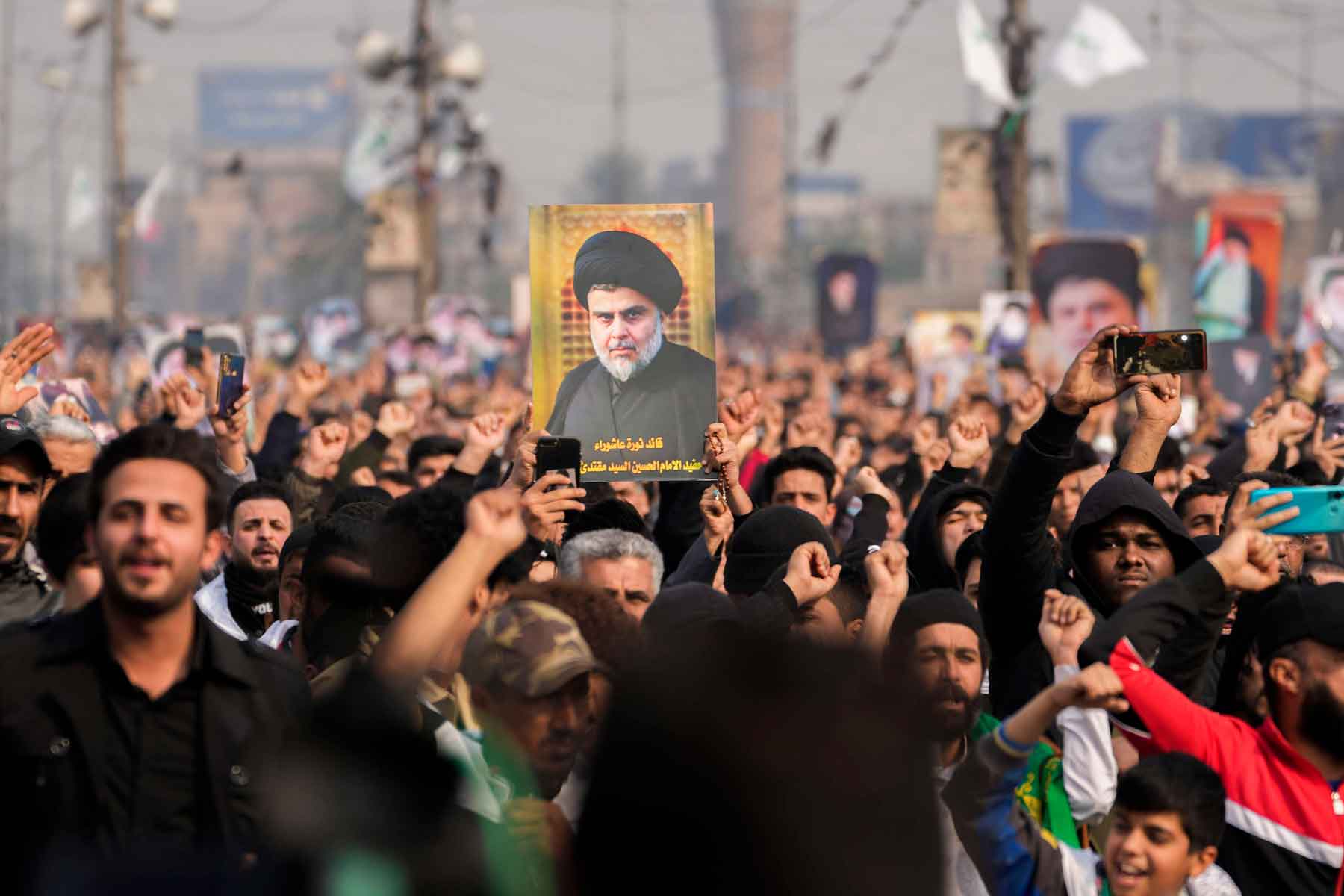
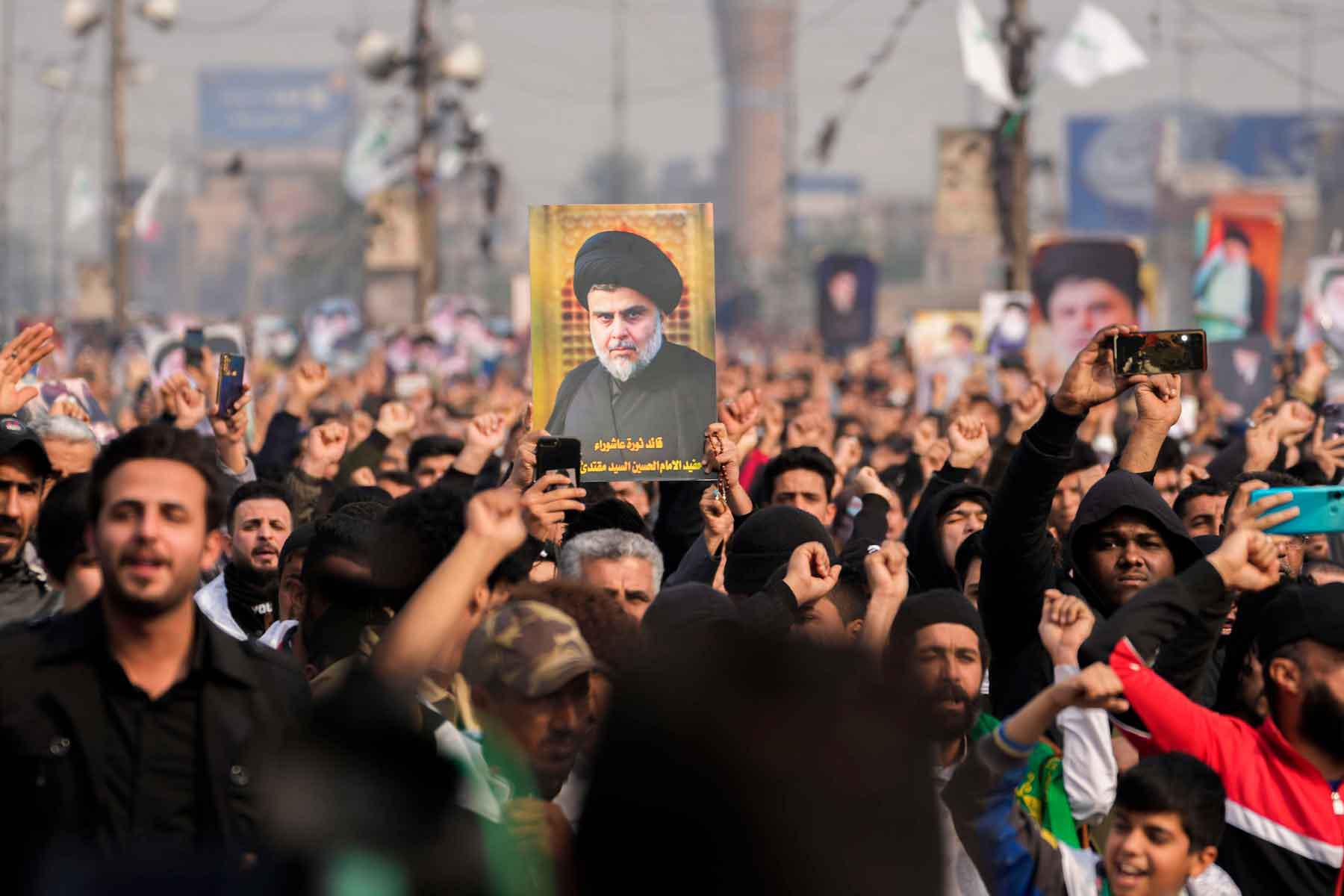
The Sadrist Movement reiterated its firm refusal to participate, directly or indirectly, in discussions surrounding the formation of Iraq’s next government, amid growing uncertainty following the withdrawal of former Prime Minister Mohammed Shiaa al-Sudani from the premiership race.
Speaking to local media, Saleh Mohammed al-Iraqi, a close aide to Sadrist leader Muqtada al-Sadr, warned that powerful political actors are attempting to exploit the movement’s name by promoting former Sadrist affiliates for positions in the prospective cabinet. He described such manoeuvres as “misleading and unacceptable,” cautioning that any attempts to tie the movement to the new government would be rebuffed.
“The Sadrist Movement will not be held accountable for a political process in which it has no part and gives no endorsement,” Iraqi said. He added that attempts to create the impression of Sadrist support for the upcoming government are designed to mislead the public and represent a continuation of Iraq’s entrenched political corruption under a new guise.
The statement underscores a long-standing Sadr policy of political disengagement. Since the summer of 2022, following the resignation of its 73 parliamentary deputies, the movement has refused to participate in the political system it deems “incapable of reform.” Despite external and internal pressures, the Sadr bloc abstained from the most recent legislative elections, maintaining its distance from formal political negotiations.
Sources close to the movement emphasise that the withdrawal is not synonymous with political absence. Rather, it represents a strategic shift toward grassroots mobilisation and public pressure, while rejecting closed-door agreements made in its name. The movement has consistently tied any consideration of re-entry into government to stringent conditions, including the disarmament of all militias, including Sadrist-aligned groups, consolidation of weapons under state control, and the initiation of substantive anti-corruption and political reforms.
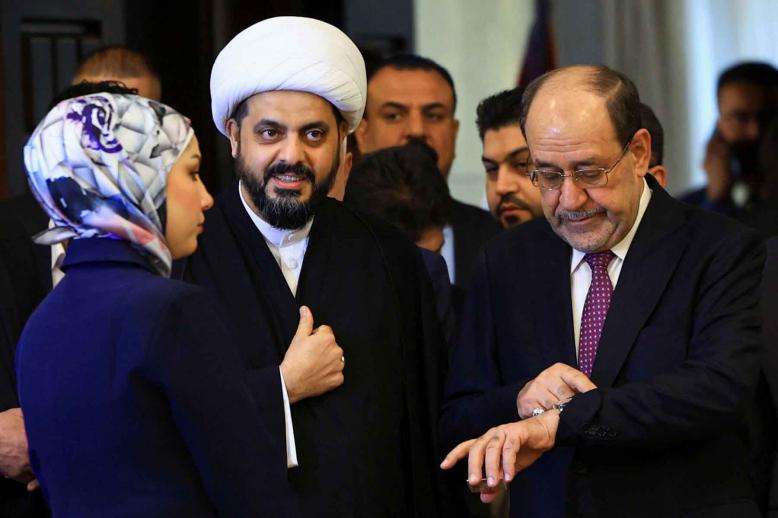
The reaffirmation of Sadr’s position comes at a time of accelerating developments within the Shia political bloc. Sudani’s withdrawal has reopened discussions in the Coordination Framework and revived debate over potentially controversial figures, including former Prime Minister Nouri al-Maliki. Observers warn that this scenario risks deepening intra-Shia divisions and complicating efforts to form a broadly accepted government.
Within this context, the Sadrist Movement appears determined to remain outside the formal government formation process. Any attempts to link the movement to the next administration are likely to provoke a firm response, highlighting the continued fragmentation and volatility within Iraq’s political landscape.
As Iraq grapples with economic pressures, security challenges and societal demands for reform, the Sadr Movement’s stance signals both the enduring influence of grassroots political currents and the difficulties facing Shia parties in balancing power, unity and public expectations.