


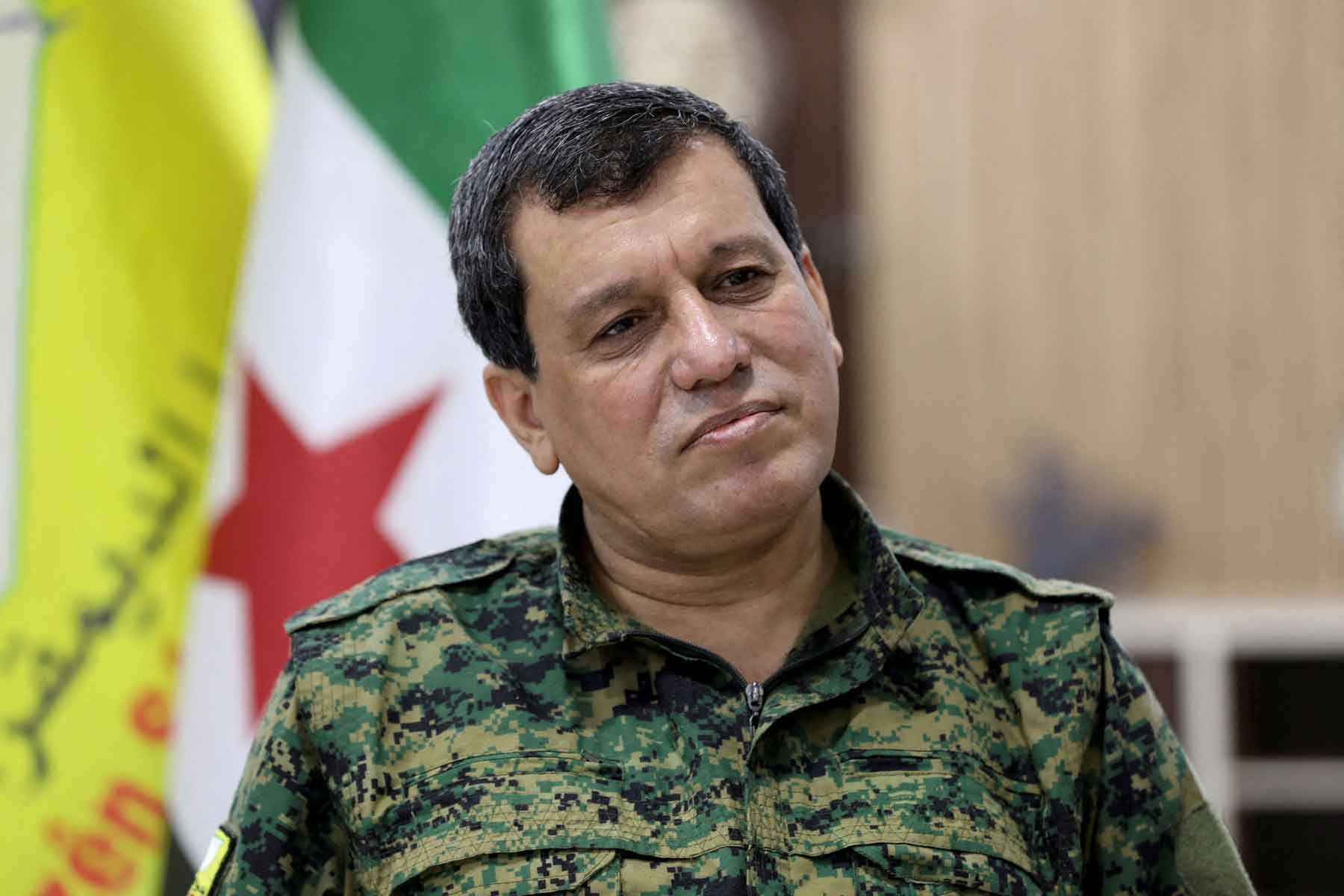
SDF commander Mazloum Abdi attends an interview in al-Shadadi, Syria June 13, 2025.
SDF chief pushes to salvage deal with Syria after Aleppo violence
The talks are being closely watched by neighbouring Turkey, a key ally of Syria’s new leadership.
Friday 26/12/2025
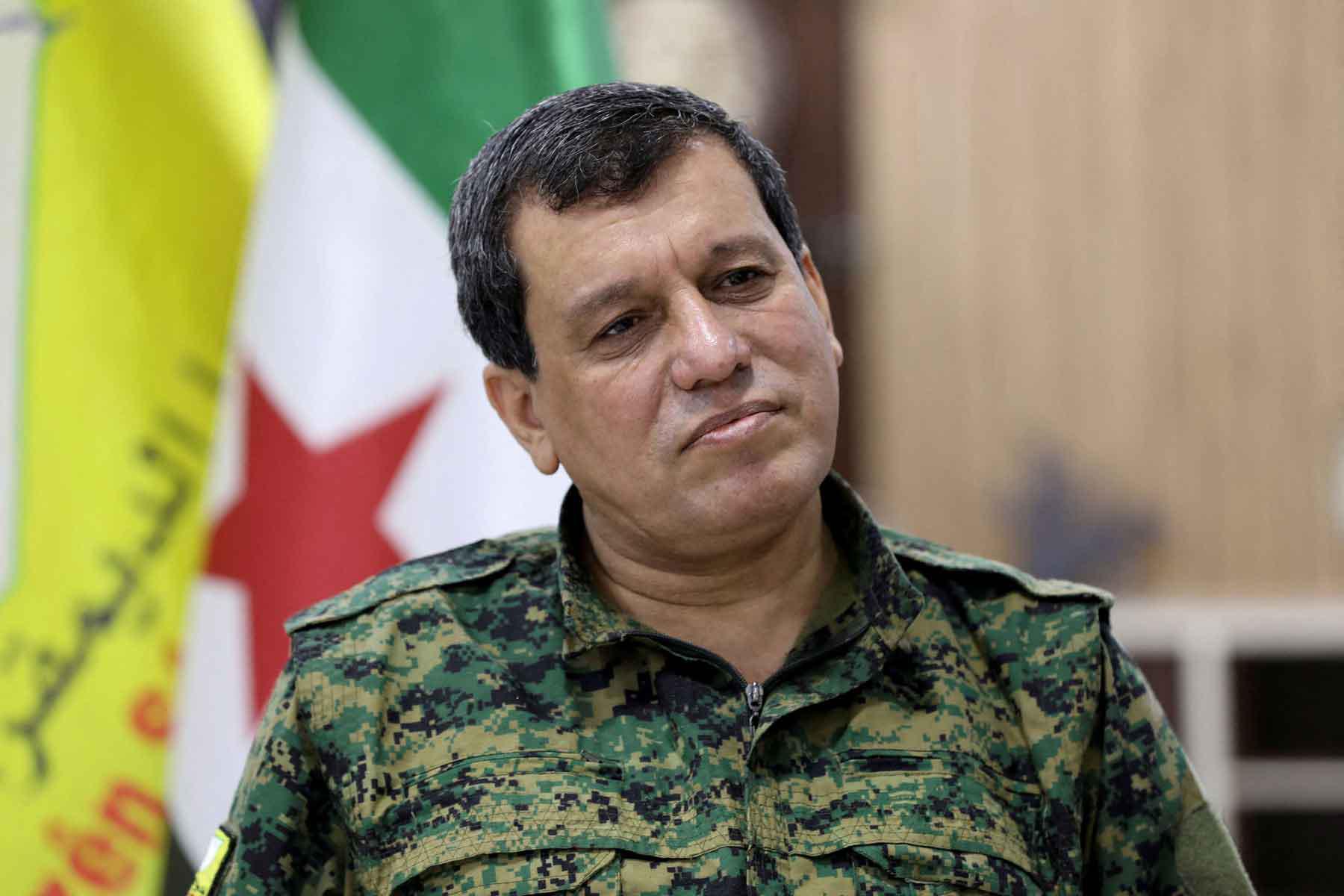
SDF commander Mazloum Abdi attends an interview in al-Shadadi, Syria June 13, 2025.
DAMASCUS –
The head of Syria’s Kurdish-led forces said on Thursday that intensive efforts were under way to keep negotiations with Damascus on track, amid signs of strain following recent violence and delays in implementing a landmark agreement.
Mazloum Abdi, commander of the Syrian Democratic Forces (SDF), said discussions with the central government were continuing despite deadly clashes in Aleppo earlier this week between Kurdish fighters and Syrian army units, which prompted both sides to order a ceasefire.
In March, Abdi signed an accord with Syrian President Ahmed al-Sharaa aimed at folding the Kurds’ semi-autonomous administration and armed forces into the state by the end of the year. However, disagreements over its scope and mechanisms have slowed progress.
In a statement, Abdi said the SDF remained committed to the agreement and was working with Damascus to reach “mutual understanding” on key issues, including military integration and counter-terrorism cooperation. He added that further meetings were planned to move the process forward.
Abdi played down the significance of the year-end target, saying the deal did not impose a strict deadline or provide for a return to military confrontation if talks stalled. “All efforts are being made to prevent the collapse of this process,” he said, expressing confidence that negotiations would ultimately succeed.
The Kurdish leader reiterated his demand for a decentralised system of governance, a position rejected by Syria’s Islamist-led authorities, who took power last year after the overthrow of longtime president Bashar al-Assad.
The talks are being closely watched by neighbouring Turkey, a key ally of Syria’s new leadership, which views Kurdish forces along its southern border as a security threat. Turkish Foreign Minister Hakan Fidan said in Damascus this week that the integration of Kurdish forces was essential, after warning earlier that Ankara’s patience with the SDF was “running out”.
The SDF controls much of Syria’s oil-rich north and north-east and, with backing from a US-led coalition, played a central role in defeating the Islamic State (ISIS) group’s territorial hold in the country in 2019.
Syria formally joined the international anti-ISIS coalition last month and has announced a series of operations against jihadist cells in recent days, underscoring the importance of coordination with Kurdish forces as talks with Damascus continue.