


The start of a broader confrontation?
SDF, Syrian army at breaking point as Aleppo violence escalates
The violence has severely disrupted daily life in Aleppo, prompting the closure of schools, government offices and the suspension of flights to and from Aleppo International Airport.
Wednesday 07/01/2026
The start of a broader confrontation?
DAMASCUS –
The fragile truce between the Syrian government and the Kurdish-led Syrian Democratic Forces (SDF) is unravelling, pushing northern Syria towards a potential flashpoint as renewed clashes engulf Aleppo.
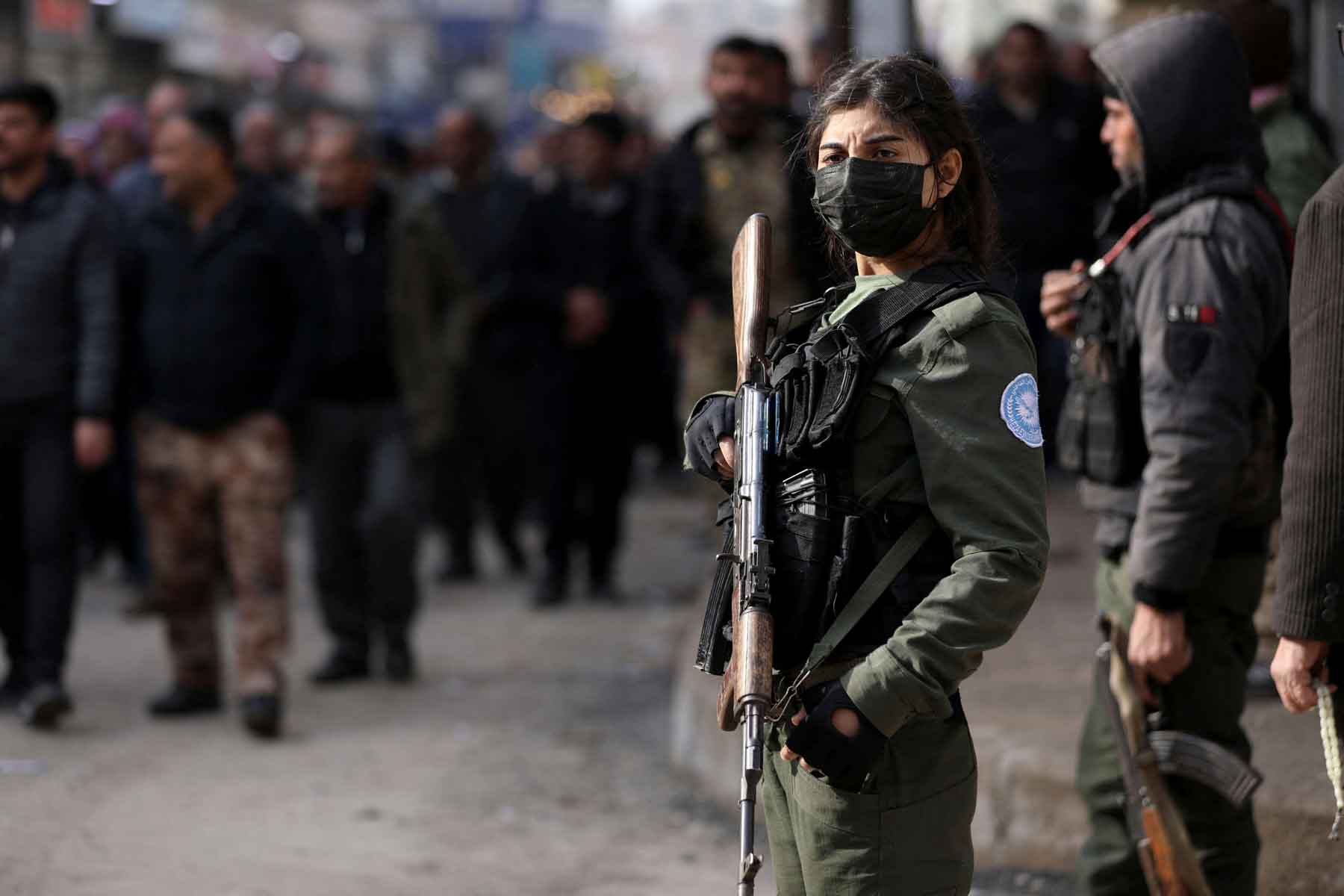
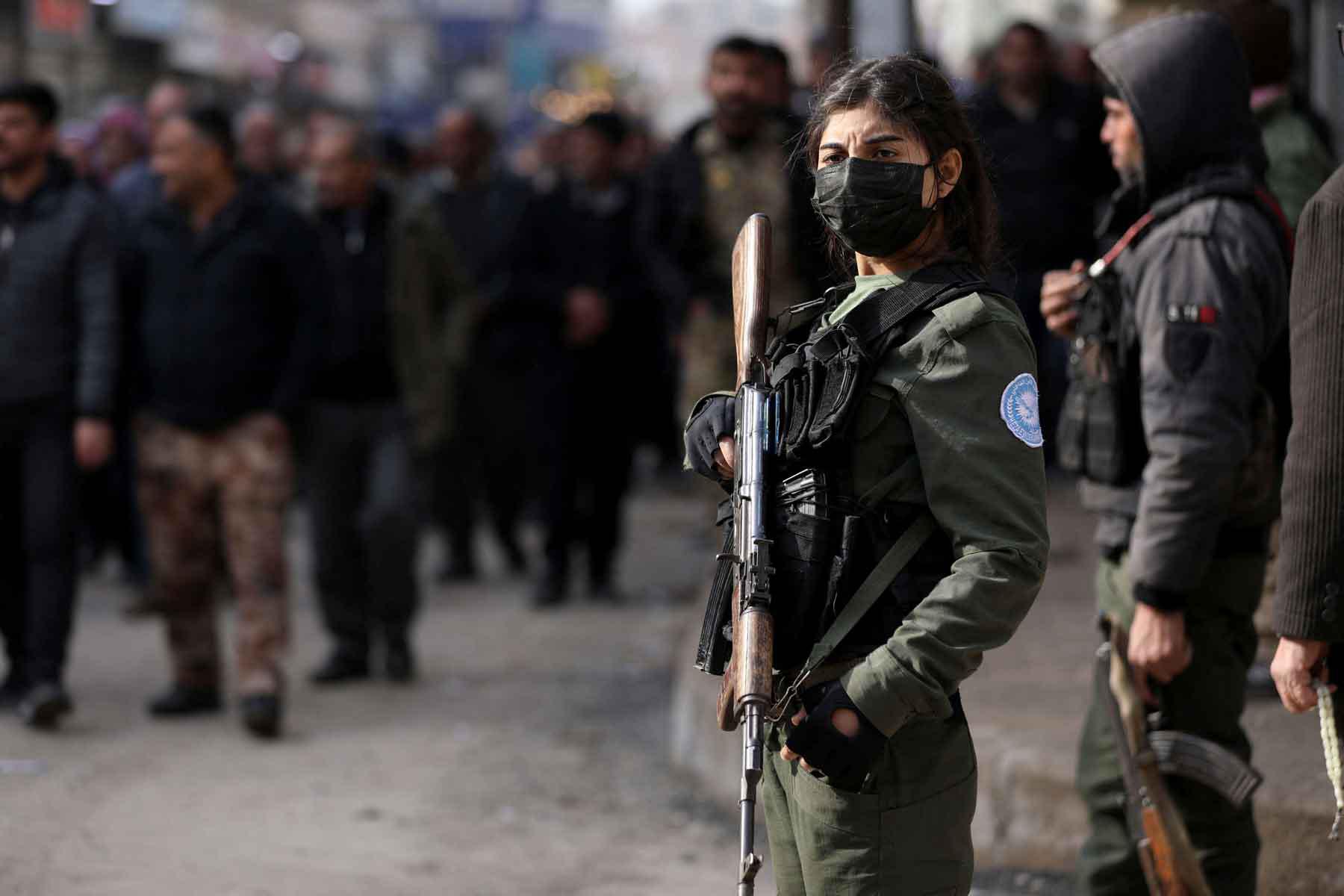
On Wednesday, residents fled the predominantly Kurdish districts of Sheikh Maqsud and Ashrafieh after the Syrian army declared them “closed military zones,” citing ongoing hostilities with SDF units.
The army announced the opening of two designated humanitarian corridors to facilitate civilian evacuations, but families were seen leaving the neighbourhoods in tears, carrying their belongings amid escalating violence.
The fighting, which erupted on Tuesday, represents the deadliest confrontation between the two sides since a March agreement aimed at integrating the Kurds’ semi-autonomous administration and military forces into Syria’s new Islamist-led government. Nine people, mostly civilians, were reported killed in the initial clashes, with both Damascus and the Kurdish authorities blaming each other for instigating the violence.
In a statement, the Syrian army said: “All Syrian Democratic Forces military positions within the Sheikh Maqsud and Ashrafieh neighbourhoods of Aleppo are legitimate military targets,” signalling a hardening stance against the Kurdish-led force. Meanwhile, Ilham Ahmed, a senior Kurdish official, condemned the assault as a “genocidal war” against the Kurds and urged the government to resolve disputes through dialogue rather than force.
The violence has severely disrupted daily life in Aleppo, prompting the closure of schools, universities, government offices and the suspension of flights to and from Aleppo International Airport. Residents such as Joud Serjian, a 53-year-old living in the Syriac Quarter, described the scenes as a grim return to the wartime realities of previous years, recalling the brutal battles that engulfed the city before the Assad regime regained control in 2016.
Abdul Karim Omar, representing the Kurdish administration in Damascus, described the Kurdish-majority neighbourhoods as “completely besieged” and rejected accusations that the SDF had fired shells, insisting that the Asayish domestic security forces in the areas possess only light weapons. Despite an agreement in April for SDF withdrawals, Sheikh Maqsud and Ashrafieh remain under Kurdish control.
The SDF, which maintains authority over Syria’s oil-rich north and northeast with backing from the US-led coalition, played a pivotal role in defeating the Islamic State in 2019. The March integration deal was intended to be fully implemented by the end of 2025, but tensions over governance, autonomy and decentralisation continue to stymie progress. The Kurds advocate for decentralised rule, a model rejected by Syria’s new authorities, leaving the region at a crossroads.
Analysts warn that the collapse of the truce in Aleppo could mark the start of a broader confrontation between Damascus and Kurdish forces, potentially destabilising the tenuous regional balance and complicating international efforts to contain ongoing conflict in northern Syria. The current crisis underscores the deep fractures within the country’s political landscape and highlights the fragility of ceasefire agreements in a city scarred by years of civil war.