

A nation trapped in war
Sudan denies rejecting US peace paper as army presses offensive
In a statement, Sudan's Foreign Ministry described remarks made by Boulos before the UN Security Council on Friday as "inaccurate."
Sunday 28/06/2026
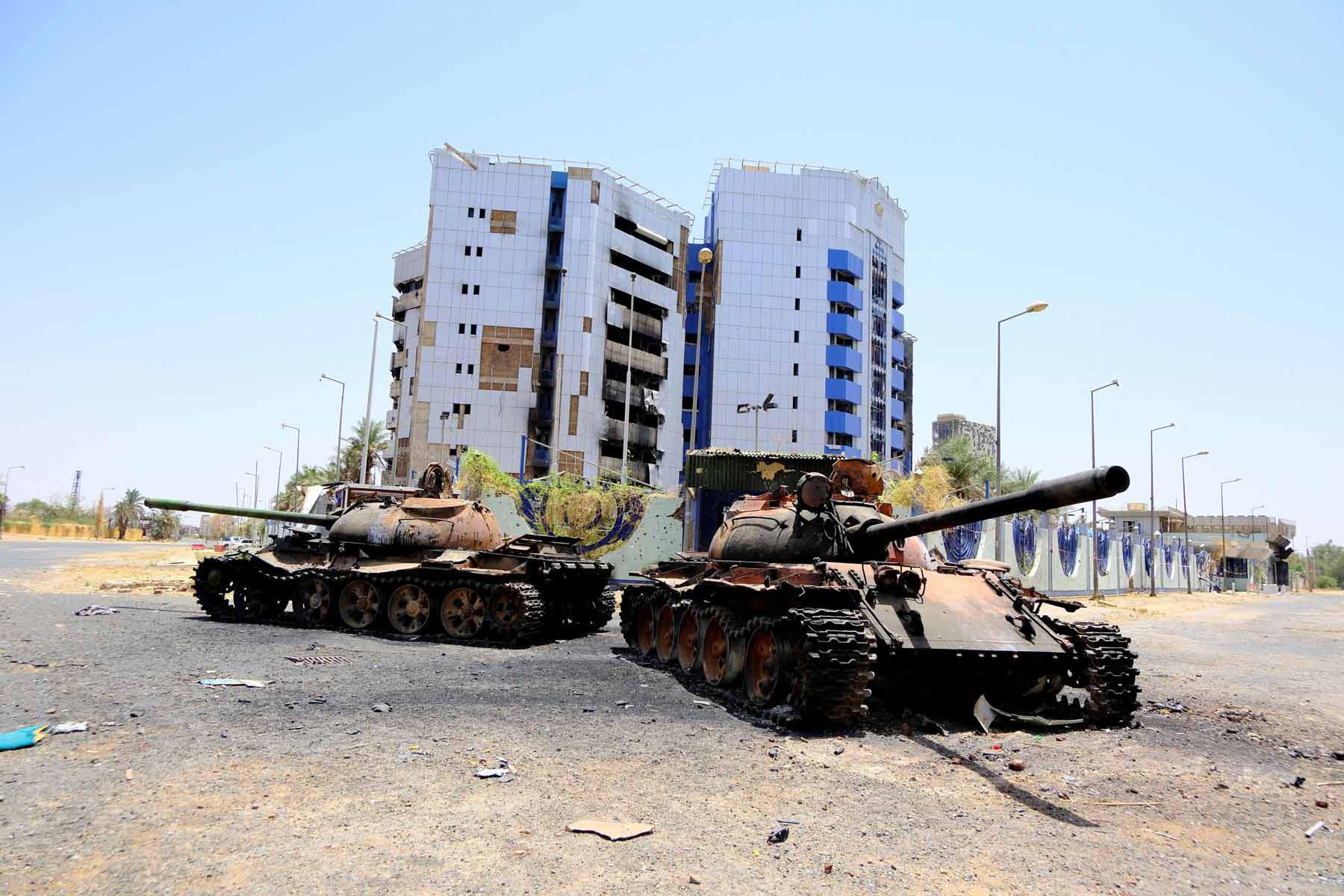
A nation trapped in war
KHARTOUM – Sudan on Saturday rejected comments by US Presidential Adviser for Arab and African Affairs Massad Boulos that the country's Transitional Sovereign Council had refused an American proposal aimed at ending the war, as relations between Khartoum and Washington remain under severe strain over the Sudanese military leadership's insistence on pursuing a battlefield victory rather than a negotiated settlement.
In a statement, Sudan's Foreign Ministry described remarks made by Boulos before the UN Security Council on Friday as "inaccurate" and said they "do not reflect the positions consistently adopted by the Government of Sudan and its various institutions, including the Transitional Sovereign Council."
The ministry was responding to Boulos' assertion that Sudan's leadership had rejected a US paper outlining efforts to end the conflict, as Washington increases diplomatic pressure on both sides, particularly the Sudanese army, to embrace a political settlement.
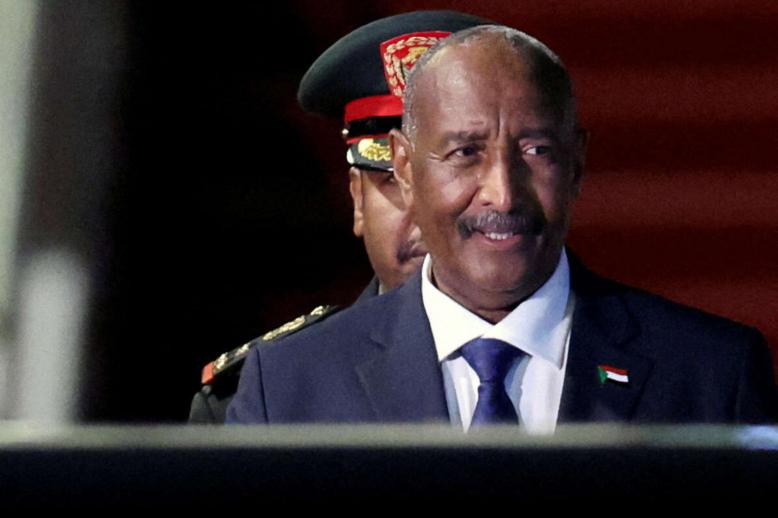
The dispute comes despite recent remarks by Sovereign Council chief General Abdel Fattah al-Burhan, who reaffirmed his commitment to a military solution against the paramilitary Rapid Support Forces (RSF), saying the conflict leaves no room for "compromise or grey solutions" and insisting the war can only end through the defeat and disarmament of the RSF.
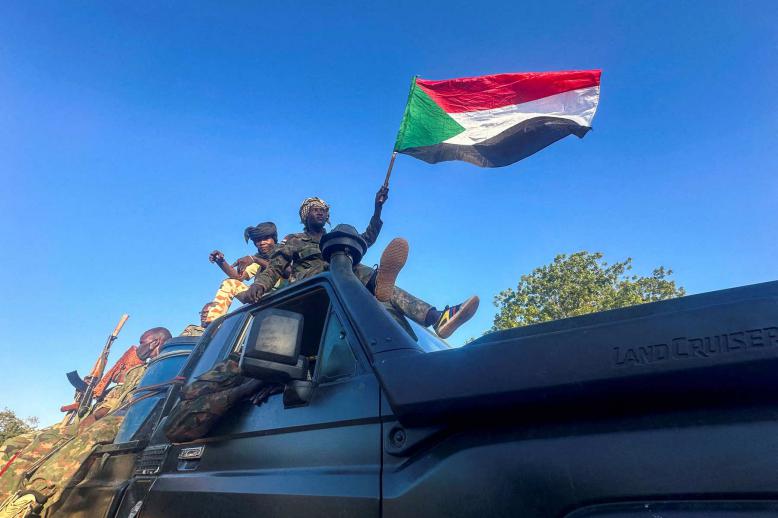
The Sudanese army has continued to translate that strategy into battlefield operations. On Saturday, the Joint Force of armed movements allied with the military announced it had seized the strategic town of Abu Qamra in North Darfur after fierce fighting with RSF forces.
In a statement, the Joint Force said it had, "side by side with the Sudanese Armed Forces and the Popular Resistance (volunteers)," fully captured Abu Qamra following battles that lasted from the early hours of the morning until the evening.
It said the operation inflicted "heavy losses in lives and equipment" on the RSF, including the destruction and burning of several combat vehicles and the capture of others, while RSF fighters fled the area. Videos circulated on social media appeared to show Joint Force fighters inside the town.
Despite the continuing military escalation, the Foreign Ministry insisted Khartoum had consistently engaged "positively and responsibly" with initiatives aimed at ending the conflict.
It said the government signed the Jeddah Declaration on May 11, 2023, accepted several humanitarian ceasefires under the agreement, and later submitted an initiative to the UN Security Council on December 22, 2025, aimed at protecting civilians, restoring security and creating conditions for ending the war.
The ministry added that Sudan had also responded "constructively" to the US proposal referenced by Boulos, providing "a detailed response" as part of ongoing consultations with Washington.
It said the government's actions reflected Sudan's openness to efforts that could help achieve peace and meet the aspirations of the Sudanese people.
However, the ministry argued that any serious peace initiative must address what it described as the root causes of the conflict, foremost among them ending "the foreign supply of weapons and mercenaries to the rebel militia" and halting the political and diplomatic backing that, it said, allows the RSF to continue military operations and attacks on civilians.
Khartoum also urged the international community and regional actors to deal "realistically and objectively" with developments in Sudan, describing the conflict as "foreign-sponsored aggression targeting the Sudanese state and people" through the use of armed groups.
For months, the United States and Saudi Arabia, through the Quartet mechanism that also includes Egypt and the United Arab Emirates, have sought to broker a humanitarian ceasefire and revive negotiations.
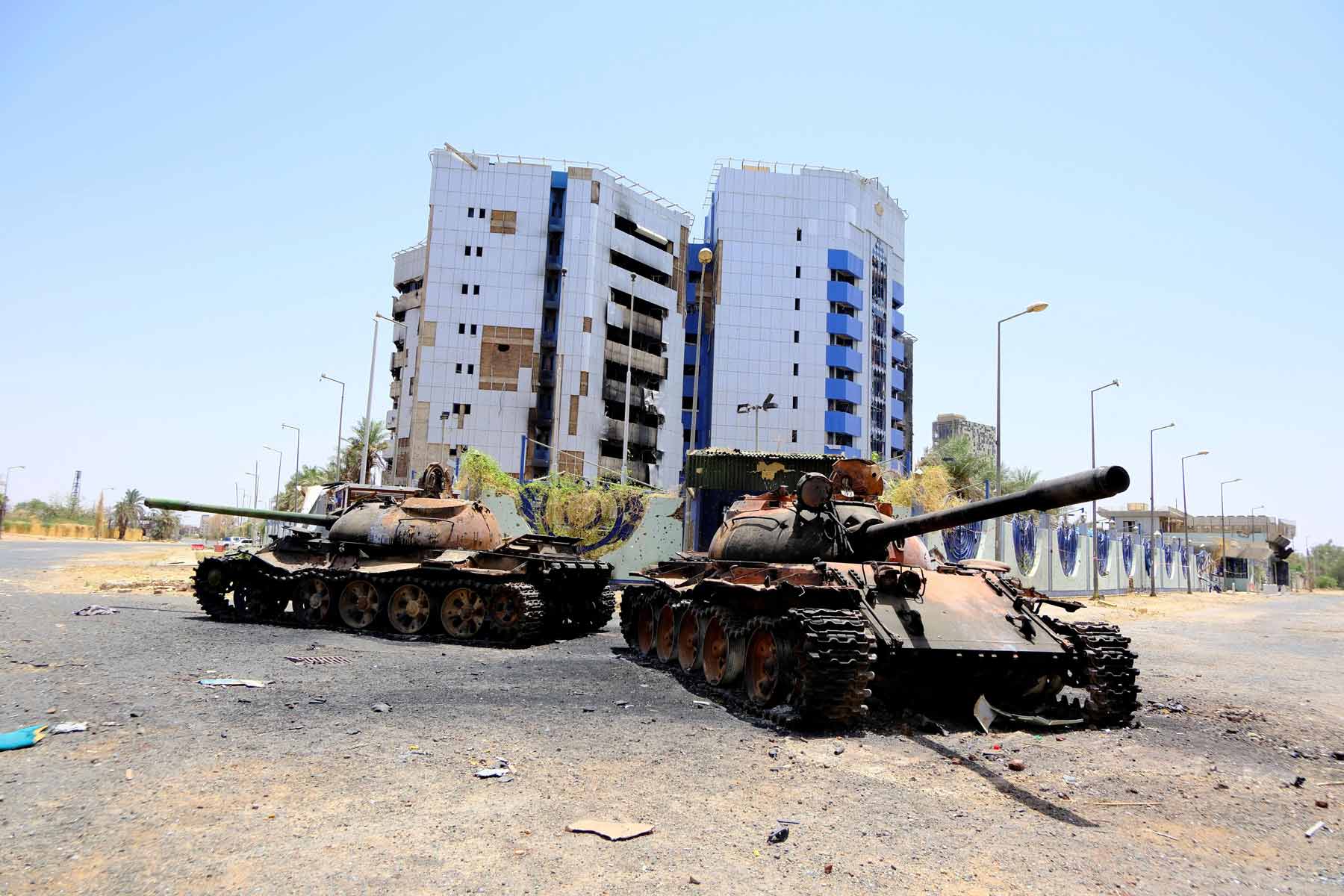
Washington has stepped up political and diplomatic pressure on both the army and the RSF in recent months, arguing that neither side can secure a decisive military victory and warning that continued fighting will only deepen the humanitarian crisis and prolong the conflict, which erupted in April 2023.
US officials have repeatedly maintained that there is no military solution to the crisis, urging the Sudanese army to show greater flexibility and engage seriously in regional and international peace initiatives, particularly the Saudi-US sponsored Jeddah talks.
The United States has also imposed sanctions on individuals and entities linked to both sides of the conflict, saying the measures target those obstructing peace efforts or involved in abuses and are intended to push Sudan's military leaders towards negotiations.