

A prolonged funding crisis could trigger social unrest
From Sudani to Zaidi, the Kurdistan salary dilemma endures
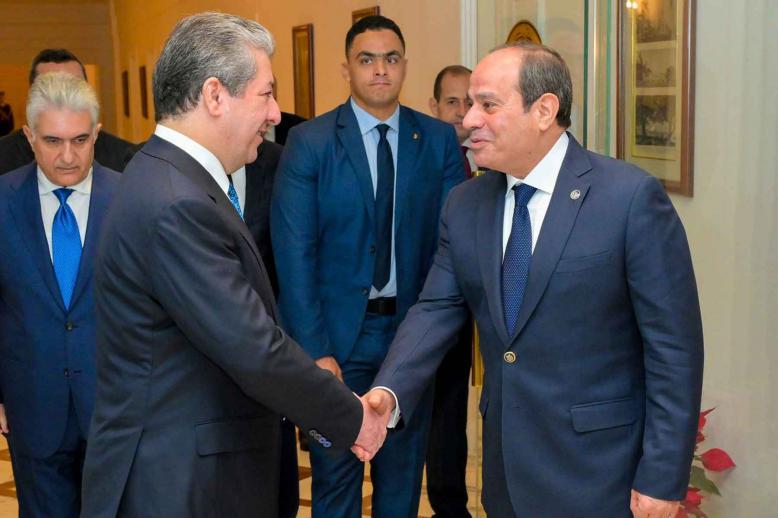
Prime Minister Ali al-Zaidi recently sought to ease tensions during talks with KRG Prime Minister Masrour Barzani.
Wednesday 10/06/2026
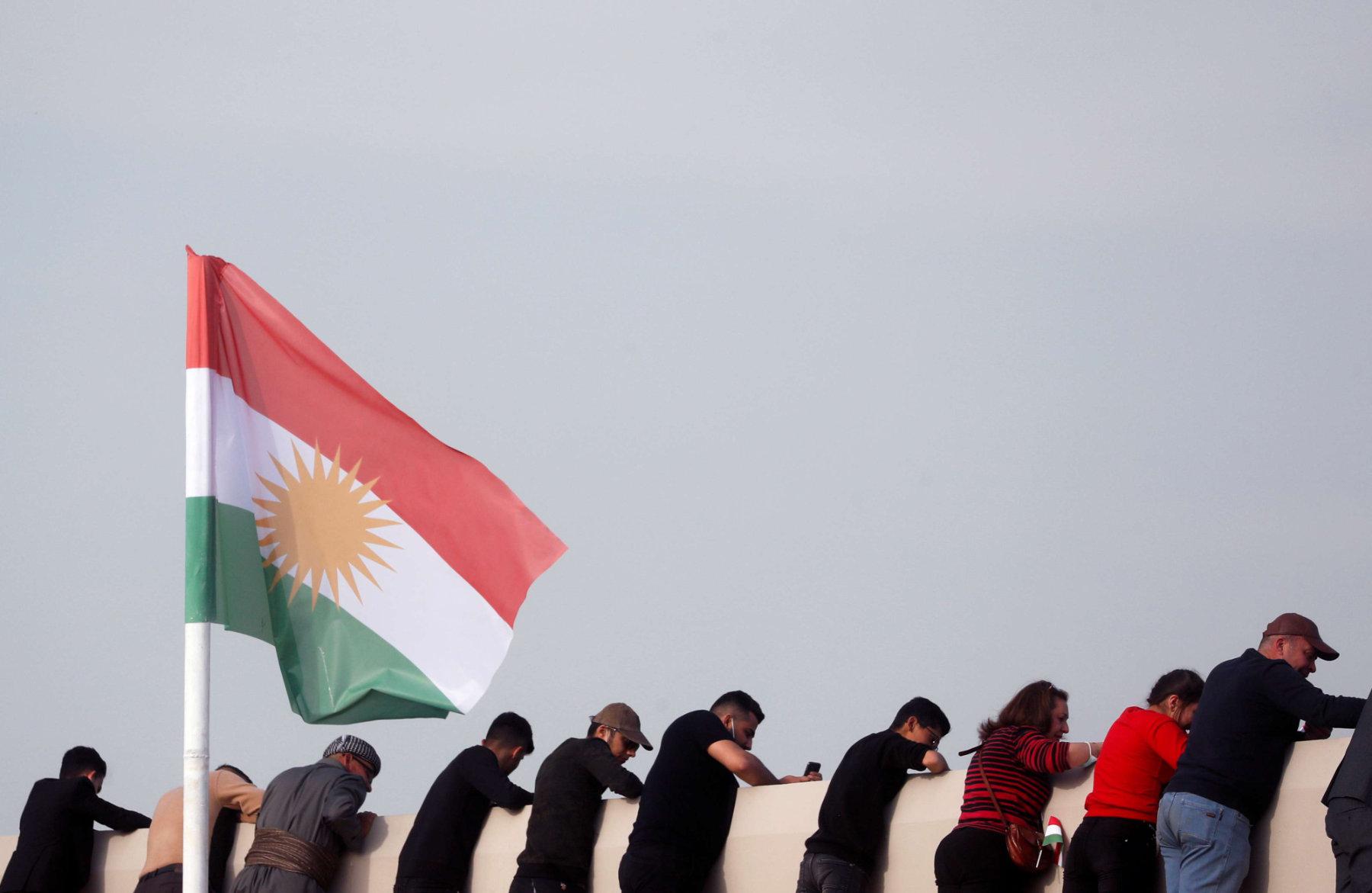
A prolonged funding crisis could trigger social unrest
BAGHDAD – A renewed dispute between Baghdad and the Kurdistan Region over salary payments has highlighted longstanding tensions at the heart of Iraq's federal system, with both sides accusing the other of violating legal and financial obligations as political mistrust deepens.
The latest confrontation erupted after First Deputy Speaker of Parliament Adnan Faihan called on the federal government to halt financial transfers to the Kurdistan Regional Government (KRG) until outstanding revenue disputes are settled.
Faihan argued that previous governments had violated budget legislation by continuing to fund salaries in the region despite what he described as Erbil's failure to transfer agreed non-oil revenues to the federal treasury.
"The federal government paid salaries for the region's employees for five months of 2025, while the regional government did not deliver any non-oil revenues," he said, warning that further transfers without a full settlement could expose the government to legal accountability.
His remarks drew an immediate backlash from Kurdish officials and lawmakers, who insisted that salary payments are constitutional rights and should not be used as leverage in political disputes.
Deputy Speaker Farhad Atroshi rejected attempts to link salaries to broader disagreements between Baghdad and Erbil.
"Salaries are a red line and not a tool for offsetting accounts or political pressure," Atroshi said, citing a ruling by Iraq's Federal Supreme Court that separated salary payments from political and financial disputes.
The KRG's Ministry of Finance and Economy also issued a strongly worded response, describing Faihan's proposal as "surprising and astonishing" and arguing that the region had complied with all obligations under Iraq's Financial Administration Law and Federal Budget Law.
The ministry said the region had continued transferring revenues to Baghdad, including 50 billion dinars (about $39 million) in non-oil revenues in May alone. It accused the federal Finance Ministry of deducting 70 billion dinars from salary allocations despite declining regional revenues.
Long-running dispute
The dispute is the latest chapter in a conflict that dates back more than a decade.
In 2014, Baghdad suspended transfers of the Kurdistan Region's share of the federal budget after disagreements over independent Kurdish oil exports. In response, the KRG began exporting crude independently through Turkey in order to fund salaries and public services.
Tensions intensified again in March 2023 after an international arbitration ruling halted Kurdish oil exports through Turkey's Ceyhan terminal, depriving the region of one of its main sources of income.
Since then, Baghdad has increasingly linked salary transfers to the delivery of oil and non-oil revenues, often describing funds sent to the region as temporary advances rather than regular budget allocations.
According to KRG figures, the Kurdistan Region was allocated 58.3 trillion dinars under Iraq's 2023-2025 federal budget framework but received only 24.3 trillion dinars, roughly 41 percent of its entitlement.
Salary shortfalls have continued into 2026. Kurdish authorities reported deductions from both salary and pension funding, while warning that delays were increasing economic hardship across the region.
Political struggle beyond finances
While the immediate dispute centres on budget transfers and revenue-sharing, many analysts view it as part of a wider struggle over the balance of power between Iraq's federal government and the autonomous Kurdistan Region.
Baghdad argues that greater transparency is required regarding oil sales, customs revenues, taxes and payroll figures. Federal officials contend that continuing transfers without stronger oversight would effectively institutionalise parallel financial systems within the Iraqi state.
Erbil, meanwhile, argues that it is being subjected to political pressure and selective treatment not applied to other provinces.
The dispute also intersects with broader political rivalries. Kurdish leaders have long accused influential Shiite parties and Iran-aligned factions of seeking to curb the region's autonomy, while those groups frequently criticise Erbil's close security and political ties with Washington and Western governments.
Since 2003, the Kurdistan Region has maintained extensive self-governing powers, including its own security institutions, administrative structures and economic policies. That autonomy has often clashed with efforts by successive governments in Baghdad to strengthen federal authority.
Fragile compromises
Despite recurring confrontations, neither side appears willing to push the dispute to breaking point.
Federal authorities recognise that a prolonged funding crisis could trigger social unrest in the region and further destabilise Iraq's already fragile political landscape. Kurdish leaders, meanwhile, remain dependent on federal budget transfers following the suspension of oil exports.
Prime Minister Ali al-Zaidi, succeeding Mohammed Shia al-Sudani, recently sought to ease tensions during talks with KRG Prime Minister Masrour Barzani, reportedly instructing the federal Finance Ministry to ensure salary funding is released regularly and without discrimination.
Yet fundamental disagreements remain unresolved, including disputes over oil exports, revenue-sharing, border management and the future distribution of powers within Iraq's federal system.
As a result, the salary dispute increasingly symbolises a broader constitutional struggle over Iraq's future governance model. Without a comprehensive settlement, analysts warn that periodic crises between Baghdad and Erbil are likely to continue, reinforcing uncertainty over the durability of Iraq's federal arrangements and the relationship between the centre and the Kurdistan Region.