

Questions over the ethical responsibilities of artists
Sulaf Fawakherji’s Fajr triumph sparks controversy over Iranian ties
Critics accuse Fawakherji of attempting to polish the image of a regime embroiled in widespread popular protests and violent repression.
Thursday 12/02/2026
Questions over the ethical responsibilities of artists
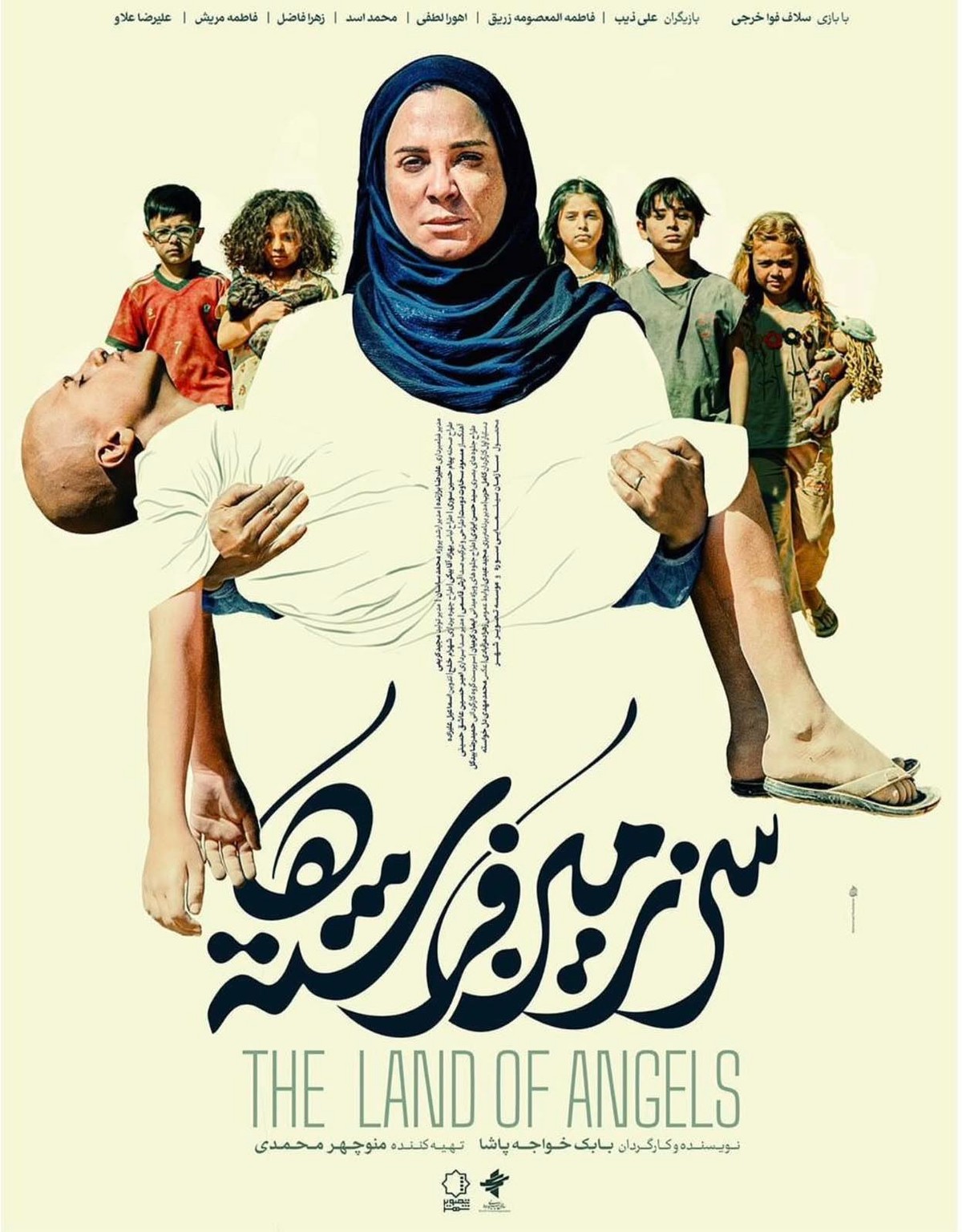
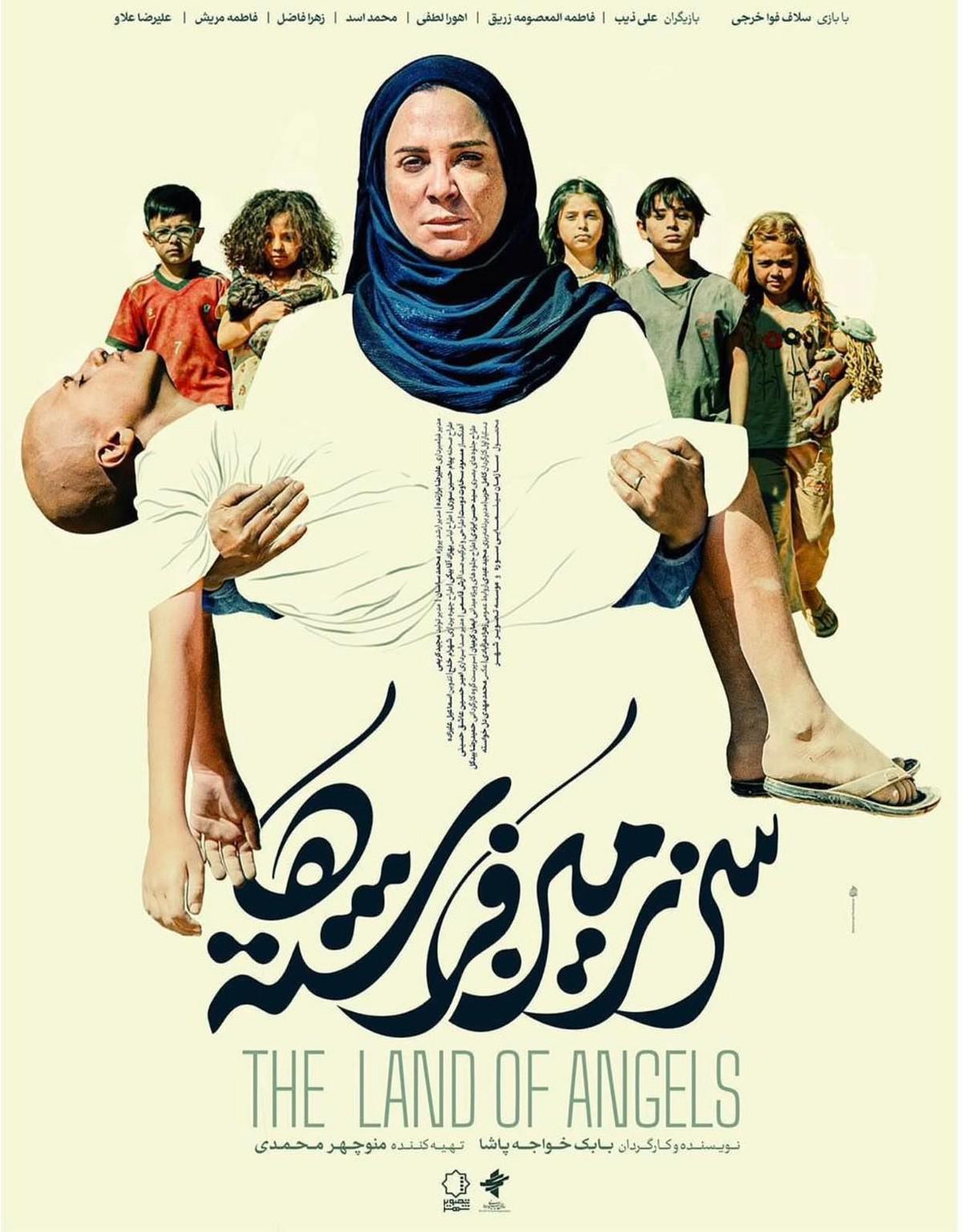
DAMASCUS – Syrian actress Sulaf Fawakherji was awarded the Crystal Simorgh for Best Actress at the 44th Fajr International Film Festival in Tehran for her role in the Iranian film “Land of the Angels” (Sarzemin-e Fereshteha), becoming the first Arab and non-Iranian performer in the festival’s history to receive this prestigious accolade.
The award, considered the festival’s highest honour for filmmakers, celebrates Fawakherji’s performance in a film that presents a humanitarian vision of children’s suffering in war zones, including in Gaza and Syria. Yet her victory has provoked intense debate in Syria, with critics accusing her of attempting to polish the image of a regime embroiled in widespread popular protests and violent repression. Iranian actresses themselves, including Naz Shakerdoust, had previously refused awards at the festival, citing the political climate, making Fawakherji’s acceptance especially controversial.
Fawakherji thanked the Fajr Festival for the honour, describing the award as a combination of aesthetic excellence and humanitarian recognition. However, social media erupted with sharply divided reactions. While some congratulated her and hailed the recognition as deserved, others condemned her, recalling her past support for the Assad regime and her public praise of Iran’s role in Syrian affairs. Critics argue that her artistic performance cannot be disentangled from her political stance, framing her remarks as a provocative endorsement of a government accused of widespread human rights abuses.
The debate has become highly politicised in the current context, particularly as Iranian prisons remain filled with women and young people opposing the regime. Observers drew comparisons between Fawakherji and Iranian actresses who rejected the festival, highlighting a moral dimension: external praise for a regime that others within its own artistic community refuse to celebrate creates ethical tension. Critics argue that those accustomed to supporting authorities accused of crimes against their own people are likely to replicate this alignment with other regimes accused of similar abuses.
Some commentators also questioned her references to Gaza, interpreting them as politically loaded, particularly in light of her continued defence of Bashar al-Assad. Others, however, congratulated Fawakherji, praising her talent and long-standing career in Arab drama and cinema.
“Land of the Angels” offers a deeply human perspective on the experiences of children in war zones. Directed and written by Babak Khajehbasha and produced by Manouchehr Mohammadi, the film follows a group of children who have lost families and homes, stripped of basic childhood rights, and the woman who creates a symbolic refuge, “Land of the Angels,” to protect them psychologically and emotionally amidst chaos.
The film does not rely on shocking imagery but instead emphasises emotional depth, silence, and the children’s expressive gazes to convey the scale of loss. It portrays hope itself as an act of resistance and underscores the imperative of preserving childhood even in the most harrowing circumstances.
Fawakherji expressed joy at participating in the film, calling it “a dream realised” and praising Iranian cinema as “a cinema with a teachable methodology and an inexplicable magic.” She is among the most prominent stars of Arab drama and cinema, with a diverse career beginning in the late 1990s, including early recognition through the film Naseem al-Rouh.
In recent years, Fawakherji has faced criticism from segments of the Syrian public who perceive her as defending the Assad regime.
In April 2025, she was expelled from the Syrian Actors’ Union over statements considered denial of Assad-era crimes and disregard for the suffering of the Syrian people. She had asserted that “Assad lived a simple life and represented political stability in the country,” while insisting that “the problem is not the ruler but a divided people.”
Her Fajr Festival triumph thus arrives at a fraught intersection of art, humanitarian storytelling, and political controversy, raising questions in Syria over the ethical responsibilities of artists and the inseparability of art and politics in times of conflict.