

Shifting alliances
Syrian tribes between shifting loyalties and the collapse of political partnership: A critical reading in the context of Rojava
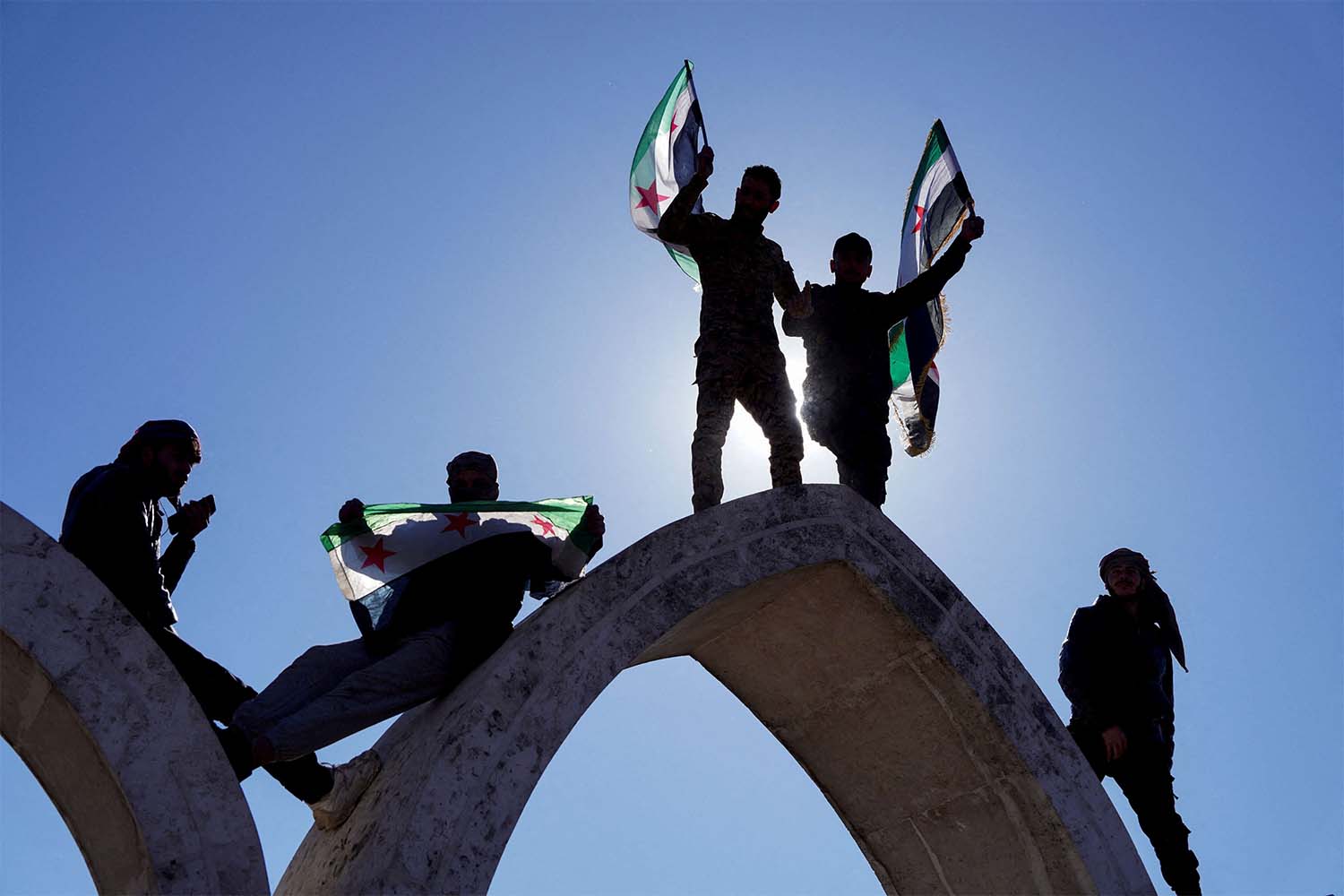
In the governorates of Raqqa and Deir ez-Zor, segments of well-known tribes such as al-Akidat, al-Baggara, and al-Jubour became involved in fluctuating alliances depending on the dominant force on the ground.
Monday 26/01/2026
Shifting alliances
The role of Arab tribes in Syria has never been stable nor grounded in a clear political vision. Historically, it has been characterized by pragmatism and adaptation to shifting power balances. With the outbreak of the Syrian war, this trait shifted from a social survival mechanism into an opportunistic political pattern that contributed to deepening chaos and prolonging violence—particularly in ethnically sensitive regions such as Rojava (North and East Syria).
In the governorates of Raqqa and Deir ez-Zor, segments of well-known tribes such as al-Akidat, al-Baggara, and al-Jubour became involved in fluctuating alliances depending on the dominant force on the ground. During the expansion of the so-called “Islamic State” (2014–2017), some tribal leaders provided the group with social cover, either through public pledges of allegiance or enforced silence, in exchange for maintaining local influence or avoiding persecution. This phase witnessed documented tribal participation in local administrative structures imposed by ISIS, before these same actors turned against the organization as its military power declined.
Following the defeat of ISIS, these tribes shifted their allegiance to the Syrian Democratic Forces (SDF), not as political partners, but as the new authority capable of imposing security. Although the SDF adopted a policy of containment and integration—incorporating tribal members into civil and military councils, such as the Deir ez-Zor Civil Council—this inclusion did not translate into stable political loyalty.
Recent events, including the withdrawal of certain tribal formations or their open sympathy with armed factions hostile to the Kurds in the countryside of al-Hasakah, Manbij, and the surroundings of Ain Issa, have exposed the fragility of these alliances. More dangerously, this reversal coincided with violations against Kurdish civilians, raising profound moral and political questions about the meaning of partnership and its limits.
The core problem here does not lie with “the tribes” as a social component, nor with “Arabs” as a national identity, but rather with specific tribal elites who chose to shift loyalties as a survival strategy—even at the cost of civilian blood and the stability of local communities.
From this perspective, repeatedly calling for coexistence without a critical review of these behaviors merely reproduces the crisis instead of resolving it. Political partnership cannot be built on short memory, nor on ignoring recurring patterns of betrayal.
The humanity of the Kurds - historically demonstrated by their willingness to open the door to partnership even with those who have betrayed them - represents a high moral value. Yet it cannot remain a substitute for political awareness grounded in accountability.
Humanity without political memory is exhausted, and coexistence without clear rules becomes a burden borne by the victim alone.