


Divergent approaches underline the lack of complete unity within the Shia camp
Trump’s Maliki remarks trigger backlash in Iraq, revive US leverage fears
The crisis has laid bare deeper fissures within the Shia poltical camp itself: over relations with the US, the extent of alignment with Iran and the cost of confronting Washington.
Thursday 29/01/2026
Divergent approaches underline the lack of complete unity within the Shia camp
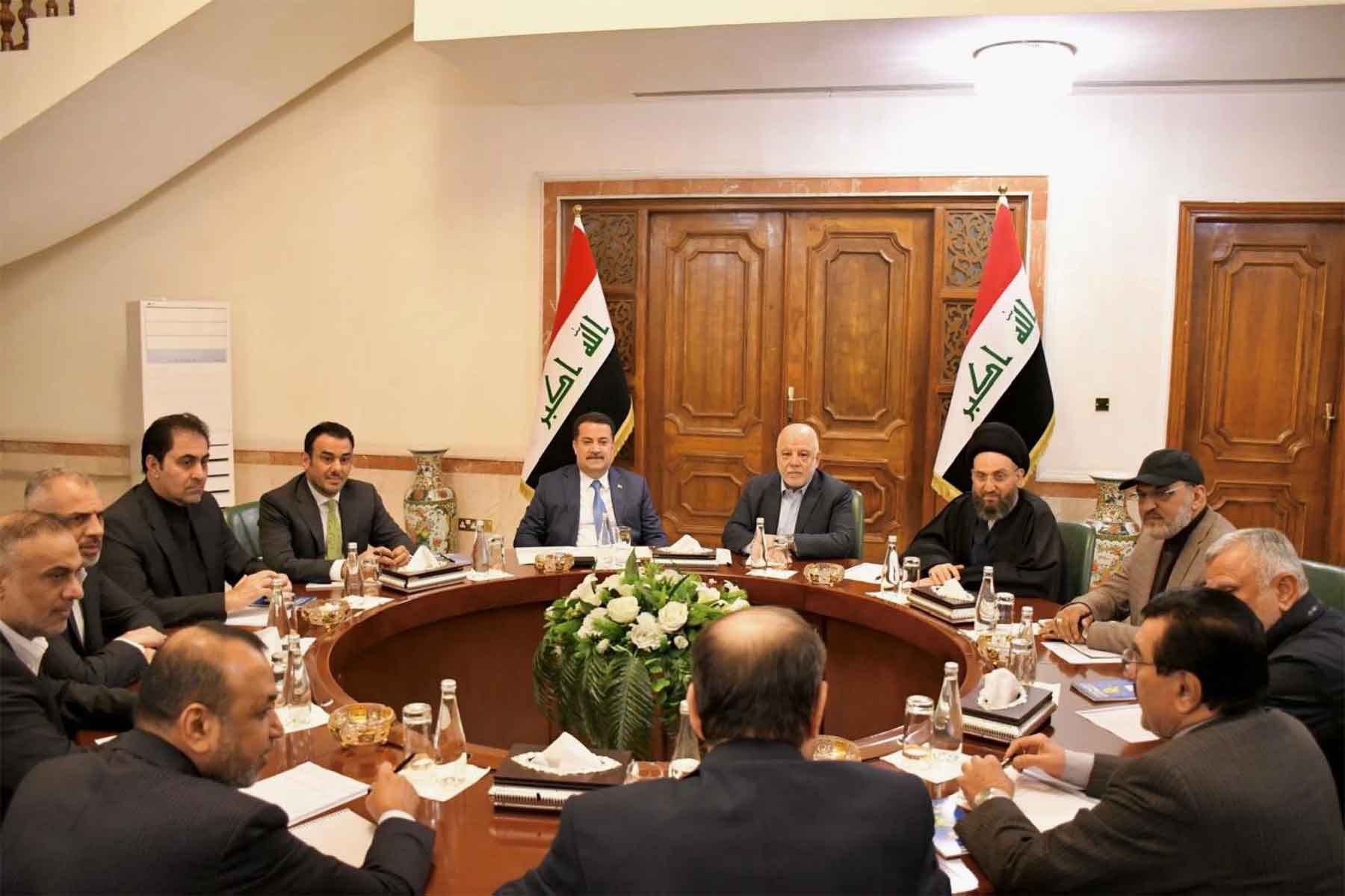
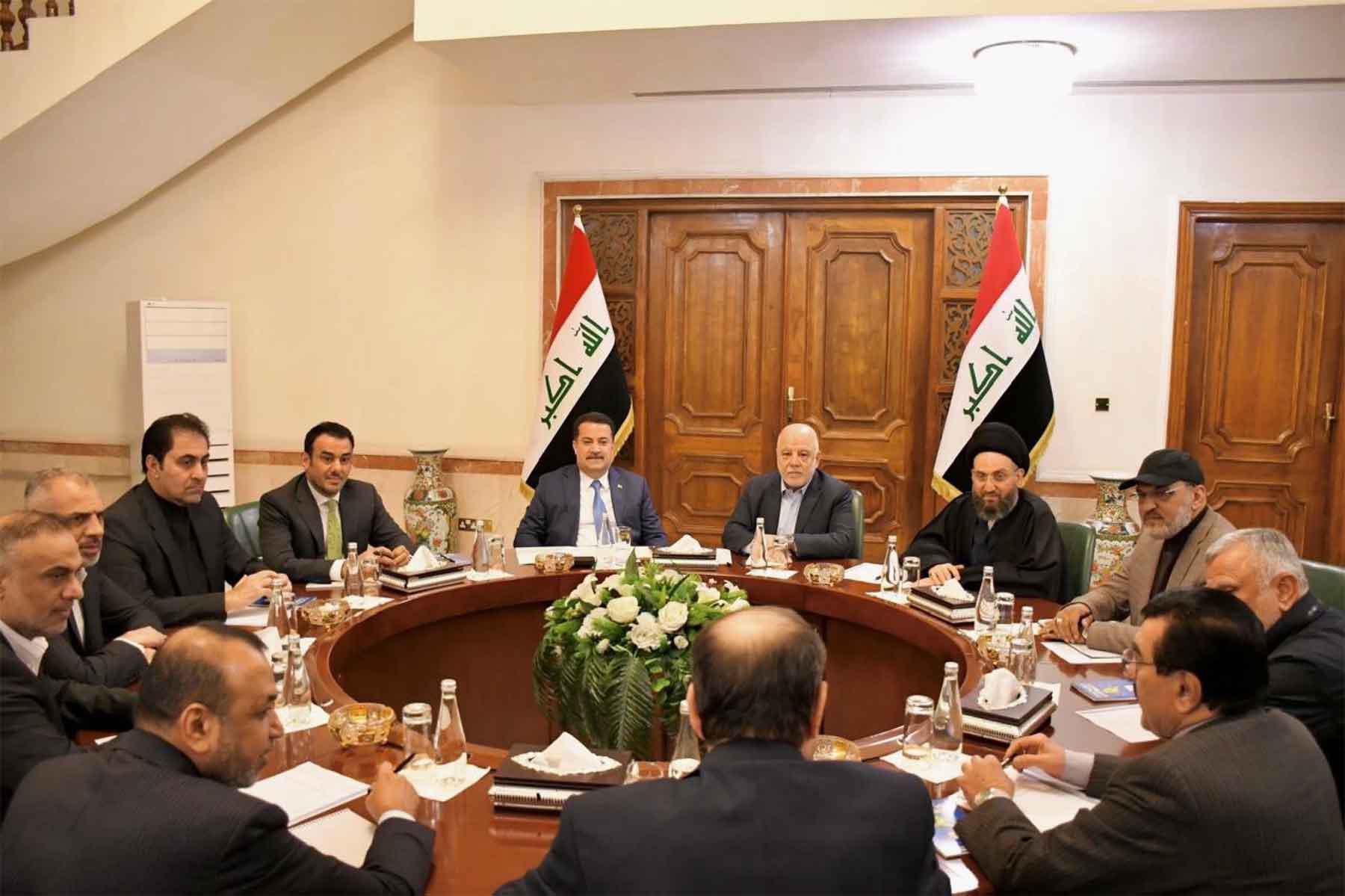
BAGHDAD – Iraq’s powerful Shia Coordination Framework, an alliance of Iran-aligned parties and militias in Iraq, is preparing a unified political response after comments by US President Donald Trump rejecting the return of former prime minister Nuri al-Maliki to office, remarks that have reignited a fierce debate over foreign interference, sovereignty and the fragile balance shaping the country’s next government.
Parliamentary sources said the Coordination Framework is expected to hold a key meeting in the coming days to assess the political and economic implications of Trump’s statements. The aim, they said, is to agree a single position reflecting what the bloc views as a direct attempt to influence Iraq’s internal political process.
The controversy erupted after Trump publicly opposed Maliki’s bid for a third term, warning that his return “should not be allowed” and hinting at the possibility of suspending US support for Iraq. The remarks sent shockwaves through Baghdad’s political scene, drawing swift reactions from Shia factions and pushing Iraq back into the spotlight of the long-running tug of war between Washington and Tehran.
MP Mukhtar al-Moussawi of the Coordination Framework said Trump’s comments could not be dismissed as a passing opinion, describing them as a clear effort to shape Iraq’s political trajectory from abroad. He stressed that the selection of a prime minister was a constitutional entitlement determined by the largest parliamentary bloc, and not subject to external “guardianship or diktats.”
“The upcoming meeting will not be symbolic,” Moussawi told the Baghdad Today website. “It will examine the substance of the American statements in depth and will lead to a unified official declaration issued in the name of all Framework components.”
According to Moussawi, the statement is expected to outline the bloc’s rejection of any foreign interference while attempting to calibrate its response in light of Iraq’s complex regional and international entanglements. He acknowledged that the United States retains significant leverage, particularly on the economic front, citing the sensitive issue of oil revenues and dollar transfers.
Iraq’s dependence on the US-controlled financial system has long been a source of vulnerability. A previous report by Time magazine highlighted Trump’s threats to “cut off aid” to Iraq, noting that the pressure would likely come not through direct assistance, but via financial and monetary tools. Iraqi oil revenues are deposited at the US Federal Reserve before being transferred to Baghdad, meaning any restrictions could severely disrupt the state’s ability to meet domestic and external obligations.
At the same time, the magazine reported that Washington had formally told Baghdad that choosing a prime minister is a sovereign Iraqi matter, while reserving the right to determine how it engages with any future government.
Within Iraq, Shia reactions have combined defiance with unease. The Islamic Dawa Party, a core component of the Coordination Framework, warned against any internal divisions, arguing that hesitation or disunity could expose the country to dangerous instability. In a statement, the party evoked memories of bombings, assassinations and security breakdowns, a clear reference to periods of turmoil many Iraqis fear could return if political tensions spiral.
Beyond Maliki’s candidacy, however, the crisis has laid bare deeper fissures within the Shia political camp itself: over relations with the United States, the extent of alignment with Iran, and the cost of confronting Washington at a moment of acute economic fragility.
In his post on the Truth Social platform, Trump went further than rejecting Maliki’s nomination, accusing him of presiding over Iraq’s slide “into poverty and total chaos.” While such rhetoric revived longstanding accusations of US political tutelage, it also resonated with sections of Iraqi society that associate Maliki’s years in power with sectarianism, corruption and deepening divisions.
Maliki responded by categorically rejecting what he described as “blatant American interference,” reaffirming his intention to run with the backing of the Coordination Framework. His insistence is widely seen as a calculated gamble, rooted in the belief that regional tensions have increased Tehran’s need for reliable levers of influence inside Iraq amid mounting US pressure.
Hardline voices within the Framework have adopted an even sharper tone. Abu Alaa al-Walai, a prominent figure close to armed factions, likened the US stance to an attempted “political assassination” of Maliki, language that echoes the discourse of groups aligned with Iran’s so-called “axis of resistance” and frames the dispute as a battle over national dignity and sovereignty.
Other Shia actors have struck a more cautious note. The Islamic Supreme Council of Iraq stressed that the prime minister’s selection is an Iraqi constitutional matter, while calling for balanced relations with the international community based on mutual respect. The position reflects concern over the potentially high price of an open confrontation with Washington, particularly if it translates into financial isolation or economic shock.
Despite the shared rhetoric rejecting US interference, these divergent approaches underline the lack of complete unity within the Shia camp. Some see confronting Washington as a political necessity, while others fear international isolation and a renewed economic crisis.
As Iraq navigates this fraught moment, the stakes extend far beyond the identity of the next prime minister. Should the Coordination Framework push ahead with a candidate who provokes both domestic and international controversy, the country could face a multi-layered crisis, threatening political stability, economic resilience and the fragile security gains achieved in recent years.
Between mounting external pressure and unresolved internal rivalries, Iraq now stands at a sensitive crossroads, with the outcome of the Framework’s anticipated meeting likely to shape not only the formation of the next government, but the country’s wider trajectory amid intensifying regional rivalries.