

A focus on combating extremism
UAE appoints envoy to strengthen global fight against terrorism
The appointment reflects Abu Dhabi’s determination to play an active role in global efforts to counter extremism and violent ideologies.
Friday 09/01/2026
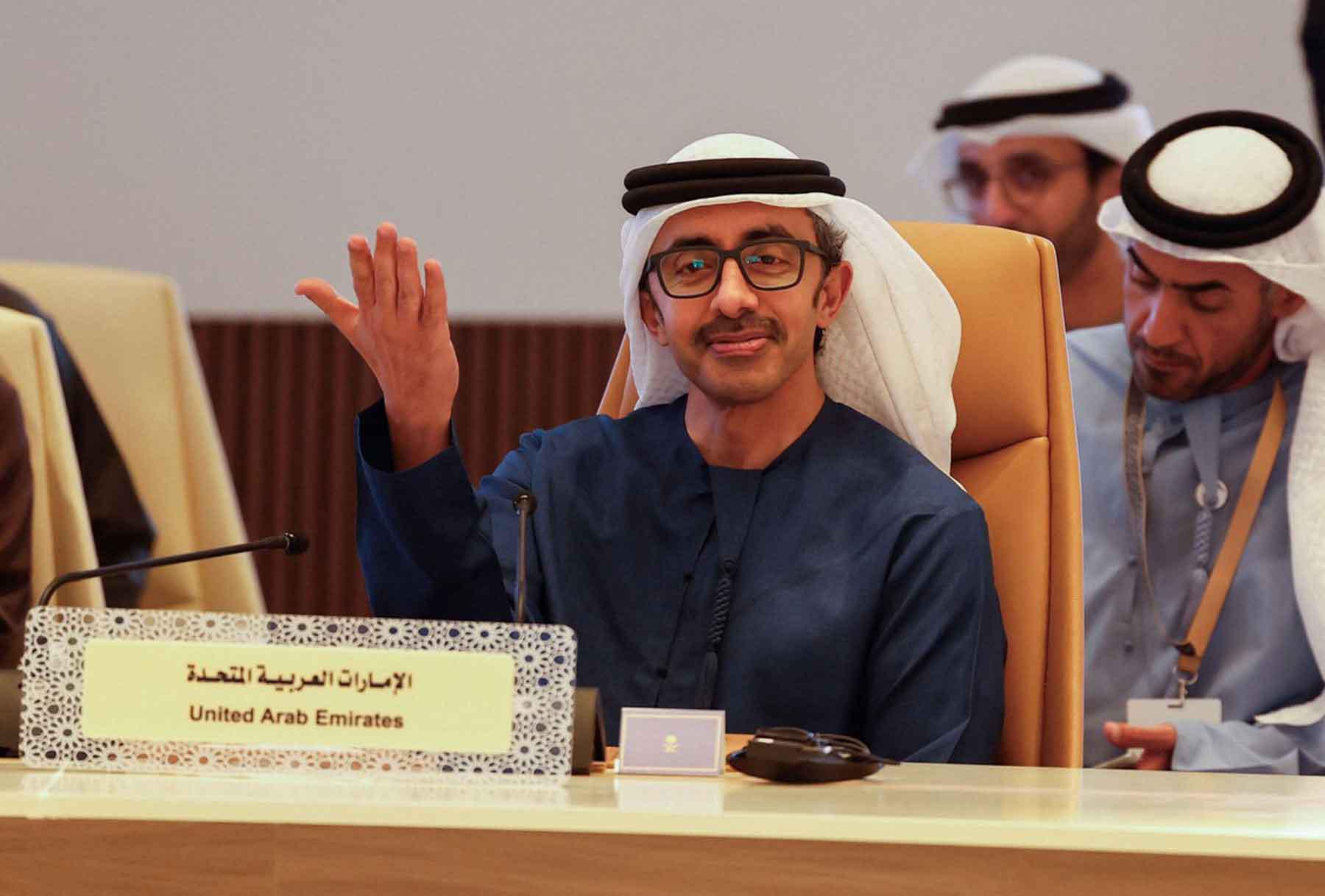
A focus on combating extremism
ABU DHABI –
The United Arab Emirates appointed a dedicated Envoy to the Minister of Foreign Affairs for Countering Extremism and Terrorism, highlighting the Gulf state’s strategic commitment to tackling ideologies that have fuelled conflicts and sectarian violence across the region and the world, while simultaneously promoting tolerance and openness.
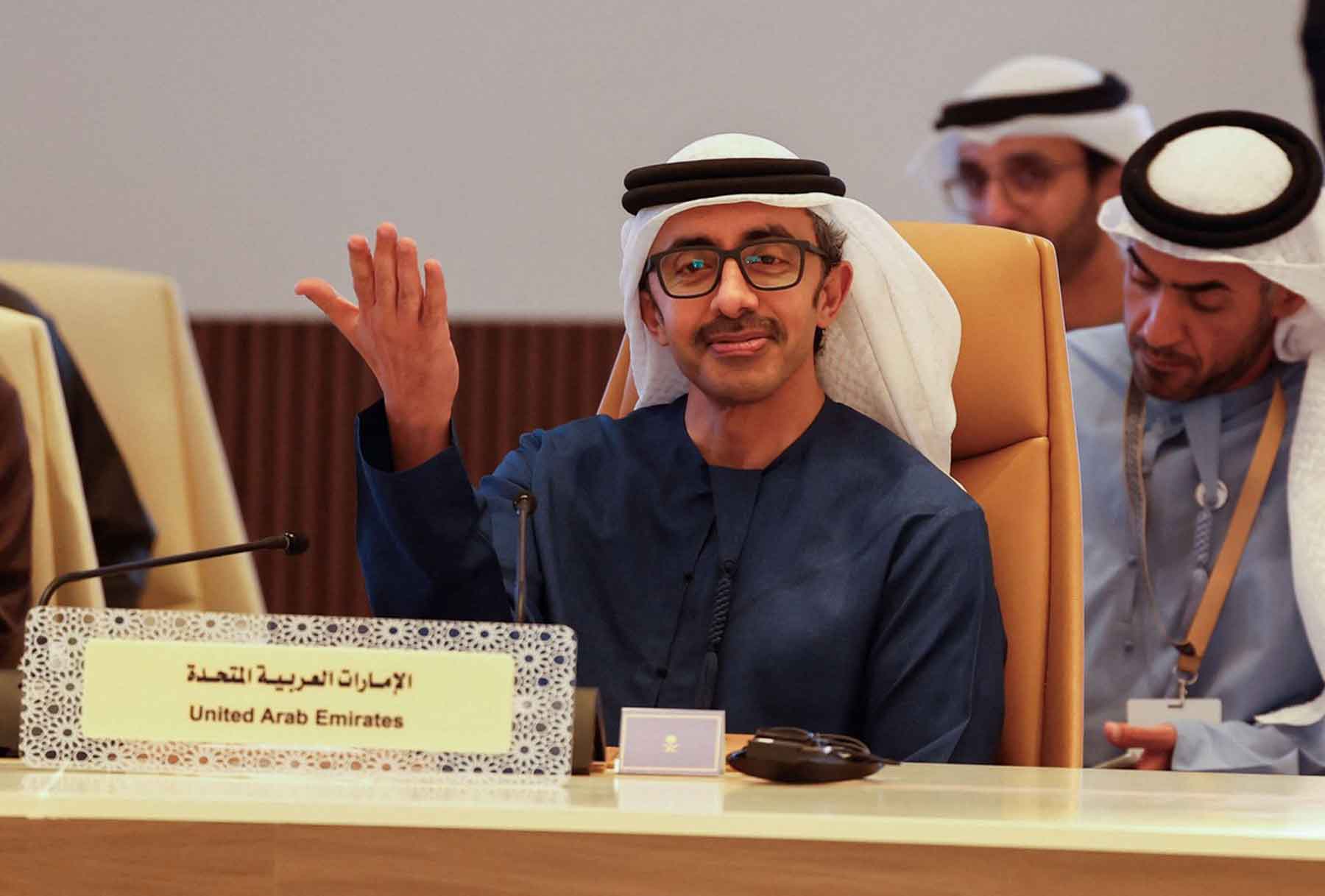
In an official statement, the UAE Ministry of Foreign Affairs announced that Deputy Prime Minister and Minister of Foreign Affairs Sheikh Abdullah bin Zayed Al Nahyan had appointed Maqsoud Kruse as the Ministerial Envoy for Countering Extremism and Terrorism. The statement emphasised that the appointment reflects Abu Dhabi’s determination to play an active role in global efforts to counter extremism and violent ideologies.
In his new role, Kruse will lead initiatives to support the UAE’s efforts by strengthening international partnerships, representing the country at regional and global conferences and forums, and monitoring international resolutions, particularly those of the United Nations Security Council, related to countering terrorism. He expressed his commitment to working closely with international partners, sharing the UAE’s pioneering approach, and exchanging expertise and best practices to reinforce global counter-extremism efforts.
The UAE has emerged as a global model for addressing extremism and terrorism through a comprehensive strategy that combines legal measures, intellectual engagement, cultural openness and the promotion of tolerance and coexistence. Over recent years, Abu Dhabi has positioned itself as a leading international hub for countering extremist ideologies and addressing the root causes of radicalisation, not only domestically but across the region and globally.
The Emirati approach recognises that terrorism cannot be defeated through security measures alone. Long-term ideological and cultural interventions are essential. Accordingly, the UAE has developed a national strategy focusing on prevention through education, youth empowerment, promotion of moderate religious discourse, and the reinforcement of family and community roles in protecting individuals from radicalisation.
The country hosts a number of leading international centres dedicated to countering violent extremism, including the Hedayah Centre, which serves as a global platform for training, research, and the exchange of expertise in extremism prevention. Innovative initiatives also target online radicalisation, recognising the dangers posed by extremist groups exploiting social media to recruit youth and disseminate hate-filled narratives.
UAE efforts extend beyond intellectual and security dimensions to legal frameworks. The country has enacted strict legislation criminalising terrorism and its financing, while preventing the misuse of religious or charitable institutions for extremist purposes. The UAE also fully adheres to international agreements and collaborates closely with the United Nations and international partners to strengthen cross-border counter-terrorism measures.
Parallel to these security and legal measures, the UAE has prioritised promoting a culture of tolerance and coexistence, viewed as the first line of defence against extremism. The government has established a dedicated ministry to instil values of tolerance and mutual respect and launched a national programme promoting acceptance of diversity in a society comprising over 200 nationalities living in harmony. Symbolic initiatives, such as the Abrahamic Family House, a complex housing a mosque, church and synagogue, reflect the UAE’s commitment to interfaith dialogue and its message that religions can be bridges for understanding rather than instruments of conflict. The country has also championed international initiatives, including hosting and supporting the Human Fraternity Document, which calls for the renunciation of violence and the promotion of mercy, justice and coexistence.
On the international stage, Abu Dhabi continues to play an active role in conferences and global forums addressing extremism and violent terrorism, sharing its experience as a successful model of achieving security and stability without compromising pluralism and openness. These efforts have been widely recognised by international institutions, highlighting the UAE as a practical example of balancing safety with respect for human values.
Ultimately, the UAE’s experience demonstrates that combating extremism is not a temporary task but a long-term civilisational endeavour. By investing in human capital, fostering awareness, promoting tolerance, upholding the law, and engaging in international cooperation, the country has positioned itself as a trusted partner in global peace-building and a leading voice advocating moderation and the rejection of hatred, values urgently needed in today’s world.