

Steady progress
UAE cements position as global economic powerhouse in 2025
The UAE approved its largest-ever federal budget for 2026 at $25 billion, underscoring the country’s ambitions for sustained growth.
Friday 19/12/2025
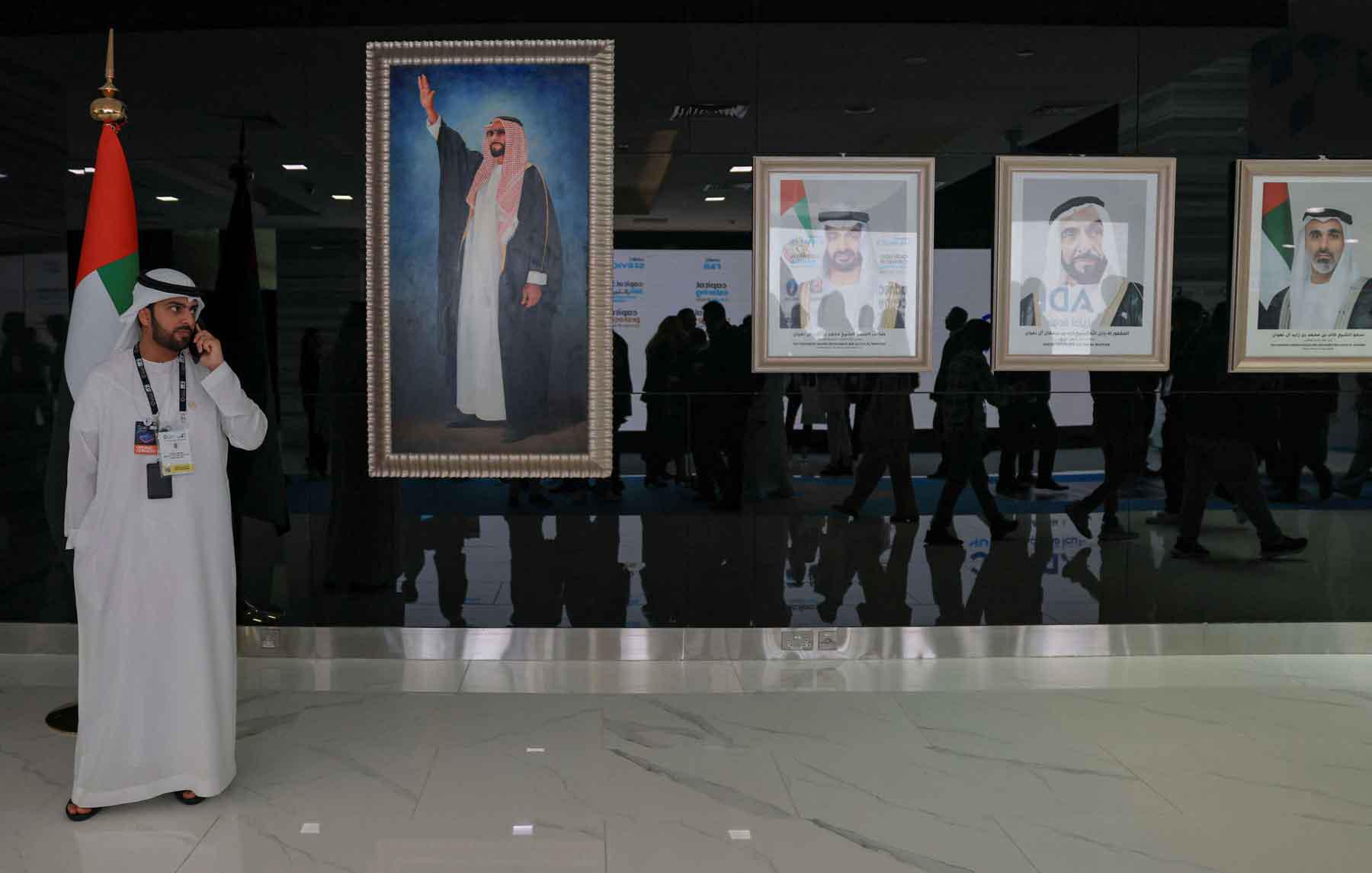
Steady progress
ABU DHABI –
The United Arab Emirates solidified its position in 2025 as one of the world’s fastest-growing economies, propelled by a surge in non-oil sectors, strong foreign and domestic investment and a regulatory environment designed to attract business.
Non-oil foreign trade jumped 24.5 percent in the first half of the year to AED1.7 trillion ($459 billion), nearly 14 times the pace of global growth. The UN Conference on Trade and Development (UNCTAD) ranked the UAE 10th globally for inbound foreign direct investment in 2024, totalling AED167.6 billion ($45 billion).
The International Monetary Fund raised its growth forecast for the UAE in 2025 to 4.8 percent, while Fitch, Moody’s and S&P Global affirmed the country’s sovereign ratings, citing robust economic performance and sound fiscal management.
Central Bank of the UAE data showed gross bank assets reached $1.4 trillion by the end of September, with gross credit rising to $672 billion. The bank also launched the UAE National Financial Inclusion Strategy 2026–2030, aimed at expanding access to financial services and strengthening economic resilience.
Real GDP grew 4.2 percent year-on-year to $251 billion in the first half of 2025, with non-oil sectors expanding 5.7 percent to $194 billion, representing 77.5 percent of total economic activity. Oil contributed the remaining 22.5 percent.
The UAE approved its largest-ever federal budget for 2026 at $25 billion, underscoring the country’s ambitions for sustained growth. Industrial development was also bolstered, with the Ministry of Industry and Advanced Technology signing five memoranda of understanding with national banks to provide over $11 billion in financing. The “Make it in the Emirates” platform concluded its fourth edition with industrial projects exceeding $3 billion and record participation of over 122,000 visitors.
The cabinet endorsed the National Investment Strategy 2031, outlining 12 programmes and 30 initiatives to boost annual foreign investment inflows from $30 billion in 2023 to $65 billionby 2031, while increasing the country’s total foreign investment stock from $216 billion to $595 billion. A National Investment Fund with initial capital of $10 billion was also established.
In addition, the UAE launched the Strategy for Islamic Finance and Halal Industry, reinforcing its status as a global hub. Entrepreneurial initiatives included the "UAE Future 50" programme across 15 sectors, aiming to train and incubate 10,000 entrepreneurs, while more than 220,000 new companies were registered between January and November. New trademarks surged over 36,000, up 48.2 percent on the previous year, with total registered trademarks reaching 402,311 by September, nearly 20,000 of them in the first half alone, a 129 percent increase year-on-year.
The UAE also expanded its global trade footprint through comprehensive economic partnerships and launched the "UAE Global Centre of Trade" programme, designed to connect the world’s top 1,000 trading companies and thousands of exporters to international markets.
Analysts said the figures demonstrate the UAE’s strategic focus on diversifying its economy, reinforcing its position as a trade gateway and nurturing a robust ecosystem for investment, industry and entrepreneurship.