

Fresh push for Libya's reunification
US, Libya expand security ties as Washington pushes unity plan
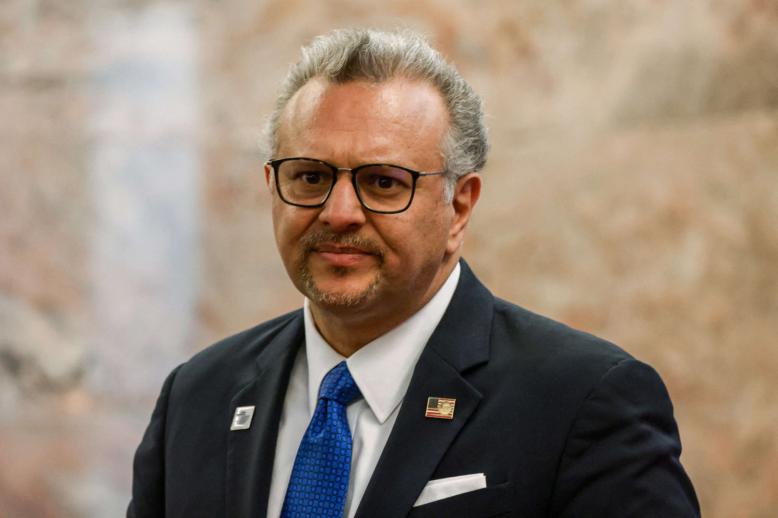
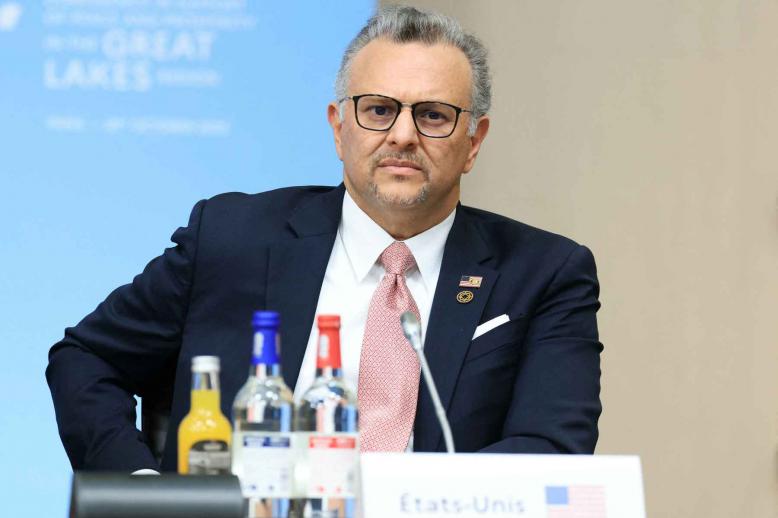
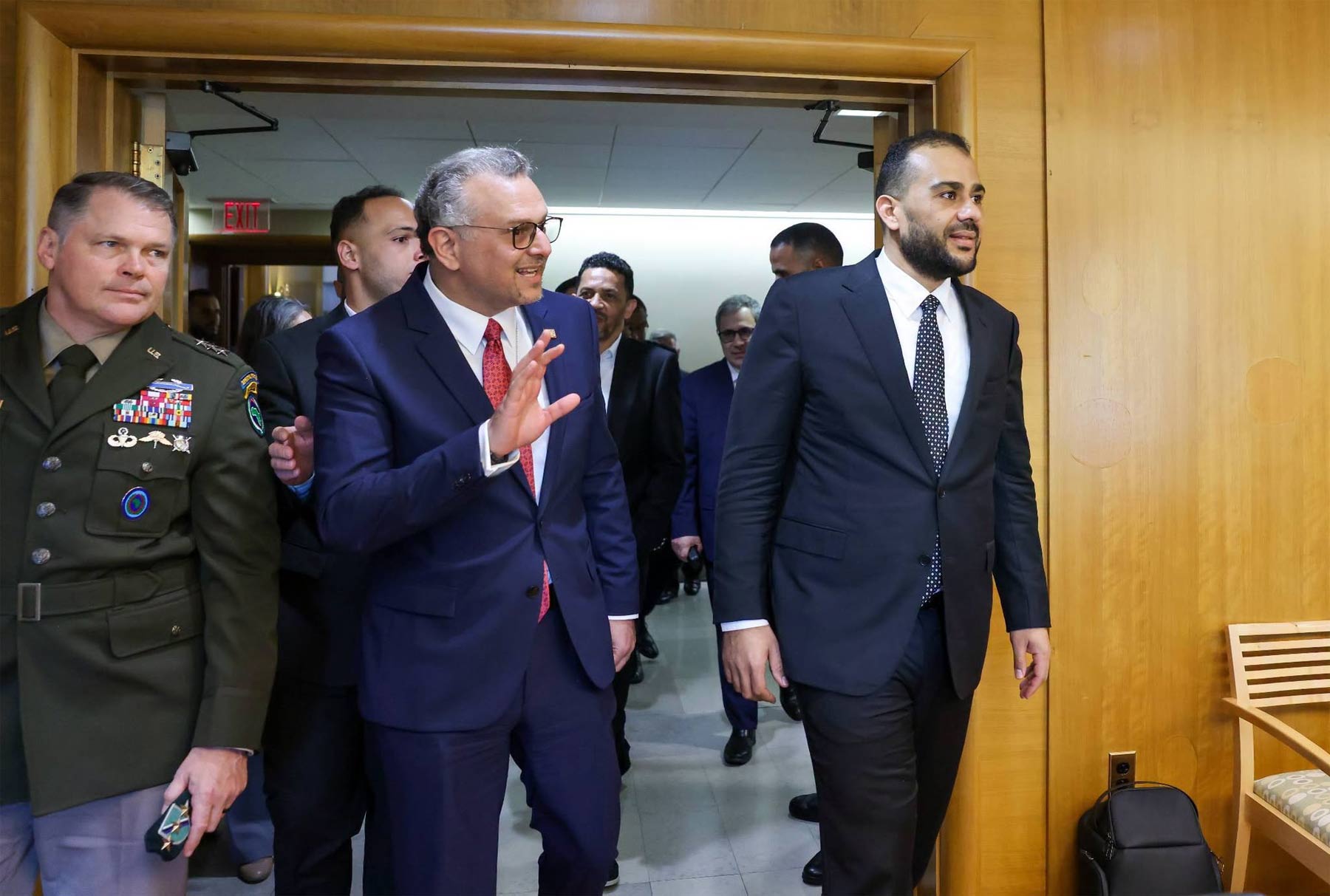
Deputy Defence Minister Abdul Salam al-Zoubi met in Washington President Donald Trump's senior adviser for Arab and Middle East affairs, Massad Boulos.
Friday 26/06/2026
Fresh push for Libya's reunification
TRIPOLI/WASHINGTON – Libya's Government of National Unity (GNU) and the United States have stepped up discussions on unifying the country's divided military and expanding bilateral security cooperation, as Washington intensifies efforts to broker a unified government capable of ending years of political and institutional fragmentation.
The GNU said Deputy Defence Minister Abdul Salam al-Zoubi met on Thursday in Washington President Donald Trump's senior adviser for Arab and Middle East affairs, Massad Boulos, and the deputy commander of the US Africa Command (AFRICOM), Lieutenant General John W. Brennan, at the US State Department.
According to the Libyan government, the talks focused on mechanisms to support efforts to unify Libya's military establishment, strengthen the strategic military and security partnership between Tripoli and Washington, and explore opportunities to broaden bilateral cooperation.
The two sides also discussed enhancing coordination in counter-terrorism, border security and tackling cross-border threats, describing closer cooperation as essential to supporting Libya's stability and strengthening regional security.
Both parties stressed the importance of maintaining coordination and consultation between the military and security institutions of the two countries to support the creation of professional and unified defence and security institutions capable of protecting Libya's sovereignty and extending security and stability across the country.
The meetings formed part of Zoubi's visit to the United States, during which he is holding a series of discussions with senior officials in the US administration and military and security institutions on expanding cooperation in areas of mutual interest.
Following the meeting, Boulos said on X, "Good meeting with Libyan Deputy Minister of Defense Abdulsalam al-Zubi. I am also pleased that Deputy Minister al-Zoubi had the opportunity to meet with National Security Council Senior Director for the Middle East and Africa, Wayne Wall."
He added, "We discussed continued efforts to strengthen Libya's security institutions and build on the recent progress toward unifying the country's military, economic, and political institutions. Continued cooperation on security sector integration will help create the conditions for unified governance, lasting stability, and successful national elections."
Boulos also reaffirmed Washington's backing for the political process, saying: "The United States remains committed to supporting an inclusive, Libyan-led unification effort that complements the roadmap of SRSG Hanna Tetteh and UNSMIL."
The Washington talks come as the United States presses ahead with a broader initiative aimed at ending Libya's political division.
Earlier this month, Boulos revealed that the proposed roadmap for the next phase centres on a power-sharing arrangement between Libya's rival factions through the formation of a unified government bringing together all major parties, as part of international efforts to end years of institutional fragmentation.
According to reports circulating in Libya, the US proposal would merge the Government of National Unity led by Abdulhamid Dbeibah with the eastern administration appointed by the House of Representatives and headed by Osama Hammad. Under the reported framework, Dbeibah would remain prime minister while a new Presidential Council would be headed by Saddam Haftar, deputy commander of the eastern-based Libyan National Army.
The initiative has received support from the leadership of the eastern armed forces, which has expressed readiness to enter negotiations with the Government of National Unity. Dozens of members of parliament have also backed the efforts being led by Trump's adviser.
Libya's military remains divided between forces loyal to eastern commander Khalifa Haftar and western-based units aligned with the Government of National Unity. Efforts to unify the armed forces have been taking place under UN auspices through the Joint Military Commission (5+5), which brings together five senior officers from each side.
The country itself remains split between two rival administrations. The internationally recognised Government of National Unity, headed by Dbeibah, is based in Tripoli and controls western Libya, while the eastern-based government led by Hammad, appointed by the House of Representatives in early 2022, administers eastern Libya and much of the south from Benghazi.
For years, the UN Support Mission in Libya (UNSMIL) has sought to guide the country towards presidential and parliamentary elections intended to resolve the rivalry between the competing governments and bring an end to the prolonged transitional period that has persisted since the 2011 uprising.